
Preventive Maintenance is one of the most effective ways for business owners to reduce unexpected problems, avoid expensive repairs, and keep their properties operating safely. Many companies only take action when a system stops working or a serious issue affects daily operations, but waiting until something breaks can lead to downtime, security risks, and unnecessary expenses.
For commercial properties, regular inspections and maintenance routines help identify small issues before they become major failures. From entrances and access systems to essential equipment and building components, every part of a property requires attention to ensure reliable performance over time.
Business owners and property managers often have to balance multiple responsibilities, including customer service, employee safety, operations, and cost management. A preventive approach allows them to protect their investment, improve efficiency, and maintain a safer environment without dealing with unexpected interruptions.
Understanding what to inspect, how often maintenance should be performed, and when professional assistance is necessary can make a significant difference in the long-term performance of your property.
You might be interested in reading: How to Protect Your Store During a Winter Storm in New York
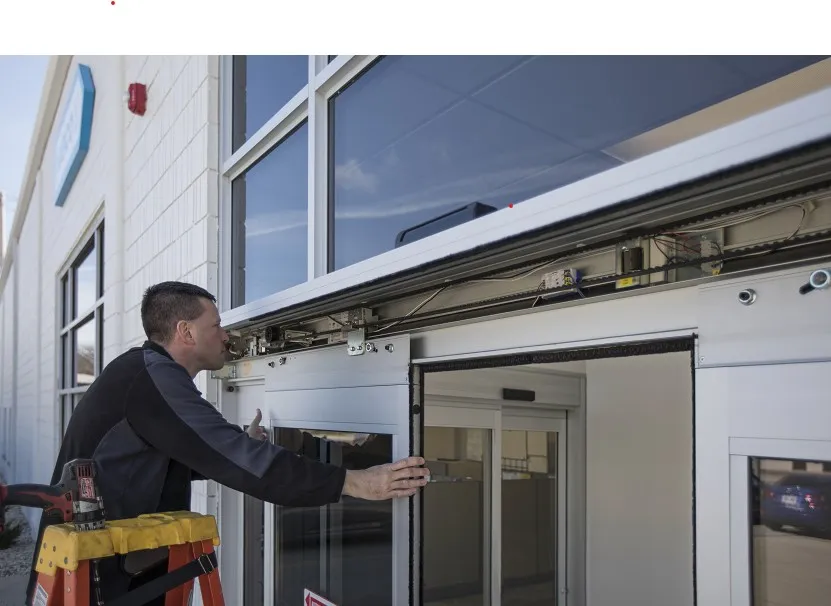
Why Preventive Maintenance Matters for Business Owners
Preventive maintenance is not only about fixing problems before they happen. It is a strategy that helps businesses maintain consistency, reduce operational disruptions, and extend the lifespan of important systems.
Many costly repairs happen because small warning signs are ignored. A minor mechanical issue, unusual noise, or component wear may seem insignificant at first, but over time it can develop into a larger problem that affects productivity and security.
For business owners, investing time in regular maintenance means having better control over expenses and avoiding situations where emergency repairs become the only option.
1. Reducing unexpected repair costs
One of the main benefits of preventive maintenance is identifying problems early. Addressing small issues before they become severe can significantly reduce repair expenses and prevent larger replacements.
2. Preventing business interruptions
Unexpected failures can affect employees, customers, and daily operations. A regular maintenance schedule helps keep essential systems functioning properly and reduces the risk of sudden downtime.
3. Improving property safety
Well-maintained systems contribute to a safer environment for employees, customers, and visitors. Regular inspections help identify potential hazards before they create security or operational concerns.
You might be interested in reading: What are NYC security regulations for retail stores?
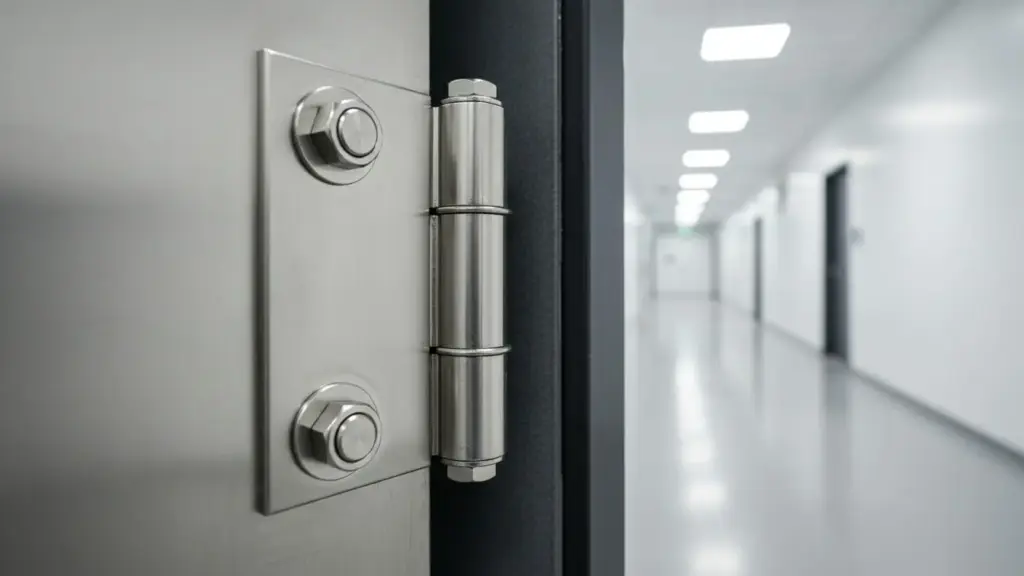
Essential Areas Every Business Should Inspect Regularly
A complete maintenance checklist should cover the areas of a property that experience frequent use, environmental exposure, or mechanical stress. While every business has different needs, several key elements should always be reviewed.
Regular inspections help identify wear, damage, and performance issues before they become larger concerns.
| Area | What to Inspect | Purpose |
| Entry and access systems | Movement, alignment, unusual sounds | Maintain reliable access and security |
| Mechanical components | Wear, friction, loose parts | Prevent unexpected failures |
| Electrical systems | Connections, controls, performance | Reduce operational issues |
| Safety components | Proper function and protection features | Improve workplace safety |
| Exterior areas | Structural damage and weather impact | Prevent long-term deterioration |
1. Entry and access systems
High-use entry points should be inspected regularly because they experience constant operation. Checking movement, alignment, and overall performance can help detect issues before they affect daily activities.
2. Mechanical components
Parts that move frequently can experience friction and wear over time. Regular inspection and proper care can help maintain performance and prevent premature damage.
3. Electrical systems
Electrical components should be evaluated to ensure they operate correctly. Issues with wiring, controls, or connections can affect reliability and safety.
4. Safety features
Safety mechanisms should always be checked to confirm they are working properly. Maintaining these components helps create a safer environment for everyone using the property.
You might be interested in reading: Installation Requirements for businesses in the United States
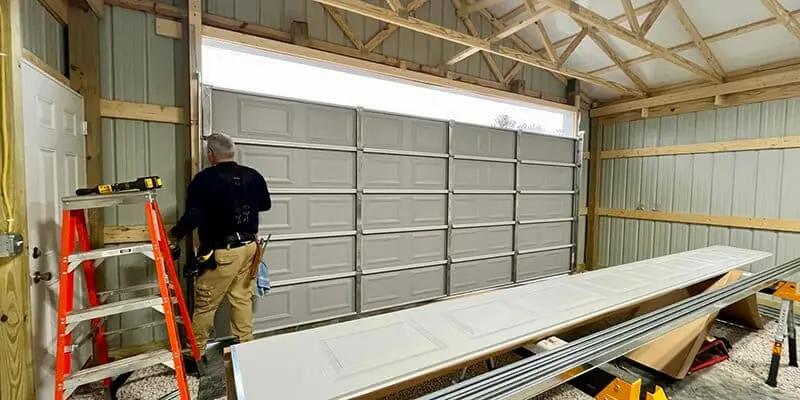
Warning Signs Your Property Needs Attention
Many maintenance problems begin with small signals that are easy to ignore. Recognizing these warning signs early allows business owners to take action before a minor issue becomes a serious operational problem.
Ignoring changes in performance can result in higher repair costs and longer periods of downtime.
1. Unusual noises or movements
Grinding, squeaking, vibration, or irregular movement may indicate that a component requires inspection or adjustment.
2. Slow or inconsistent operation
When a system no longer performs as efficiently as before, it may be a sign of wear or an underlying issue.
3. Visible damage or deterioration
Rust, cracks, loose components, or physical damage should not be ignored. These problems can become worse if they are not addressed.
4. Frequent repairs
If the same issue continues appearing repeatedly, temporary repairs may not be enough. A professional evaluation can help identify the real cause of the problem.
You might be interested in reading: Top Security Warehouse Jobs in Long Island
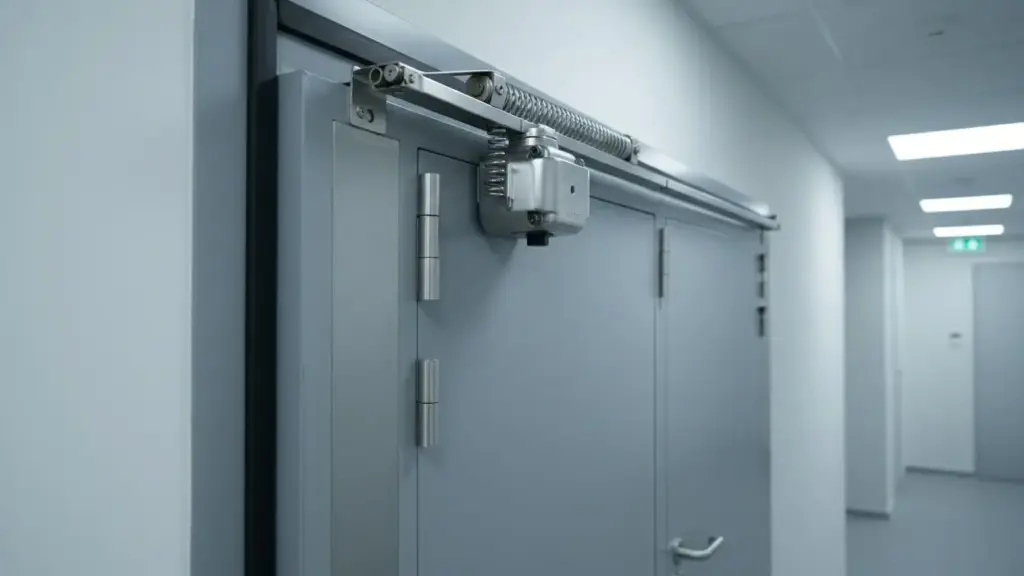
Preventive Maintenance vs Reactive Repairs
Many businesses operate reactively, meaning they only take action after something fails. While this approach may seem easier at first, it often creates unexpected expenses and operational challenges.
Preventive maintenance focuses on planning, inspection, and prevention, while reactive repairs happen after a problem has already affected the business.
| Preventive Maintenance | Reactive Repairs |
| Scheduled inspections | Emergency response |
| Helps identify problems early | Addresses problems after failure |
| More predictable expenses | Unexpected repair costs |
| Reduces downtime risks | Can interrupt operations |
| Extends equipment lifespan | May require larger repairs |
How Often Should Businesses Schedule Maintenance?
The ideal maintenance frequency depends on several factors, including the type of system, frequency of use, environmental conditions, and the requirements of each property.
Businesses with high daily activity usually require more frequent inspections because continuous operation creates additional wear.
1. Monthly inspections
Routine monthly checks help identify visible issues, unusual changes, and early signs of deterioration.
2. Seasonal maintenance reviews
Weather changes can impact different property systems. Seasonal inspections help prepare businesses for environmental conditions throughout the year.
3. Annual professional evaluations
A detailed yearly inspection can help identify problems that may not be visible during regular checks and provide recommendations for future maintenance.
You might be interested in reading: Types of commercial buildings
Benefits of a Preventive Maintenance Strategy
Implementing a structured maintenance plan provides long-term advantages for business owners. Instead of constantly reacting to unexpected problems, companies can take a more controlled approach to protecting their property.
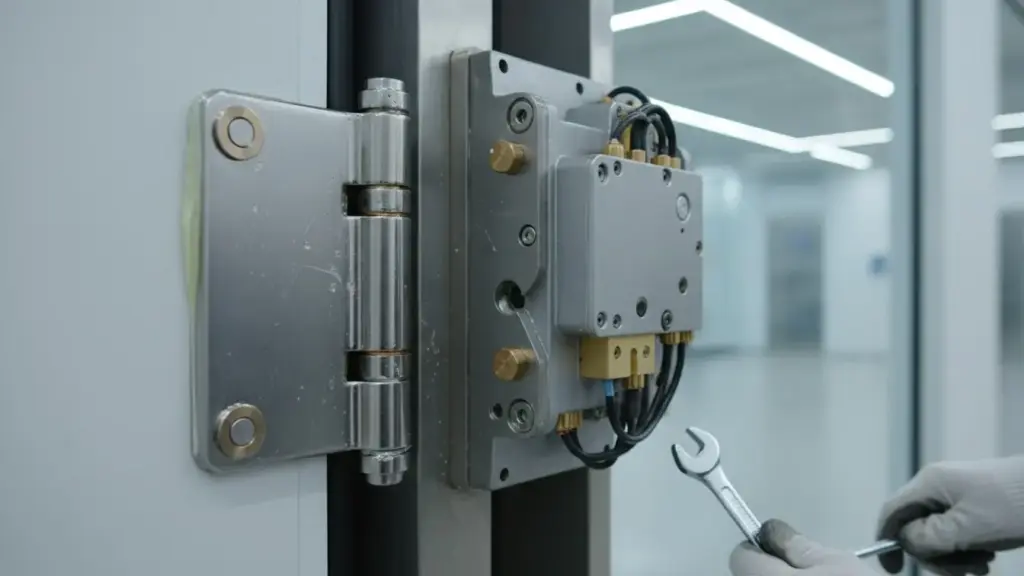
A preventive maintenance strategy supports better planning, improved safety, and more reliable operations.
1. Extend equipment lifespan
Regular care reduces unnecessary wear and helps important systems continue functioning effectively for a longer period.
2. Improve cost control
Scheduled maintenance allows businesses to plan expenses instead of dealing with unexpected repair bills.
3. Protect business operations
Reliable systems help businesses maintain productivity and avoid interruptions that could affect customers and employees.
4. Maintain a professional property image
A well-maintained property creates a better experience for customers and demonstrates attention to safety and quality.
You might be interested in reading: Top 15 business security system companies in NYC
When Professional Maintenance Becomes Necessary
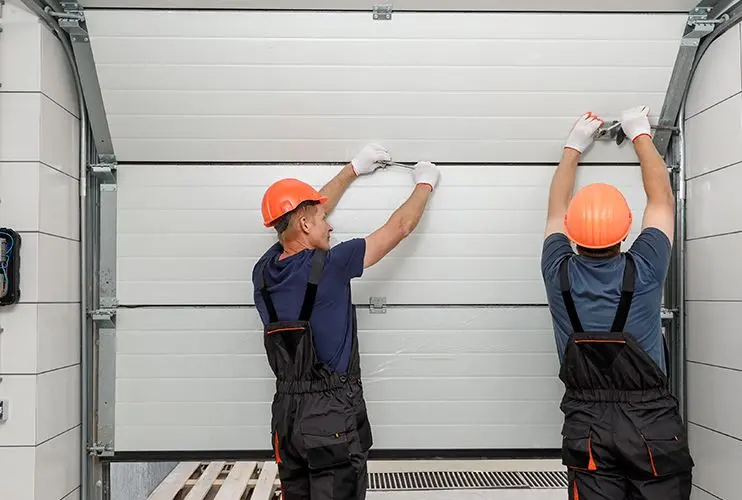
While some basic inspections can be performed internally, certain situations require professional knowledge and experience.
Working with qualified professionals helps ensure problems are properly identified and corrected before they become more serious.
1. When issues continue after basic checks
Recurring problems often indicate a deeper issue that requires professional evaluation.
2. When safety is affected
Any problem involving security, access, or employee safety should be addressed as soon as possible.
3. When your business depends on reliable operation
Companies that rely on continuous access and daily activity benefit from scheduled professional maintenance to prevent unexpected disruptions.
Create a Maintenance Plan Before Problems Begin
A proactive approach helps business owners protect their property, reduce unexpected expenses, and maintain reliable operations. Preventive maintenance is not only about avoiding repairs; it is about creating a safer, more efficient, and better-managed business environment.
By following a regular checklist, monitoring warning signs, and scheduling professional evaluations when necessary, businesses can reduce risks and make better long-term decisions.
