
Security warehouse jobs are more than just positions; they are a gateway to understanding how warehouses and distribution centers operate safely and efficiently. For many businesses, having trained personnel on-site ensures that operations run smoothly, inventory is protected, and unforeseen risks are minimized. Whether you’re just starting in logistics or exploring career opportunities, these jobs offer hands-on experience, a chance to develop essential skills, and insight into how organized systems keep products secure. From small storage facilities to bustling distribution hubs, the role of security personnel is indispensable in maintaining trust and reliability.
You might be interested in reading: How to fix commercial property damage after a break-in
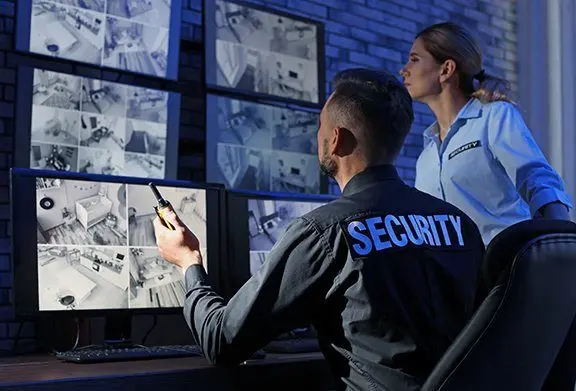
What Are Security Warehouse Jobs
Security warehouse jobs involve maintaining the safety and security of warehouses, distribution centers, and storage facilities. These roles ensure that inventory is monitored, access is controlled, and operations comply with safety standards. Professionals in these positions play a crucial role in keeping the supply chain running smoothly, preventing theft, loss, or damage to valuable products, and supporting overall business efficiency. Security warehouse jobs also require attention to detail, proactive problem-solving, and the ability to work alongside warehouse staff to create a secure and organized environment. As warehouses continue to grow in size and complexity, the importance of these positions increases, offering opportunities for career growth, specialized training, and hands-on experience in logistics management while ensuring that businesses meet regulatory requirements and maintain high standards of operational safety and protection.
You might be interested in reading: Gate repair cost in 2026: How Much Does It Really Cost?

Why Security Warehouse Jobs Are Important
These positions protect valuable inventory, ensure compliance with regulations, and contribute to overall operational efficiency. Skilled security personnel help prevent loss, damage, and theft, which directly impacts a company’s bottom line. Security warehouse jobs also maintain smooth workflow, reduce operational risks, and support the safe handling of high-value assets.
1. Importance of Warehouse Security
Effective warehouse security prevents theft and damage, protecting both physical goods and business revenue. Companies that invest in trained personnel reduce losses and improve operational reliability, which is critical in high-traffic commercial facilities.
2. Role in Operational Efficiency
Security warehouse jobs help maintain a seamless workflow by monitoring access, overseeing inventory movement, and responding to incidents quickly. This ensures that logistics processes stay on schedule and resources are used efficiently.
3. Compliance and Regulatory Benefits
Security personnel ensure that warehouses meet local, state, and federal safety regulations. Maintaining compliance reduces fines, legal risks, and potential business interruptions, making these roles essential for lawful and safe operations.
4. Impact on Employee and Business Confidence
Well-trained security staff foster trust among employees and management. Their presence reassures teams that assets are protected, creating a safer work environment and reducing operational stress.
5. Contribution to Risk Management
Security warehouse jobs mitigate risks related to theft, sabotage, and workplace accidents. By identifying vulnerabilities and enforcing protocols, these roles safeguard the organization’s assets and maintain long-term business continuity.
You might be interested in reading: How to protect identity theft and secure your future in 2026

Top Security Warehouse Jobs in Long Island
Security warehouse jobs in Long Island cover a range of roles focused on protecting warehouses, distribution centers and high‑value inventory while supporting smooth operations. Below are algunos puestos reales y comunes que reflejan la demanda actual de trabajo en este sector:
1. Security Guard – Distribution Warehouse (Bohemia, Long Island)
Un rol típico en el que los candidatos trabajan en un centro de distribución realizando patrullajes, control de accesos, y respondiendo a incidentes dentro del sitio. Estos puestos suelen ofrecer horarios flexibles, beneficios y posibilidades de crecimiento profesional.
2. Security Associate – Overnight (Long Island, NY)
Posición de seguridad nocturna donde el empleado supervisa protocolos de seguridad, controla accesos, y garantiza que las operaciones durante turnos nocturnos sean seguras. Estos roles son esenciales para redes logísticas con operaciones 24/7.
3. Unarmed Security Officer – Warehouse Distribution Site (Uniondale, Long Island)
Rol de seguridad no armada en un sitio de distribución, ideal para quienes comienzan en el sector. Se enfoca en patrullaje, observación y apoyo en seguridad general en zonas de logística y almacenamiento.
4. Security Professional – Warehouse Site – Flex (Melville, NY)
Posición flexible donde el empleado puede seleccionar turnos basados en disponibilidad, apoyando la misión de mantener la seguridad en diferentes ubicaciones y horarios.
You might be interested in reading: Urban property security risks across US cities
What is the Role of a Security Guard in a Warehouse?
The role of a security guard in a warehouse is crucial for maintaining a safe and efficient environment. Security personnel monitor entry and exit points, oversee inventory, and ensure that all operations comply with safety protocols. Their presence not only prevents theft and damage but also fosters a sense of safety for all employees and helps maintain smooth workflow throughout the facility.
1. Monitoring Inventory and Assets
Security guards track the movement of goods and ensure that all products are accounted for, helping prevent loss or misplacement of high-value items.
2. Access Control and Surveillance
They manage who enters and exits the warehouse, monitor surveillance cameras, and verify that all staff and visitors follow company protocols.
3. Emergency Response and Incident Management
In case of accidents, unauthorized access, or emergencies, security guards respond promptly, minimizing potential damage and ensuring employee safety.
4. Compliance and Reporting
Security personnel maintain logs, complete reports of incidents or irregularities, and ensure that warehouse operations comply with local safety regulations and company policies.
5. Supporting Operational Efficiency
Beyond security, guards help warehouse managers identify risks, recommend improvements, and contribute to smoother daily operations by preventing disruptions.
You might be interested in reading: Top 10 benefits of automatic security gates for homes and businesses

Average Salaries and Benefits for Security Warehouse Jobs
Understanding the compensation and benefits of security warehouse jobs is essential for anyone considering a career in this field in Long Island. These roles vary depending on experience, shift, certifications, and the type of facility, but overall they offer competitive wages and valuable benefits that make them a solid career choice for professionals seeking stability, growth, and a practical skillset in warehouse and logistics environments.
1. Hourly Wages and Annual Salaries
Security warehouse jobs typically offer competitive hourly pay, which can range from entry-level rates around $15–$18 per hour up to $25–$30 per hour for more experienced roles or supervisory positions. Annual salaries for full-time positions often fall between $35,000 and $60,000, depending on the size and type of the warehouse and the responsibilities involved.
2. Common Benefits Offered
Many companies provide additional benefits for security warehouse roles, including health insurance, retirement plans, paid leave, and employee training programs. These benefits not only support employee well-being but also improve job satisfaction and retention.
3. Factors That Affect Compensation
Several factors influence pay, including the location of the warehouse, the level of responsibility, certifications such as OSHA or first aid, and whether the position involves night shifts or specialized security duties. Employees with advanced training or managerial duties generally earn higher salaries.
4. Opportunities for Overtime and Shift Differentials
Some positions offer overtime pay, holiday pay, or shift differentials for evening or night shifts, which can significantly increase overall compensation. Understanding these options can help employees maximize their earnings while gaining valuable experience.
5. Career Growth and Benefits Beyond Pay
Aside from monetary compensation, security warehouse jobs often provide opportunities for career advancement, skill development, and professional certifications. This long-term growth potential makes these positions appealing for individuals looking to build a stable and rewarding career in the warehouse and logistics sector.
Essential Skills for Security Warehouse Jobs
Working in a warehouse security role requires a combination of technical knowledge, practical experience, and interpersonal abilities. Security personnel are not only responsible for monitoring access and protecting inventory, but also for maintaining smooth operations and supporting other warehouse staff. Having the right skills ensures that security guards can respond effectively to incidents, maintain compliance, and contribute to overall operational efficiency.
1. Technical Skills (Surveillance, Access Control, Emergency Response)
Security warehouse jobs demand technical proficiency, including the ability to operate surveillance cameras, access control systems, and alarm monitoring equipment. Guards must also understand emergency protocols to respond quickly and efficiently to incidents such as unauthorized entry, fire alarms, or safety hazards.
2. Soft Skills (Attention to Detail, Communication, Team Coordination)
Beyond technical expertise, warehouse security professionals need strong soft skills. Attention to detail allows them to identify irregularities or potential threats. Effective communication ensures coordination with warehouse staff and management, while teamwork helps maintain a safe and organized environment.
3. Certifications and Training (OSHA, First Aid, Security Courses)
Certifications enhance a security guard’s ability to perform effectively. OSHA training, first aid, CPR, and specialized security courses provide the knowledge and confidence to handle emergencies, enforce safety regulations, and support compliance with local and federal standards.
4. Problem-Solving and Risk Assessment
Security personnel must evaluate situations quickly and make decisions to mitigate risks. Identifying vulnerabilities in inventory handling or access points helps prevent theft and operational interruptions.
5. Physical and Situational Awareness
A good security guard maintains physical readiness and situational awareness to patrol warehouse areas efficiently, detect potential hazards, and respond to incidents with agility and confidence.
Common Challenges in Warehouse Security Roles
Security personnel working in warehouses face a variety of challenges that require vigilance, adaptability, and a proactive mindset. High-volume operations, physical demands, and strict safety regulations create an environment where maintaining security and efficiency simultaneously is crucial. Understanding these challenges helps employees prepare effectively and supports managers in optimizing warehouse operations.
1. High-Traffic Environments and Monitoring Requirements
Security staff must manage large volumes of people, vehicles, and inventory moving through busy warehouses. Constant monitoring of entry and exit points, along with surveillance systems, ensures that all activity is tracked and potential threats are detected early.
2. Physical Demands and Shift Work
Warehouse security roles often require long periods of standing, patrolling large areas, and responding to emergencies. Additionally, many positions involve night shifts, weekends, and rotating schedules, which demand endurance and consistent alertness.
3. Risk Management and Safety Compliance
Security guards are responsible for enforcing safety protocols, identifying potential hazards, and ensuring compliance with OSHA regulations and company policies. Proper risk management minimizes accidents, theft, and operational disruptions.
4. Emergency Response Challenges
Personnel must be prepared to act quickly during incidents such as unauthorized access, equipment malfunctions, or safety emergencies. Swift, coordinated responses prevent escalation and protect both inventory and employees.
5. Coordination with Warehouse Staff
Effective communication with warehouse workers, supervisors, and management is essential. Security personnel need to relay information promptly, coordinate responses, and assist in implementing operational improvements.
How to Get Certified for Warehouse Security Roles
Obtaining proper certification is an essential step for anyone looking to build a career in warehouse security. Certification ensures that security personnel have the knowledge and skills required to handle safety protocols, emergency situations, and day-to-day operational challenges. These credentials also enhance employability, demonstrate professionalism, and help meet regulatory requirements in warehouses and distribution centers across Long Island and the U.S.
1. Local and National Security Certifications
Many warehouses require security personnel to hold local or state-issued security licenses, as well as national certifications. These may include security guard licenses, OSHA safety training, first aid, and CPR. Obtaining recognized certifications ensures that personnel are prepared to handle the unique challenges of warehouse security.
2. On-the-Job Training Programs
Practical experience through on-the-job training is critical for developing real-world skills. Security personnel learn how to manage access control, monitor inventory, respond to incidents, and use security technologies effectively. Companies often pair new hires with experienced staff to provide mentorship and hands-on experience.
3. Continuing Education and Professional Development
Warehouse security is a dynamic field, with evolving technology, safety standards, and regulatory requirements. Continuing education programs, advanced security courses, and professional development opportunities help personnel stay up-to-date, enhance their expertise, and advance their careers within the warehouse and logistics sector.
