
Security regulations in New York City are not just legal guidelines, they are a critical framework that directly impacts how retail stores operate, protect their assets, and ensure public safety in one of the most competitive and high-traffic commercial environments in the world. Whether you manage a small boutique in Manhattan or a larger retail space in Brooklyn, understanding these rules is essential to avoid penalties, reduce risks, and maintain a compliant and secure business.
In NYC, retail security is shaped by a combination of building codes, fire safety laws, access control requirements, and general commercial property regulations. These standards are designed to protect not only the business owner but also employees, customers, and the surrounding community. Many store owners only realize the importance of compliance after facing issues such as failed inspections, security vulnerabilities, or emergency incidents that could have been prevented with proper knowledge.
This guide breaks down everything you need to know about NYC retail security requirements in a clear and practical way, so you can stay compliant, improve protection, and make informed decisions for your business.
You might also be interested in reading: Installation Requirements for businesses in the United States
What Are Examples of Regulations?
NYC retail security regulations are made up of a combination of building codes, fire safety rules, and commercial property requirements designed to ensure that businesses operate safely and securely. These regulations are enforced by different city authorities and vary depending on the type of property, its location, and its level of public exposure. Understanding real examples of these rules helps retail business owners better visualize what compliance actually looks like in practice and how it affects day-to-day operations.
Below are some of the most common examples of security regulations applied to retail stores in New York City.
1. Fire Safety and Emergency Exit Requirements
One of the most important regulatory areas in NYC retail spaces is fire safety compliance. Businesses must ensure that all emergency exits are clearly marked, accessible, and free from obstruction at all times.
Regulations also require the installation of fire-rated exit routes, proper signage, and in many cases, emergency lighting systems to guide safe evacuation. These rules are strictly enforced by the FDNY and are essential for protecting both customers and employees in case of emergencies.
2. Structural Security and Access Control Standards
Retail stores must comply with regulations that ensure physical security and controlled access to the premises.
This includes maintaining secure entry points, using approved locking systems, and ensuring that storefront structures are resistant to forced entry. In some cases, businesses may also need to install reinforced doors or protective barriers depending on their location and risk level. These measures are designed to reduce vulnerability and improve overall safety.
3. Surveillance and Monitoring Requirements
Although not always mandatory for every retail business, surveillance systems are strongly recommended and often required for insurance compliance or security audits.
Regulations typically encourage the installation of CCTV cameras covering entry points, customer areas, and exterior surroundings. Proper lighting and recording systems are also important to ensure visibility and documentation of incidents, which can be critical in investigations or liability cases.
4. Fire Code Compliance for Commercial Properties
NYC fire codes require retail businesses to follow strict guidelines related to building materials, occupancy limits, and emergency preparedness.
This includes maintaining safe occupancy levels, ensuring fire extinguishers are properly placed and functional, and using approved materials in construction and interior design. These rules are regularly inspected and must be maintained continuously to avoid penalties or violations.
5. Building Code and Accessibility Regulations
Retail stores must also comply with NYC building codes that ensure structural safety and accessibility for all individuals.
This includes proper doorway widths, accessible entry points for people with disabilities, and compliance with ADA (Americans with Disabilities Act) standards. These regulations ensure that retail spaces are inclusive, safe, and legally compliant for public use.
You might also be interested in reading: Top Security Warehouse Jobs in Long Island
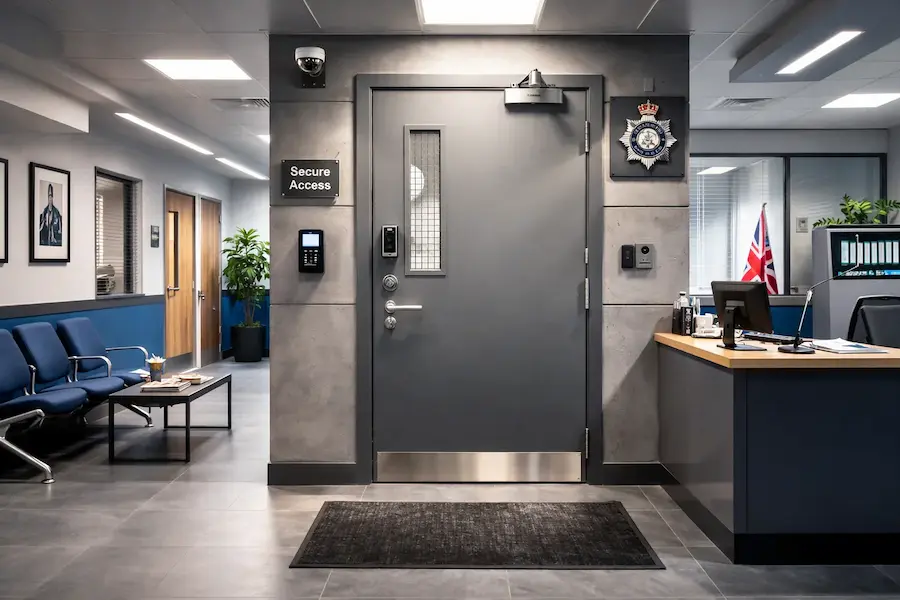
Importance of Security Regulations for Retail Businesses in NYC
Security compliance in New York City is not just a formal requirement, it is a fundamental pillar of operating a stable, trusted, and resilient retail business in one of the most competitive urban markets in the world. With high customer traffic, dense commercial zones, and strict municipal oversight, security regulations play a critical role in protecting businesses from legal risks, financial losses, and operational disruptions. Understanding and applying these rules is essential for long-term success, especially for retail stores exposed to constant public interaction and urban security challenges.
1. Legal Compliance and Penalty Avoidance
Following NYC security regulations ensures that retail businesses operate within the legal framework established by city authorities. These rules are designed to maintain public safety standards across all commercial spaces.
Failure to comply can result in serious consequences such as monetary fines, failed inspections, mandatory corrections, or in extreme cases, temporary or permanent closure of the business. In addition, non-compliance can also affect insurance coverage and increase liability risks in case of incidents. Staying compliant not only avoids penalties but also ensures smoother operations during city inspections and audits.
2. Protection Against Theft and Break-Ins
One of the primary purposes of security regulations in NYC is to reduce vulnerability to theft, vandalism, and forced entry, issues that retail businesses in urban environments frequently face.
These regulations encourage the implementation of reinforced access points, proper locking systems, surveillance readiness, and structural safety measures. When properly applied, they significantly reduce the likelihood of break-ins and help deter criminal activity by increasing the physical and operational difficulty of unauthorized access. This creates a safer environment for both merchandise and employees.
3. Customer and Employee Safety
A compliant security system is essential for protecting the people inside a retail space, not just the physical assets. NYC regulations emphasize safe entry and exit systems, emergency accessibility, and controlled access to prevent hazardous situations.
When these standards are followed correctly, they help ensure that customers can enter and exit safely, employees can operate without risk, and emergency procedures can be executed efficiently when needed. This level of protection builds trust with customers and contributes to a safer shopping experience, which is crucial in high-traffic retail environments.
4. Business Continuity
Security regulations also play a key role in maintaining uninterrupted business operations. Stores that implement proper compliance measures are far less likely to suffer downtime caused by security incidents, structural failures, or regulatory violations.
By reducing risks such as break-ins, damage to entry systems, or failed inspections, businesses can avoid costly interruptions and maintain consistent daily operations. This stability is especially important in NYC, where even short periods of closure can lead to significant revenue loss and reduced customer trust. Compliance ultimately supports long-term operational reliability and financial performance.
You might also be interested in reading: How to fix commercial property damage after a break-in

Key NYC Retail Security Requirements
NYC retail security requirements are a combination of safety, building code compliance, and operational standards designed to protect commercial spaces, employees, and customers in one of the most demanding urban environments in the world. These requirements are not uniform for all businesses, they vary depending on building type, location, and the level of public exposure. However, most retail stores in New York must comply with a set of core security and safety standards that ensure both protection and legal compliance.
Below are the main areas that define how retail businesses in NYC must structure their security systems and operational safety measures.
1. Retail Entry and Exit Security Standards
Retail stores must ensure that all access points are properly controlled and meet city safety requirements.
- Secure locking systems
- Controlled access mechanisms
- Emergency exit accessibility
- Clear evacuation routes
2. Fire Safety Compliance for Retail Stores in NYC
Fire protection rules are strictly enforced across all commercial spaces in New York City.
- Fire-rated exits
- Accessible emergency doors
- FDNY compliance standards
- Safety signage requirements
3. Physical Security Requirements for NYC Businesses
Retail locations must include structural elements that reduce vulnerability to external threats.
- Reinforced entry points
- Durable storefront protection
- Impact-resistant materials
- Anti-intrusion barriers
4, Surveillance Standards in Retail Security NYC
Monitoring systems support both security control and insurance compliance in commercial spaces.
- CCTV at entry points
- Interior and exterior coverage
- Adequate lighting for visibility
- Incident recording systems
You might also be interested in reading: Laws in New York for Businesses 2026
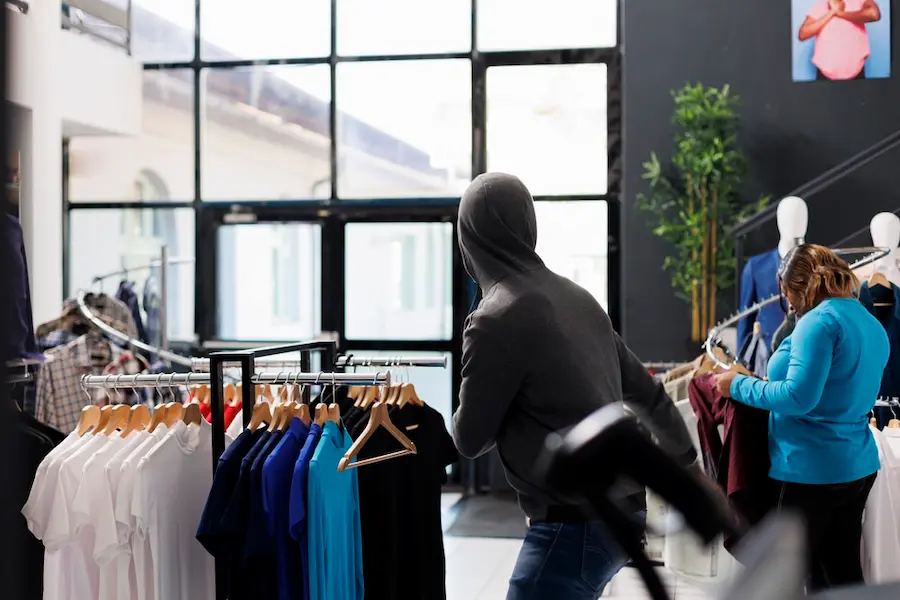
Common Security Compliance Challenges in NYC Retail Stores
Retail businesses in New York City operate in one of the most regulated and competitive environments in the world. While security compliance is essential for legal operation and customer safety, many store owners face significant challenges when trying to meet all requirements. These challenges are often a combination of financial limitations, structural constraints, regulatory updates, and design considerations that make full compliance difficult without strategic planning and investment.
Understanding these common obstacles helps business owners make better decisions when upgrading or maintaining their security systems.
1. Balancing Storefront Design and Security Requirements
One of the most common challenges for retail businesses in NYC is finding the right balance between maintaining an attractive storefront and implementing strong security measures.
Retail stores rely heavily on visual appeal to attract customers, especially in high-traffic commercial areas. However, adding security elements such as reinforced structures, barriers, or protective systems can sometimes affect the aesthetic appearance of the business. This creates a constant trade-off between design and protection, forcing owners to find solutions that are both functional and visually acceptable.
2. Aging Building Infrastructure in NYC Commercial Properties
Many retail spaces in New York City are located in older buildings that were not originally designed to meet modern safety and security standards.
As a result, business owners often need to invest in structural upgrades, retrofitting, or complete system replacements to achieve compliance. Issues such as outdated entry systems, weak structural materials, and limited space for modern security installations can significantly increase the complexity and cost of compliance. This makes older properties more challenging to maintain from both a regulatory and operational perspective.
3. High Costs of Security Compliance and Maintenance
Meeting NYC security regulations often requires significant financial investment, which can be a major challenge for small and medium-sized retail businesses.
Costs may include professional installation of security systems, structural reinforcements, regular inspections, and ongoing maintenance. In addition, businesses must also account for unexpected repairs or upgrades required by updated regulations. These financial demands can create pressure, especially for businesses operating with limited budgets or seasonal income.
4. Constantly Evolving NYC Security Regulations
Another major challenge is the dynamic nature of New York City building and safety codes. Regulations are frequently updated to improve public safety, which means businesses must continuously monitor changes and adapt accordingly.
Failure to stay updated can lead to compliance issues, inspection failures, or unexpected penalties. This requires business owners to stay informed, work with qualified professionals, and periodically review their security systems to ensure they remain aligned with current legal standards.
5. Limited Operational Downtime for Upgrades and Inspections
Retail businesses often struggle to implement security upgrades or inspections because closing the store for long periods can result in revenue loss.
Coordinating installations or compliance work without disrupting daily operations is a significant challenge, especially for businesses in high-traffic areas. This makes planning and phased upgrades essential to avoid interruptions while maintaining compliance.
6. Finding Qualified and Reliable Security Contractors
Another common difficulty is identifying trustworthy professionals who understand both NYC regulations and commercial security requirements.
Not all contractors are familiar with the specific compliance standards required in the city, which can lead to improper installations or incomplete compliance. This makes choosing experienced, certified professionals a critical part of maintaining long-term security effectiveness.
Best Practices to Stay Compliant with NYC Security Regulations
Staying compliant with NYC security regulations requires more than a one-time installation or basic setup. It involves continuous attention, proper planning, and ongoing maintenance to ensure that all systems meet evolving city standards. For retail businesses operating in a highly regulated and competitive environment like New York City, adopting best practices is essential not only to avoid penalties but also to maintain safe, efficient, and reliable operations.
Below are the most important practices that help retail businesses stay compliant and secure over time.
1. Regular Safety Inspections and System Maintenance
Routine inspections are essential to ensure that all security systems and structural components are functioning correctly and remain compliant with NYC regulations.
Businesses should schedule periodic checks of doors, locking mechanisms, access systems, and emergency exits to identify potential issues before they become serious problems. Preventive maintenance helps avoid unexpected failures, reduces repair costs, and ensures that the store remains fully operational and compliant during city inspections.
2. Professional Installation and Certified Security Systems
One of the most important factors in maintaining compliance is ensuring that all security systems are installed by qualified and certified professionals.
Improper installation can lead to system malfunctions, safety risks, and failed inspections. Certified installers understand NYC building codes and ensure that every component meets required standards. This not only guarantees compliance but also improves the long-term durability and performance of the security infrastructure.
3. Staying Updated with NYC Security Laws and Building Codes
NYC security regulations are not static, they evolve regularly to adapt to new safety requirements and urban risks.
Retail business owners must stay informed about changes in building codes, fire safety regulations, and commercial security standards. This can be done by consulting professionals, monitoring official city updates, or working with compliance specialists. Staying updated helps avoid unexpected violations and ensures continuous alignment with legal requirements.
4. Integrating Security into Daily Business Operations
Security should not be treated as a separate or secondary process—it must be fully integrated into daily operations.
This includes training staff on safety procedures, ensuring proper closing routines, and maintaining awareness of security systems during business hours. When security becomes part of everyday workflow, businesses reduce human error and improve overall safety management.
5. Emergency Preparedness and Response Planning
Having a clear emergency response plan is a key component of compliance and risk reduction in NYC retail environments.
Businesses should establish procedures for situations such as break-ins, system failures, or fire emergencies. Staff should be trained to respond quickly and appropriately, ensuring customer safety and minimizing damage. A well-prepared response plan also improves compliance during inspections and safety audits.
6. Working with Licensed Security and Compliance Experts
Partnering with experienced professionals who understand NYC regulations is essential for long-term compliance.
Experts can provide guidance on system upgrades, regulatory updates, and inspection readiness. Their knowledge helps businesses avoid costly mistakes and ensures that all security implementations meet current legal standards. This is especially important for retail stores in high-risk or high-traffic areas of the city.
