
New York is one of the most visited cities in the world, yet many travelers leave with the feeling that they only scratched the surface. They see the landmarks, take the photos, follow the recommended routes, and still wonder if that was all there was. The truth is that the city hides layers that rarely make it into classic travel guides. Understanding what can you do in New York beyond the obvious is often the difference between a good trip and a truly memorable one.
Most visitors follow a predictable rhythm: attractions in the morning, crowded streets in the afternoon, and exhaustion by nightfall. While there is nothing wrong with seeing the highlights, the city rewards those who slow down and look a little deeper. When you start asking yourself what can you do in New York that feels less scripted, you begin to notice a very different city emerging around you.
New York is not just a collection of famous places; it is a living environment shaped by daily routines, local traditions, and small moments that rarely appear on social media. The challenge is knowing where to look and how to experience it without trying to “do everything.” That is where most tourists go wrong.
You might also be interested in: 50 best places to live in US 2026
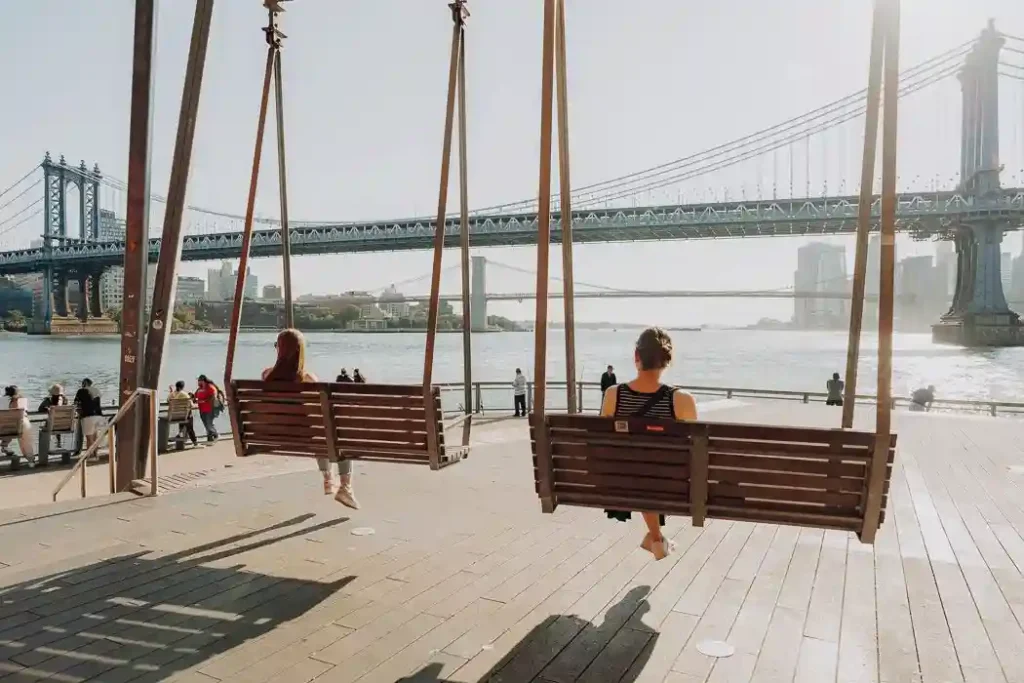
Why New York still has secrets even frequent visitors don’t know
It may sound surprising, but even people who have visited multiple times often miss some of the most interesting sides of the city. This happens because many trips are built around lists instead of experiences. When travelers focus only on checking boxes, they rarely stop to ask what can you do in New York that reflects how the city actually works day to day.
Another reason is time pressure. New York feels overwhelming, so visitors rush from one point to another, assuming that anything not labeled as “essential” is optional. In reality, some of the most authentic experiences happen between destinations, not at them. Recognizing what can you do in New York outside of rigid schedules allows space for discovery.
The difference between classic attractions and real local experiences
When visiting a city like New York, the way you experience it depends largely on the choices you make. Some experiences are designed to impress at first glance, while others reveal themselves slowly through everyday moments. Understanding the difference between classic attractions and real local experiences helps travelers decide not only what can you do in New York, but also how deeply they want to connect with the city beyond its postcard image.
| Classic Attractions | Real Local Experiences |
|---|---|
| Designed to impress a large number of visitors | Shaped by daily routines and personal habits |
| Often crowded and fast-paced | Usually calmer and more relaxed |
| Focus on iconic landmarks and famous spots | Focus on neighborhoods, local spaces, and everyday life |
| Experiences feel scheduled and structured | Experiences feel spontaneous and flexible |
| Popularity is the main reason to visit | Comfort, familiarity, and connection guide choices |
| Visitors observe the city from the outside | Travelers feel part of the city, even briefly |
| Moments are often documented through photos | Moments are lived more than recorded |
| Answer the question: What should I see? | Answer the question: How does it feel to be here? |
Why many visitors leave New York feeling they missed something
Many travelers leave New York with the sense that they saw a lot but truly experienced very little. The city moves fast, offers endless options, and demands constant decisions. When every attraction feels equally important, visits become rushed and superficial. Over time, memories blur together, and what remains is often the feeling of crowds rather than meaningful moments. This sensation is not a failure of planning, but a result of approaching the city without prioritizing depth over quantity.
This is also why questions like what to do in NYC when it rains appear so frequently. Rain disrupts routines, slows movement, and forces visitors to rethink their plans. Surprisingly, these interruptions often lead to richer experiences, as travelers spend more time indoors, observe more, and connect with the city at a calmer pace. Thinking ahead about what to do in NYC when it rains allows travelers to stay flexible, turning uncertainty into an opportunity rather than a setback.
Common reasons visitors feel they missed something:
- Trying to cover too many attractions in a short time
- Treating every sight as equally important
- Moving quickly without spending enough time in one place
- Following strict itineraries with no room for spontaneity
- Experiencing the city mainly through crowds
- Prioritizing schedules over curiosity
- Not adapting plans when weather or energy levels change
- Leaving without connecting to everyday local life
What can you do in New York beyond the typical tourist route
Once you step away from the main attractions, the city begins to feel more approachable. Neighborhoods change block by block, each with its own character and pace. Understanding what can you do in New York outside the usual routes is not about finding “secret” places, but about choosing depth over quantity.
Instead of crossing the city multiple times a day, staying within one area allows you to notice details: local shops, community spaces, and everyday interactions. This approach also reduces stress and makes room for spontaneity, which is often missing from tightly planned itineraries.
You might also be interested in: Top 15 security challenges of 2026

Neighborhoods that feel local, not overcrowded
Many areas of New York maintain a strong neighborhood identity that tourists rarely experience. These neighborhoods are not hidden, but they are often overlooked because they do not revolve around major landmarks. Walking through them offers a clearer picture of how residents actually live, move, and spend their time. Instead of crowds and long lines, these areas are defined by routine, familiarity, and a slower pace.
Spending time in these neighborhoods naturally answers the question of what can you do in New York when you are looking for a calmer, more grounded experience. Cafés feel more personal, streets invite longer walks, and interactions are less transactional. This side of the city becomes especially valuable when thinking about what to do in NYC when it rains, as local spots tend to be more comfortable and welcoming than crowded attractions.
Neighborhoods worth exploring:
- Cobble Hill (Brooklyn)
A quiet, residential area with tree-lined streets and small cafés that reflect everyday local life. Ideal for slow walks and relaxed mornings. - Carroll Gardens (Brooklyn)
Known for its neighborhood atmosphere and independent businesses, this area invites visitors to slow down and spend time indoors or outdoors without pressure. - Greenpoint (Brooklyn)
A walkable neighborhood with a strong identity, mixing tradition and modern spaces. It offers a clear example of what can you do in New York beyond tourist-heavy zones. - Alphabet City (Manhattan)
More relaxed than other parts of Manhattan, with local restaurants, small shops, and a lived-in feel that encourages exploration without rushing. - Astoria (Queens)
Vibrant but not overwhelming, Astoria is welcoming, diverse, and perfect for travelers looking for comfort, especially on rainy days. - Inwood (Manhattan)
Located at the northern end of the city, Inwood offers a quieter pace, green spaces, and a strong sense of community.
Cultural spots most guidebooks don’t prioritize
New York’s cultural scene goes far beyond the big museums and famous theaters. Some of the most memorable experiences happen in smaller, independent spaces that often fly under the radar. These venues give visitors a chance to connect with the city’s creative pulse in a more personal and meaningful way. Exploring them allows you to rethink what can you do in New York culturally and discover layers of the city that are rarely captured in standard guides.
Many of these cultural spaces are also perfect for rainy days. Instead of waiting for clear skies to explore, you can immerse yourself in art, performances, and exhibitions that feel authentic and intimate. Knowing what to do in NYC when it rains can transform indoor days into some of the most memorable parts of your trip.
Cultural spots worth visiting:
- The New York Earth Room (SoHo, Manhattan)
A unique indoor installation that offers a quiet, reflective experience. Perfect for those looking for something offbeat and thought-provoking. - The Bushwick Collective (Brooklyn)
While mostly outdoor murals, the nearby independent galleries and art spaces showcase street art culture in an accessible and local way. - The Nuyorican Poets Café (East Village, Manhattan)
An iconic community theater hosting poetry, music, and storytelling. Engaging with local artists here provides a conversation rather than a spectacle. - Smack Mellon (Brooklyn)
A small gallery with rotating exhibitions, supporting emerging artists and contemporary projects often overlooked in mainstream guides. - Japanese American Museum (Lower East Side, Manhattan)
A compact museum focusing on the Japanese-American experience, offering insightful exhibitions away from crowded tourist paths. - National Jazz Museum (Harlem, Manhattan)
Offers intimate performances and educational programs, ideal for music lovers seeking authentic New York cultural experiences.
Everyday New York experiences that tourists often overlook
Some of the most meaningful experiences are also the simplest. Riding public transportation without rushing, visiting a local market, or spending time in a neighborhood park can reveal more about the city than any attraction. These moments require no tickets or reservations, only attention.
They also fit naturally into longer stays. For travelers planning extended visits and wondering what to see in New York in 5 days, incorporating everyday experiences helps balance iconic sights with real-life context. This balance reduces fatigue and creates a more cohesive understanding of the city.
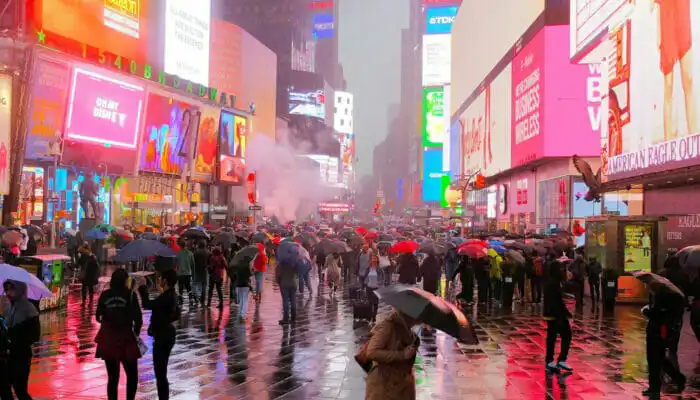
What to do in NYC when it rains without ruining your trip
Rain is often seen as a setback, especially in a city that invites constant walking. However, New York reacts to rain in a way that many visitors do not expect. Instead of slowing down, the city simply shifts indoors. Knowing what can you do in New York on rainy days helps transform a potential inconvenience into a different kind of experience.
Rain changes the pace of the city. Streets feel calmer, crowds thin out, and indoor spaces become more social. For travelers who are prepared, rainy days often become the moments they remember most. Understanding what to do in NYC when it rains is not about having a backup plan, but about embracing a different version of the city.
You might also be interested in: The best home security systems of 2026
Indoor activities that go beyond museums
While museums are the obvious choice for rainy days, New York offers many indoor options that go far beyond traditional exhibits. From independent cinemas to historic libraries and cultural centers, these spaces combine culture, conversation, and everyday life. They provide shelter while still offering meaningful experiences that help travelers connect with the city rather than just observe it. Spending time indoors encourages reflection, curiosity, and a slower pace—turning a rainy day into an unexpected highlight. Knowing what can you do in New York on such days also expands your perspective on the city’s hidden gems and everyday charm.
| Activity Type | Description / Example | Why it’s unique |
|---|---|---|
| Independent Cinemas | Small theaters like IFC Center or Metrograph | Screen indie films, classics, and local events, providing a cultural and cozy experience |
| Historic Libraries | New York Public Library, Jefferson Market Library | Beautiful architecture and quiet spaces perfect for reflection and exploration |
| Cultural Centers | The Japan Society, The 92nd Street Y | Host exhibitions, talks, performances, and workshops for immersive cultural engagement |
| Community Theaters | Nuyorican Poets Café, The Flea Theater | Small-scale performances where you can experience local art and storytelling up close |
| Indoor Markets & Food Halls | Chelsea Market, Essex Market | Offer a taste of local life and food culture, great for rainy-day wandering and sampling |
Cozy places where New Yorkers actually spend rainy days
Rain doesn’t stop New Yorkers, it simply changes how they spend their day. Locals naturally gravitate toward familiar, comfortable spaces where time feels slower and more relaxed. Cafés, small restaurants, and neighborhood bookstores transform into social hubs where people meet, read, or simply watch the city go by. These everyday spots offer a glimpse into life beyond tourist attractions and show how New Yorkers maintain routines even when the weather isn’t ideal. Observing these habits helps answer what can you do in New York in a way that feels authentic and grounded.
Cozy spots to check out on rainy days:
- Cafe Regular (Upper West Side, Manhattan)
A small, quiet café perfect for coffee, reading, or people-watching away from tourist crowds. - McNally Jackson Books (SoHo, Manhattan)
Independent bookstore with cozy corners where visitors can explore books while sheltering from the rain. - Devoción Coffee (Williamsburg, Brooklyn)
Spacious café with local vibes, ideal for relaxing, working, or chatting with friends during rainy afternoons. - Alice’s Tea Cup (Multiple Locations)
Whimsical tea houses offering comfort, warmth, and a unique local atmosphere. - Community Deli or Local Bistro (Various Neighborhoods)
Small, neighborhood-run eateries where locals gather—perfect for experiencing everyday life in New York.
Rainy-day plans that still feel like a New York experience
Rain does not cancel the city’s identity; it reshapes it. Walking through covered markets, spending time in historic buildings, or attending small indoor events keeps the experience grounded in the city’s character. These moments feel distinctly New York, even without clear skies.
When travelers ask what can you do in New York during less-than-perfect weather, the answer often lies in adaptation rather than substitution. Rain invites a slower pace and deeper engagement, making it easier to notice details that would otherwise go unnoticed.
What to see in New York in 5 days if you want more than the basics
Five days is enough time to build a meaningful relationship with the city, but only if those days are structured with intention. Many itineraries focus on covering as much ground as possible, which often leads to fatigue rather than satisfaction. Reframing what can you do in New York within a limited timeframe helps prioritize quality over quantity.
Instead of treating each day as a checklist, a more thoughtful approach allows space for rest, observation, and flexibility. This perspective is especially valuable for travelers wondering what to see in New York in 5 days without feeling overwhelmed.
You might also be interested in: The best home security systems of 2026
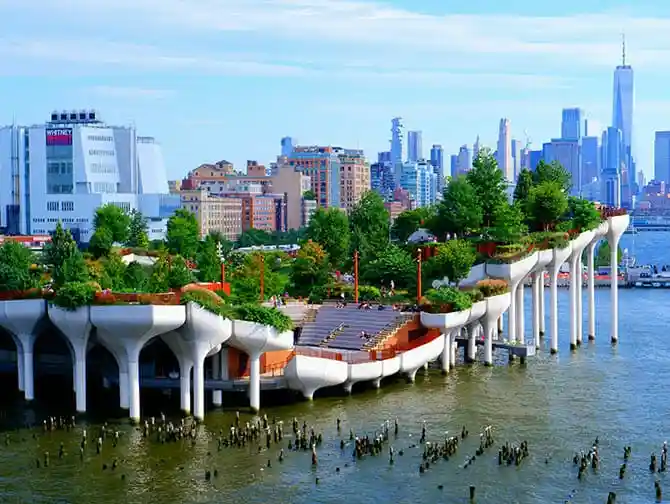
Day 1 – Classic Manhattan, but in Depth
- Central Park
Beyond the famous spots like the lake or Strawberry Fields, Central Park hides corners that many tourists never see. Areas like The Ramble or Conservatory Garden offer quiet walking paths, beautifully maintained gardens, and peaceful spots to pause. Here, you can observe local life—from morning joggers to people reading or walking their dogs—experiencing the park like a true New Yorker. - The Met Cloisters
Located in the northern part of Manhattan, The Met Cloisters is a museum dedicated to medieval art. Its serene setting, surrounded by gardens and European-inspired architecture, makes it much calmer than the main Met. It’s perfect for those who want to immerse themselves in history and art without the crowds. - Upper East Side Cafés and Bookstores
After exploring Central Park and The Met Cloisters, wandering through the Upper East Side provides a more relaxed atmosphere. Small bookstores and cozy cafés invite you to stop, read, or simply watch daily life unfold. It’s the perfect way to end your first day, combining culture, tranquility, and authentic local experiences.
Day 2 – Alternative Culture and Art
- Bushwick Collective (Brooklyn)
Start your day exploring the vibrant street art in Bushwick. While the murals are the main attraction, nearby independent galleries showcase local artists and creative projects that many tourists overlook. This area is perfect for those wondering what can you do in New York beyond typical tourist spots. - Smack Mellon (Brooklyn)
A small contemporary gallery supporting emerging artists, Smack Mellon offers rotating exhibitions that reflect New York’s current creative scene. Spending time here gives visitors a more personal and immersive cultural experience, different from the usual museum visits. - Nuyorican Poets Café (East Village, Manhattan)
End the day with live performances at the Nuyorican Poets Café, a community theater known for poetry, storytelling, and music. This intimate venue allows you to engage with local culture directly, providing an authentic answer to what can you do in New York that goes beyond sightseeing.
Day 3 – Neighborhoods and Food
- Cobble Hill and Carroll Gardens (Brooklyn)
Spend the morning wandering through Cobble Hill and Carroll Gardens, neighborhoods that feel like a step away from the tourist crowds. Tree-lined streets, local bakeries, and small cafés create a calm atmosphere where you can truly absorb what can you do in New York at a slower pace. Walking here gives a sense of everyday life and a more personal connection to the city. - Astoria (Queens)
In the afternoon, head to Astoria, known for its authentic food scene and multicultural vibe. From Greek tavernas to Middle Eastern bakeries, the neighborhood offers plenty of opportunities to taste local flavors. Astoria is an excellent choice for those wondering what to do in NYC when it rains, as many eateries and markets provide shelter while still keeping the experience vibrant and genuine. - Chelsea Market (Manhattan)
Finish the day at Chelsea Market, an indoor food hall filled with artisanal vendors, shops, and local delicacies. It’s a perfect spot for exploring, sampling food, and observing how locals shop and socialize. Visiting places like Chelsea Market shows another side of what can you do in New York, blending culture, cuisine, and everyday life into one experience.
Day 4 – Cultural and Musical Experiences
- National Jazz Museum (Harlem, Manhattan)
Start your day in Harlem at the National Jazz Museum, where you can enjoy intimate performances and educational programs. This venue offers a unique way to experience New York’s rich musical heritage and provides a more personal connection than large concert halls. It’s a perfect example of what can you do in New York beyond the typical tourist path. - The Japan Society (Manhattan)
In the afternoon, visit The Japan Society, a cultural center showcasing exhibitions, workshops, and performances. It’s an immersive way to experience international art and culture while staying indoors—a great answer to what to do in NYC when it rains. The center allows visitors to engage with culture actively, not just observe it. - Community Theaters
End the day with a visit to a small community theater, such as The Flea Theater or Nuyorican Poets Café (if you didn’t go on Day 2). These spaces offer intimate performances and storytelling that reflect the city’s vibrant artistic scene. Experiencing local theater helps you understand what can you do in New York in a way that is interactive, personal, and memorable.
Day 5 – Relaxed Exploration
- Inwood Hill Park (Manhattan)
Start your final day in Inwood Hill Park, located at the northern tip of Manhattan. This park offers a quieter, more natural side of the city, with walking trails and scenic views along the Hudson River. It’s an ideal spot to slow down, reflect on your trip, and see what can you do in New York away from the usual hustle. - New York Public Library – Main Branch (Manhattan)
Next, visit the Main Branch of the New York Public Library. Beyond its impressive architecture, the library provides a calm, contemplative environment. Take time to explore the reading rooms and exhibitions, experiencing a cultural institution in a slower, more personal way. This is also perfect for rainy days, answering what to do in NYC when it rains without sacrificing depth. - Local Cafés and Bookstores
Spend the afternoon revisiting neighborhoods or cafés you enjoyed earlier in the week. Whether it’s grabbing a coffee at a local spot, browsing independent bookstores, or simply strolling quiet streets, these small, repeated experiences help you connect more deeply with the city. By focusing on familiar areas and moments, you’ll leave with a richer understanding of what can you do in New York beyond the typical tourist checklist.
How to balance must-see spots with hidden places
Iconic locations matter, but they do not need to dominate every day. Pairing well-known sights with quieter experiences creates contrast and keeps the trip dynamic. A morning spent visiting a landmark can be followed by an afternoon exploring a neighborhood or spending time indoors.
This balance reshapes expectations around what can you do in New York during a short stay. Rather than choosing between famous and unknown, you allow both to coexist. This strategy is central to understanding what to see in New York in 5 days in a way that feels sustainable.
A smarter way to organize your days without rushing
Exploring New York can quickly become overwhelming if every day is packed with activities scattered across the city. A smarter approach is to group experiences by area, reducing travel time, mental fatigue, and unnecessary stress. Focusing on one section of the city per day allows for deeper exploration, spontaneous discoveries, and the flexibility to adapt when weather changes, especially useful when thinking about what to do in NYC when it rains. By organizing days around experiences rather than strict locations, travelers can uncover authentic moments that make the trip truly memorable.
| Strategy | How to Apply It | Benefits |
|---|---|---|
| Group by Neighborhood | Focus on one neighborhood or borough each day | Less commuting, more time to explore deeply |
| Prioritize Experiences, Not Landmarks | Plan around activities or types of experiences | Encourages flexibility and authentic discoveries |
| Leave Room for Spontaneity | Avoid overloading your schedule | Opens opportunities for unplanned but meaningful moments |
| Account for Weather | Identify indoor options near outdoor activities | Helps answer what to do in NYC when it rains without stress |
| Repeat Favorite Spots | Spend extra time in places you enjoy | Builds familiarity and insight into daily New York life |
Experiences that add depth to a 5-day New York visit
Creating a meaningful experience in New York is less about checking off every landmark and more about building continuity across your days. By revisiting neighborhoods, observing local routines, and allowing yourself to slow down, your trip develops a story rather than just a series of isolated memories. For travelers wondering what to see in New York in 5 days, focusing on experiences that complement each other adds richness and perspective.
Experiences to add depth to your visit:
- Return to favorite neighborhoods
Spend extra time in areas you enjoyed earlier to notice new details and routines. - Observe daily life
Take time to watch how locals move, work, and socialize, it provides context beyond landmarks. - Repeat simple activities
Grab coffee at the same café or stroll the same street at different times of day to see the city’s rhythm. - Mix iconic sights with hidden gems
Balance must see attractions with less-known spots to build a more complete picture of New York. - Include reflective or slow paced moments
Parks, libraries, or quiet streets offer space to process and appreciate your experiences. - Plan complementary experiences
Group activities that connect naturally, like combining a museum visit with nearby local markets or cafés. - Engage in cultural activities
Attend a small performance, gallery, or workshop to add a personal, immersive layer to your trip. - Leave time for spontaneity
Allow unplanned moments to happen, they often become the most memorable.
How to experience New York like someone who knows the city
Experiencing New York “like a local” is not about pretending to live there, but about adopting a mindset. Locals prioritize convenience, familiarity, and personal preference over novelty. Applying this perspective naturally changes what can you do in New York during your stay.
Instead of chasing trends, you follow curiosity. Instead of rushing, you observe. This mindset reduces pressure and increases connection, allowing the city to reveal itself gradually.
Simple habits that change the way you see the city
Sometimes the most memorable experiences in New York come from small, intentional choices rather than big plans. Simple habits can shift the focus from ticking off destinations to truly engaging with the city. By adopting a few mindful practices, travelers can make the city feel more approachable, discover hidden layers, and redefine what can you do in New York in ways that are personal and meaningful.
Simple habits to transform your visit:
- Walk without headphones
Pay attention to sounds, conversations, and street life to experience the city more fully. - Spend time in local cafés
Observe routines, chat with locals, or simply relax in a neighborhood spot rather than rushing. - Return to the same area on multiple days
Repetition creates familiarity, helping you notice subtle details you might otherwise miss. - Slow down your pace
Take fewer destinations per day and allow time for spontaneous discoveries. - Engage with locals
Ask for recommendations or simply observe daily routines to understand the city’s rhythm. - Focus on experiences, not just landmarks
Prioritize meaningful interactions, unique activities, or cultural encounters over checklists.
Why slowing down can reveal a different New York
New York rewards attention. Slowing down creates space for observation, conversation, and reflection. This approach often leads to deeper memories than rushing through famous spots.
Ultimately, understanding what can you do in New York is not about finding something new, but about seeing what is already there with clearer eyes. Whether navigating rainy days, planning what to see in New York in 5 days, or adjusting expectations, the city offers more when you meet it at its own pace.
