
Dealing with sliding gate problems can quickly disrupt the security, access, and daily routine of any residential or commercial property. When an entrance system refuses to slide open, reverses halfway across the driveway, or makes loud grinding noises, finding the root cause is the fastest way to restore proper operation without causing unnecessary wear on mechanical components.
Most automatic access issues stem from recognizable mechanical obstructions, electrical supply interruptions, or misaligned safety components rather than complete system failure. Learning how to diagnose sliding gate problems early allows property owners to resolve simple issues safely, maintain system reliability, and determine when a complex mechanical repair requires the assistance of an experienced gate technician.
1. The gate is stuck or jammed on the track
A physical jam is one of the most frequent mechanical issues affecting residential and commercial properties. Because ground tracks sit flush with the driveway surface, they naturally collect gravel, dried mud, fallen leaves, small branches, and road debris carried in by vehicle tires. When accumulated dirt fills the groove of the track, the bottom guide rollers lose traction, encounter physical resistance, and stop moving altogether.
Beyond basic debris accumulation, physical jams often trace back to bent or warped track sections. Heavy vehicles driving over an exposed metal track can flatten the guide rail, creating uneven high spots that block roller passage. In colder regions, ground settling and frost heave can shift the concrete footer beneath the track, throwing the entire run out of level. If a gate grinds to a halt at the exact same physical spot every cycle, a distorted track profile is almost always the cause.
Resolving a jammed track starts with a thorough visual inspection along the entire travel path. Clearing the metal groove using a stiff-bristled wire broom, followed by pressure washing or industrial vacuuming, eliminates surface obstructions. Homeowners should avoid forcing a jammed gate with the motor running, as prolonged mechanical resistance can strip drive gears, snap roller brackets, or burn out motor windings within minutes.
You might also be interested in: Home Burglary Prevention Tips
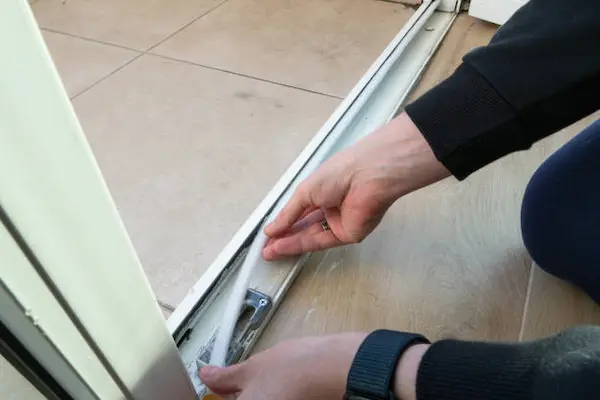
2. Motor is running or clicking but the gate will not move
Hearing an electric motor hum, spin, or click without seeing any physical gate movement points directly to a disconnect between the drive mechanism and the gate panel. In automated systems, the operator uses an output drive cog that connects with a toothed rack mounted along the gate panel, or an internal drive sprocket connected to a heavy-duty roller chain. When internal drive linkages fail, the motor continues to operate while the gate remains stationary.
The most common explanation for this symptom is an engaged manual release key or lever. Most modern operators include a manual override mechanism designed for power outages, allowing users to disengage the internal drive clutch with a physical key. If someone used the manual release and failed to lock the clutch cylinder completely back into automatic drive mode, the motor shaft will spin freely inside the housing without transferring torque to the drive gear.
Mechanical component failure presents identical symptoms. Stripped drive cogs made of composite materials, sheared drive shaft pins, loose drive chains with excessive slack, or worn internal reduction gearboxes prevent torque transfer. If confirming that the manual release clutch is firmly locked does not restore movement, the internal mechanical drive assembly requires professional disassembly to inspect for sheared metal gears or broken drive teeth.
3. The sliding gate stops or reverses unexpectedly
An automatic gate that starts closing, stops abruptly midway, and reverses direction is usually reacting to an activated safety circuit. Automated sliding entrances are equipped with infrared safety beams or photocells mounted near ground level on either side of the opening. If anything interrupts the invisible beam while the panel travels, the logic controller assumes an obstacle is in the path and triggers an immediate safety reversal.
Photocells are highly sensitive to their physical environment. Windblown leaves, blowing paper, accumulated spider webs across the lenses, or mud splattered by passing tires can block optical transmission. Environmental factors like low-angled direct sunlight shining directly into the receiving optical sensor can also blind the infrared photocell, tricking the control board into detecting a continuous obstruction and causing phantom reversals.
Physical alignment issues create similar erratic behavior. Over time, vibration, ground movement, or accidental contact from lawn equipment can knock sensor brackets out of alignment. If the infrared transmitter and receiver fail to face each other across the driveway, the safety circuit remains open. Cleaning sensor housing faces with a damp microfiber cloth and checking that status LED lights show a solid, uninterrupted connection will often resolve sudden reverse cycles immediately.
4. Unusual grinding, squeaking, or scraping noises
Unusual operating sounds provide clear early warnings of mechanical friction and component wear. A healthy automated sliding gate operates with a steady, low-frequency hum from the electric motor and a smooth rolling sound along the steel track. High-pitched squeals, metallic scraping, or rhythmic clunking indicate that moving parts are struggling against friction or operating without proper lubrication.
Metallic squealing usually originates from dry, worn, or unsealed roller bearings inside the bottom wheel assemblies. Sliding gates support significant weight, placing immense downward pressure on bottom roller bearings during every open and close cycle. When internal ball bearings lose grease seals, moisture penetrates the race, washing away lubricants and causing internal steel balls to grind against each other.
Scraping noises point to physical alignment shifts where the gate panel makes contact with stationary guide hardware. If upper guide rollers seize, crack, or fall out of adjustment, the metal frame rubs directly against structural guide posts or security catch brackets. Applying a high-grade silicone lubricant or specialized white lithium grease to roller assemblies and guide tracks reduces surface friction. However, standard penetrating oils like WD-40 should be avoided on load-bearing components because they wash away heavy greases and attract airborne dust.
You might be interested in reading: How to make an Email: The practical guide in 2026
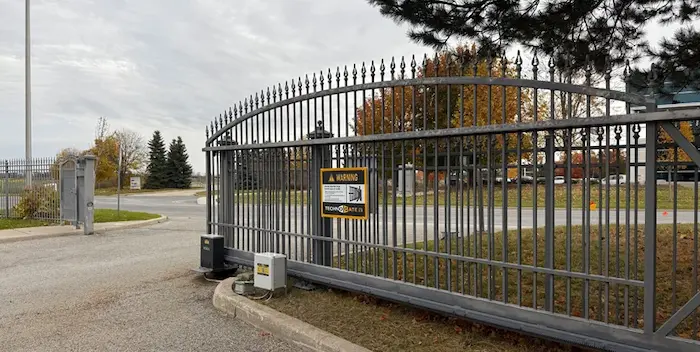
5. Remote control and access keypad unresponsiveness
When an entire access system fails to respond to handheld remotes, wireless keypads, or wall buttons, the breakdown usually lies within the electrical supply or radio frequency receiver network. A completely dead operator that shows no indicator lights, hums, or relay clicks typically indicates a tripped circuit breaker, a blown main control board fuse, or an active surge protector shutoff following an electrical storm.
If wall controls operate the entrance correctly but handheld remotes fail, the problem narrows down to radio signal transmission. Dead or dying remote transmitter batteries are the most common cause. Weak batteries lack sufficient voltage to transmit a stable radio signal, resulting in inconsistent range or complete failure from outside the driveway perimeter. Replacing coin-cell batteries and verifying battery clip contact restores function in most cases.
Radio frequency interference and damaged receiver components represent more complex issues. External radio antennas mounted to the operator housing can loosen, corrode, or suffer wire damage from nesting pests. Nearby commercial radio equipment, faulty wireless home automation hubs, or thick metal building structures can also degrade receiver range. Inspecting the external antenna wire, straightening bent leads, and re-pairing remote transmitters according to manufacturer programming instructions will systematically eliminate wireless communication errors.
6. Step-by-step troubleshooting guide for sliding gates
When diagnosing persistent sliding gate problems, following a structured troubleshooting protocol protects personal safety and prevents secondary damage to sensitive control boards. Systematically isolating mechanical hardware from electrical components helps pinpoint the exact failure point.
You might also be interested in: The Best Home Security Upgrades
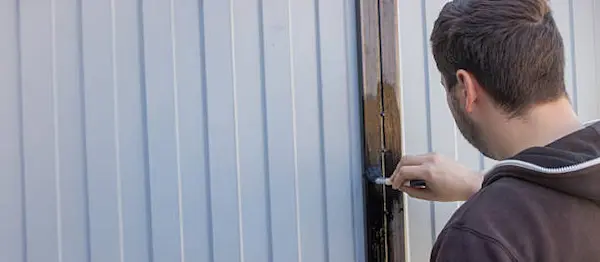
Step 1: Inspect the power source and breaker
Begin by verifying that electrical power reaches the operator. Check the main electrical service panel for tripped circuit breakers supplying the gate circuit. If the breaker is active, open the operator housing to verify that internal power supply LEDs are illuminated. Test the service outlet using a standard multimeter to ensure steady operating voltage, as low line voltage can cause control boards to reset during motor startup.
Step 2: Clear and examine physical tracks
Perform a complete visual and physical check along the full length of the travel path. Remove dirt, pine needles, stones, and buildup from inside the track channel using a heavy broom or shop vacuum. Inspect the track rail for loose mounting anchors, bent flanges, or uneven settling where the track joins driveway pavement. Any physical deviation exceeding a quarter of an inch can stall standard electric gate motors.
Step 3: Test manual release operation
Disengage the motor using the manual release key to disconnect the drive mechanism from the gate panel. Push the gate panel back and forth along the entire track by hand. The gate should glide smoothly with minimal physical effort. If pushing the panel requires excessive force, binds at specific spots, or produces harsh grinding, the failure is purely mechanical, involving damaged bottom rollers, track distortion, or binding top guide brackets.
Step 4: Clean and align safety photocells
Inspect safety photocells mounted on both sides of the driveway opening. Wipe sensor lenses with a clean microfiber cloth to remove dust, spiderwebs, and dried water spots. Check the status indicator lights located on the back or bottom of the receiving photocell housing. A flickering or dark LED indicates alignment loss; loosen mounting screws slightly, adjust the sensor angle until the LED illuminates solid, and tighten mounting hardware securely.
7. Preventive maintenance routine to avoid costly repairs
Establishing a regular preventative maintenance schedule significantly extends the operating life of sliding gates, protects drive motors from premature burnout, and minimizes emergency repair costs. Routine care preserves moving components before minor wear turns into structural failure.
Monthly visual checks and cleaning
Inspect the ground track, guide posts, and gate frame once a month. Clear all debris, leaf litter, and gravel from the track run, paying close attention to travel limit stops at both ends of the opening. Clean optical safety sensor faces and verify that the gate reverses promptly when you wave a test object across the path of the beam during a closing cycle.
Quarterly lubrication and roller inspection
Every three months, inspect bottom load-bearing rollers and upper guide assemblies for signs of uneven wear, cracks, or bearing play. Apply a silicone-based lubricant or specialized heavy-duty spray grease to internal wheel bearings, guide roller pins, and external drive chains. Keep grease away from the top surface of the ground track itself, as wet lubricants on exposed rails attract abrasive road dirt that accelerates roller breakdown.
Bi-annual electrical and safety sensor review
Inspect the operator enclosure twice a year to maintain electrical safety. Turn off power at the main breaker before opening the housing cover. Check for moisture accumulation, wasp nests, ant colonies, or rodent damage around the wiring harness and logic board. Tighten loose terminal screw connections, inspect grounding wires, and replace backup batteries in battery-supported operators to ensure reliable operation during residential power outages.
You might also be interested in: Types of Business Entrances
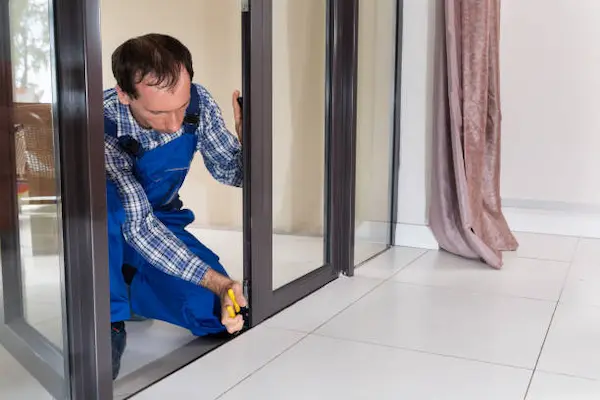
8. When to call a professional gate technician
While clearing tracks, aligning sensors, and replacing transmitter batteries are safe DIY tasks, certain sliding gate problems involve severe mechanical tension, structural hazards, and electrical risks that require specialized tools and professional training. Recognizing when an issue exceeds basic troubleshooting protects both personal safety and property.
Heavy structural repairs should always be handled by professional technicians. When a gate panel sags off level, falls off its track, or suffers structural impact damage from a vehicle collision, realigning several hundred pounds of steel requires industrial jacks, welding tools, and rigging equipment. Attempting to lift or realign heavy cantilever or ground-tracked gates without proper bracing can lead to serious crush injuries or catastrophic component failure.
Internal operator malfunctions, circuit board failures, and high-voltage supply issues also require professional attention. Gate technicians utilize diagnostic tools to measure motor capacitor capacitance, analyze logic board error codes, program digital torque limits, and calibrate anti-entrapment safety devices to UL 325 safety standards. Investing in qualified professional service guarantees that repairs meet local electrical codes and preserves the long-term reliability of your automatic access system.
You might also be interested in: 10 Dream destinations: best places to go on vacation for every budget?
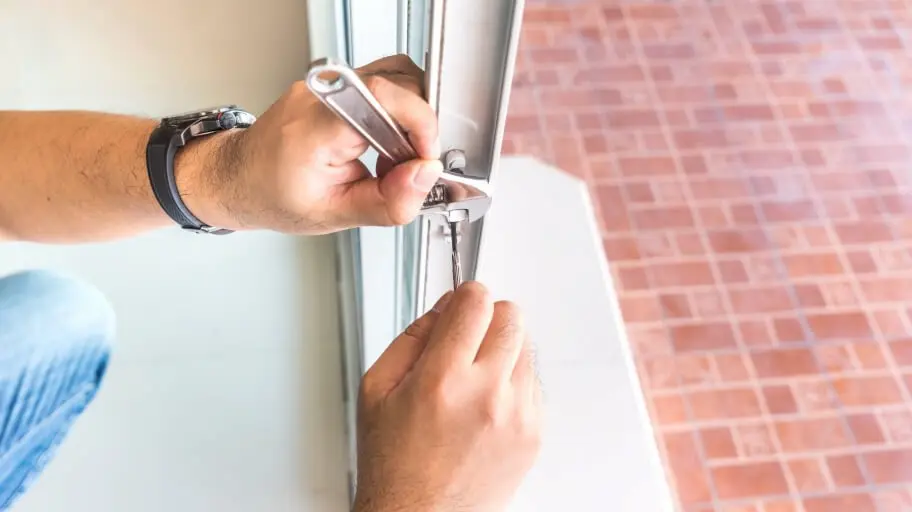
Keeping your sliding gate safe and functional year-round
Maintaining an automatic entrance requires ongoing attention to how small mechanical changes develop over time. A gate that operates smoothly does not just offer daily convenience; it provides dependable perimeter protection and prevents sudden access failures during bad weather or busy hours. Addressing early signs of friction, unusual motor hums, or slight sensor delays immediately keeps minor adjustments from developing into severe structural problems.
The same principle applies to rolling gate maintenance, where regular inspections and timely adjustments can help commercial and residential properties keep their access systems operating reliably. By pairing routine cleaning with prompt attention to operational quirks, property owners can protect their mechanical investment and extend the working lifespan of the entire system. When simple troubleshooting steps no longer resolve sliding gate problems, working alongside qualified technicians ensures the installation remains compliant with safety standards and dependable for years to come.
