
Commercial buildings are the foundation of how businesses operate, grow, and interact with customers especially in a fast-paced environment like the United States. Whether you’re opening a storefront in New York, managing a warehouse, or investing in office space, understanding the different types of commercial buildings can help you make smarter decisions from day one.
In cities like NYC, where space, accessibility, and infrastructure directly impact business performance, choosing the right type of commercial property is not just about location, it’s about functionality, customer experience, and long-term scalability. This guide will walk you through the most important types of commercial buildings, what they’re used for, and how to choose the right one for your business.
You might be interested in reading: Top 15 business security system companies in NYC
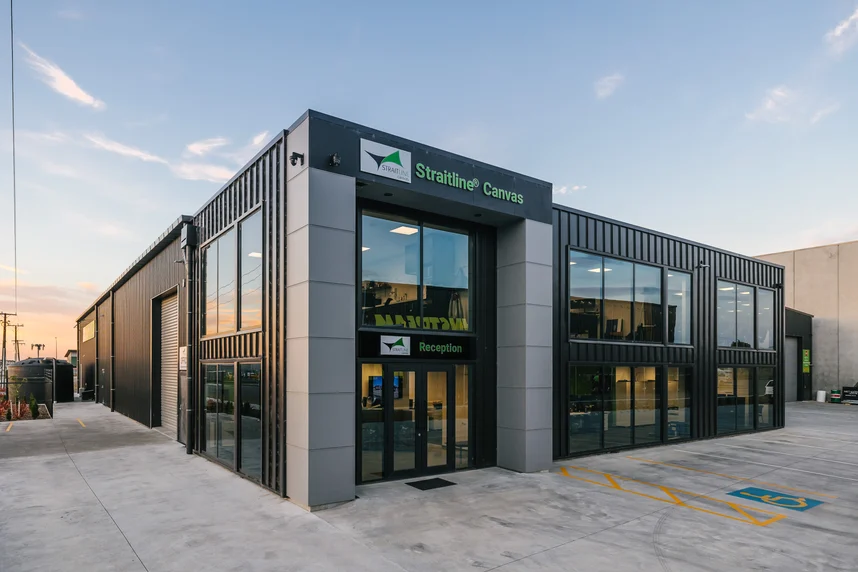
What is the meaning of a commercial building?
Before exploring the different types, it’s important to understand what a commercial building actually is and why it plays such a critical role in business operations.
A commercial building is any property used for business purposes rather than residential living. These spaces are designed to support activities such as retail, services, logistics, or corporate operations. In the U.S., commercial buildings are often classified based on how they are used, their size, and their infrastructure.
You might be interested in reading: Best ways to secure a storefront NYC

How commercial buildings differ from residential properties
Understanding the difference between commercial buildings and residential properties is essential for anyone looking to start or grow a business in the United States. While both are types of real estate, they serve completely different purposes, operate under different regulations, and are designed with distinct functionalities in mind.
In simple terms, commercial buildings are built for business activities, while residential properties are designed for living. However, the differences go far beyond that. From zoning laws and infrastructure to customer flow and operational requirements, commercial buildings are structured to support business performance, scalability, and public interaction especially in high-demand markets like New York City.
1. Purpose and use of commercial vs residential buildings
One of the most fundamental differences lies in how the property is used.
Commercial buildings are designed for:
- retail stores
- offices
- warehouses
- service-based businesses
These spaces are built to accommodate business operations, customer interaction, and employee workflows.
On the other hand, residential properties are meant for:
- housing
- personal living
- private use
They are not optimized for high traffic, business infrastructure, or commercial activity.
In cities like NYC, using a residential property for business without proper authorization can lead to legal issues, making this distinction even more important.
2. Zoning laws and legal requirements in the United States
Another major difference between commercial buildings and residential properties is how they are regulated.
In the U.S., zoning laws determine:
- where businesses can operate
- what type of activity is allowed
- how a property can be used
Commercial zoning allows:
- business operations
- signage and advertising
- higher foot traffic
Residential zoning restricts:
- commercial activity
- public access
- structural modifications for business use
For example, opening a storefront in a residential zone in New York is not permitted unless specific approvals are obtained.
This makes commercial buildings the only viable option for most business operations.
3. Infrastructure and design for business operations
Commercial buildings are specifically designed to support business functionality.
This includes:
- multiple access points
- loading and unloading areas
- durable materials for heavy use
- space planning for operations and customer flow
In contrast, residential properties are built for comfort, privacy, and everyday living—not for operational efficiency.
For example, a retail business requires:
- easy entry and exit
- visibility from the street
- efficient internal layout
These elements are rarely present in residential spaces.
4. Foot traffic and customer accessibility
A key advantage of commercial buildings is their ability to handle high foot traffic and customer interaction.
Commercial spaces are typically located in:
- busy streets
- commercial districts
- high-visibility areas
This is especially important in cities like New York, where customer flow directly impacts revenue.
Residential properties, on the other hand:
- are located in quieter areas
- are not designed for public access
- lack visibility for business growth
For businesses that rely on walk-in customers, choosing a commercial building is essential.
5. Financial structure and investment differences
The financial aspect also varies significantly between commercial and residential properties.
Commercial buildings:
- often require higher initial investment
- generate income through business activity
- have longer lease agreements
Residential properties:
- are typically less expensive
- generate income through rent (if applicable)
- have simpler financing structures
However, commercial spaces often provide higher returns due to their business potential, especially in prime locations.
You might be interested in reading: How to protect identity theft and secure your future in 2026
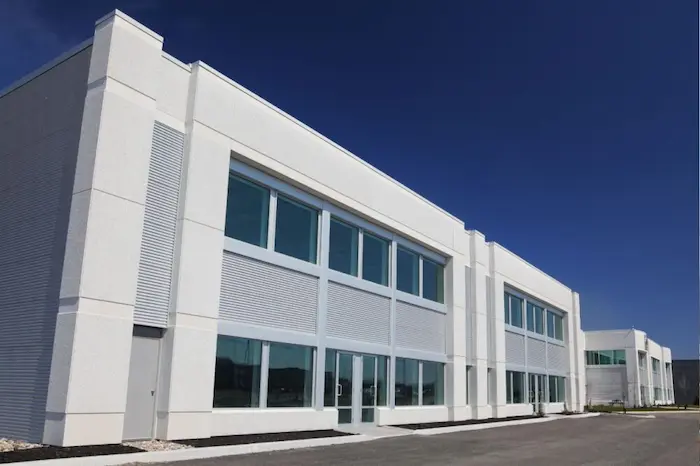
Why choosing the right commercial building matters
Choosing the right commercial building is one of the most important decisions a business owner can make, especially in competitive markets like the United States. It’s not just about finding a place to operate, it’s about selecting a space that supports your business goals, enhances customer experience, and allows your operations to run efficiently from day one.
The type of commercial building you choose can influence everything from how customers perceive your brand to how smoothly your daily activities function. In cities like New York, where competition is high and space is limited, making the right choice can be the difference between growth and constant limitations.
1. Impact on customer experience and first impressions
Your commercial space is often the first physical interaction customers have with your brand. The type of building you choose directly affects how your business is perceived.
A well-located and properly structured commercial building can:
- attract more walk-in customers
- create a professional and trustworthy image
- improve overall customer experience
On the other hand, a poorly chosen space may:
- limit visibility
- make access difficult
- reduce customer engagement
In high-traffic cities like NYC, first impressions can determine whether a customer walks in or keeps moving.
2. Influence on daily operations and efficiency
The layout and structure of a commercial building play a major role in how efficiently your business operates.
A suitable commercial space allows:
- smooth customer flow
- efficient staff movement
- proper organization of equipment and inventory
For example, businesses that rely on logistics or frequent deliveries need buildings with accessible entry points and functional layouts. Without this, operations can become slow, disorganized, and costly over time.
Choosing the right building ensures that your business runs efficiently without unnecessary obstacles.
3. Role in business growth and scalability
A commercial building should not only meet your current needs but also support your future growth.
The right property allows you to:
- expand your operations
- adapt to increased demand
- avoid relocating too soon
Many businesses in the U.S. face challenges because they choose spaces that are too limited. As they grow, they are forced to move, which increases costs and disrupts operations.
Planning ahead by choosing the right commercial building helps you scale more effectively.
4. Effect on security and accessibility
Although not the main focus, security and accessibility are essential factors influenced by the type of commercial building.
A well-designed commercial property provides:
- controlled access points
- safe entry and exit for customers and staff
- infrastructure that supports protection and functionality
Accessibility also plays a key role, especially in urban environments. Businesses must ensure that customers can easily enter and interact with the space without obstacles.
These factors directly impact both safety and customer satisfaction.
5. Financial implications and long-term investment
Choosing the wrong commercial building can lead to higher costs over time.
This includes:
- inefficient use of space
- costly modifications
- operational limitations
On the other hand, selecting the right property can:
- maximize return on investment
- reduce maintenance issues
- support stable business growth
In the U.S., where commercial real estate can be expensive, making a smart decision from the beginning is essential for long-term profitability.
You might be interested in reading: Top 10 benefits of automatic security gates for homes and businesses
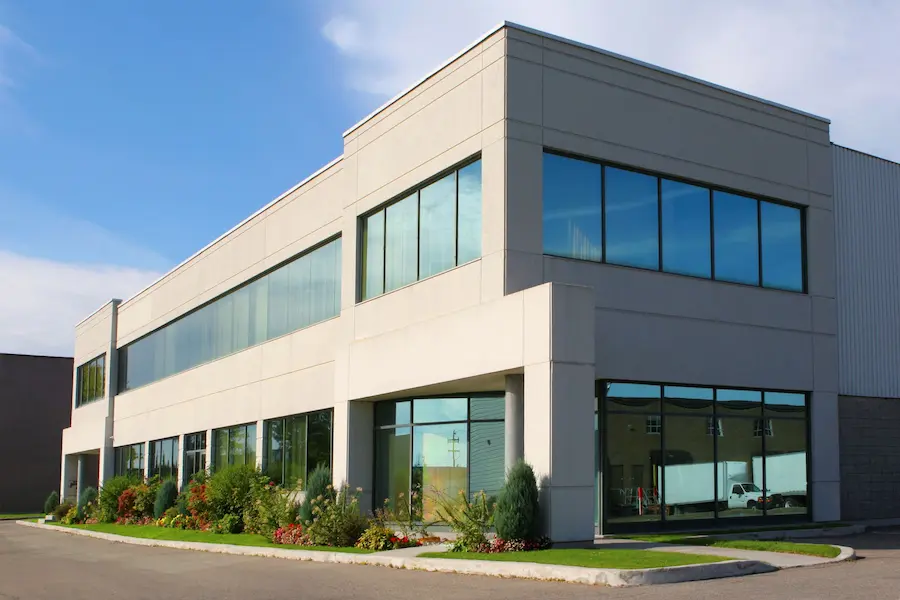
Types of commercial buildings
Understanding the different types of commercial buildings is essential for any business owner, investor, or entrepreneur planning to operate in the United States. Each type of building is designed with a specific purpose in mind, and choosing the right one can directly impact how your business performs, grows, and interacts with customers.
In markets like New York City, where competition is high and space is limited, the type of commercial building you choose goes beyond just location. It influences visibility, accessibility, operational flow, and even how your brand is perceived. From customer-facing storefronts to large industrial facilities, every category serves a different business model and requires a different approach.
1. Retail buildings (storefronts and shops)
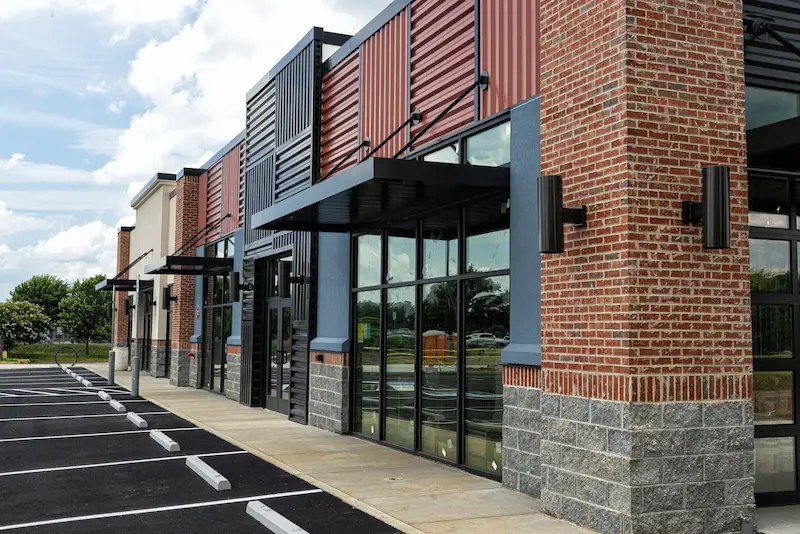
Retail buildings are specifically designed for businesses that rely on direct interaction with customers. These spaces are built to attract attention, encourage walk-ins, and create a strong first impression. In cities like New York, where foot traffic plays a crucial role in sales, retail buildings are typically located in high-visibility areas such as main streets, shopping districts, or busy avenues.
2. Office buildings
Office buildings are designed to support administrative, professional, and corporate activities. Unlike retail spaces, they are not focused on attracting walk-in customers but rather on providing an efficient and comfortable work environment for employees.
In the United States, office buildings are often classified into different categories based on quality, location, and amenities. High-end office spaces, often referred to as Class A, offer modern infrastructure, premium locations, and advanced facilities. Mid-range and more budget-friendly options provide functional workspaces with fewer amenities but still support daily operations effectively.
3. Industrial buildings
Industrial buildings are built for functionality, efficiency, and large-scale operations. These commercial buildings are commonly used for storage, manufacturing, and distribution, making them essential for logistics-driven businesses.
Unlike other types of commercial properties, industrial spaces are not designed with aesthetics or customer experience in mind. Instead, they focus on practicality. High ceilings, wide access points, and large open areas allow businesses to store goods, operate machinery, and manage supply chains effectively.
4. Mixed-use buildings
Mixed-use buildings combine residential and commercial functions within the same property, making them a common solution in densely populated urban areas like New York City. These buildings are designed to maximize space and create environments where people can live, work, and shop in the same location.
Typically, the lower levels are used for commercial purposes such as retail stores, restaurants, or service businesses, while the upper floors are dedicated to residential units or office spaces. This combination creates a constant flow of potential customers and allows businesses to operate in highly active environments.
5. Hospitality buildings
Hospitality buildings are designed for businesses that focus on service, experience, and customer interaction. These include hotels, restaurants, bars, and other establishments where the customer journey is a central part of the business model.
Unlike other commercial buildings, hospitality spaces must balance functionality with ambiance. Layout, design, and flow are carefully planned to enhance the customer experience, ensuring comfort, efficiency, and satisfaction.
Comparison of commercial building types
| Type of Building | Main Use | Customer Interaction | Best For |
| Retail | Selling products | High | Stores, boutiques |
| Office | Administrative work | Low | Agencies, corporations |
| Industrial | Storage/production | Very low | Logistics, manufacturing |
| Mixed-use | Combined purposes | Medium | Urban businesses |
| Hospitality | Services | High | Restaurants, hotels |
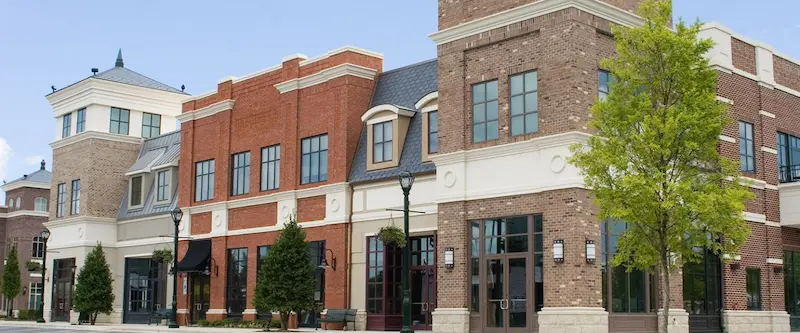
How to choose the right commercial building for your business
Choosing the right commercial building is one of the most important decisions a business owner can make, especially in competitive markets like the United States. It’s not just about finding a space that looks good or fits your budget, it’s about selecting a property that supports your operations, attracts the right customers, and allows your business to grow over time.
In cities like New York, where commercial real estate is highly competitive and expensive, making the wrong choice can limit your potential and increase operational challenges. On the other hand, selecting the right type of commercial building can improve efficiency, enhance customer experience, and strengthen your brand presence.
1. Understand your business needs and type of operation
Before choosing any commercial building, it’s essential to clearly define what your business actually requires. Different industries have different operational needs, and selecting the wrong type of space can create long-term limitations.
For example, a retail business depends heavily on visibility and foot traffic, while a logistics or warehouse-based business requires space, accessibility, and efficient movement of goods. Office-based companies, on the other hand, prioritize internal layout, comfort, and productivity.
2. Evaluate location and commercial building visibility
Location is one of the most critical factors when choosing a commercial building, particularly in urban areas like New York. A well-located property can significantly increase customer traffic, while a poor location can limit exposure and reduce opportunities.
Visibility plays a major role, especially for businesses that rely on walk-in customers. Being situated in a high-traffic area, near main streets or commercial zones, can make a big difference in performance.
3. Consider accessibility and entry points for operations
Another important factor when selecting a commercial building is how accessible and functional the space is for both customers and daily operations.
This includes evaluating:
- how people enter and exit the building
- how goods are received or delivered
- how the internal flow supports your activities
For many businesses, especially in retail and logistics, having efficient entry points is essential. Poor access can slow down operations, create congestion, and negatively impact customer experience.
4. Analyze costs and long-term investment value
Choosing a commercial building is not just about the initial cost—it’s about understanding the long-term financial impact.
Many business owners make the mistake of focusing only on rent or purchase price, without considering:
- maintenance costs
- required modifications
- operational inefficiencies
A cheaper space may end up costing more over time if it doesn’t meet your needs. On the other hand, investing in the right commercial building can improve efficiency, reduce issues, and generate better returns in the long run.
5. Plan for business growth and scalability
Your business will evolve, and your commercial space should be able to grow with it. Choosing a building that only fits your current needs can limit your expansion and force you to relocate sooner than expected.
A scalable commercial building allows you to:
- increase operations
- adapt to higher demand
- reorganize your space as needed
Planning ahead ensures that your investment supports your business not just today, but in the future as well.
6. Check infrastructure and operational functionality
Beyond location and size, the internal structure of a commercial building plays a key role in how well your business operates.
This includes:
- layout efficiency
- structural design
- support systems for daily use
A well-structured building improves workflow, reduces inefficiencies, and creates a more productive environment for both employees and customers.
Ignoring these factors can lead to operational challenges that affect your business performance over time.
You might be interested in reading: What can you do in New York that most tourists completely miss?
Why commercial buildings play a key role in business success
Commercial buildings play a fundamental role in how businesses operate, grow, and compete especially in markets as demanding as the United States. More than just physical spaces, commercial buildings are strategic assets that directly influence performance, visibility, and long-term profitability.
In cities like New York, where competition is intense and every decision matters, the type of commercial building you choose can shape your entire business trajectory. From attracting customers to supporting daily operations, the right environment creates opportunities, while the wrong one can become a constant limitation.
1. How commercial buildings impact brand perception
The physical space of a business is often the first point of contact with customers, making it a key factor in how your brand is perceived.
A well-designed and properly located commercial building can:
- create a strong first impression
- communicate professionalism and trust
- attract more potential customers
In contrast, a poorly maintained or hard-to-access location can negatively affect how people view your business, regardless of the quality of your products or services.
In highly visual and competitive environments like NYC, brand perception is closely tied to the physical presence of your business.
2. The role of commercial buildings in operational efficiency
The structure and layout of commercial buildings directly influence how efficiently a business runs on a daily basis.
A well-suited space allows:
- smoother workflow
- better organization
- improved productivity
For example, businesses that rely on customer flow, deliveries, or internal coordination benefit greatly from spaces designed to support those activities.
On the other hand, a poorly chosen commercial building can create bottlenecks, delays, and operational challenges that affect performance over time.
3. Commercial building location and business visibility
Location remains one of the most powerful factors in business success, and commercial buildings play a central role in this.
Being located in a high-traffic area can:
- increase brand exposure
- drive more walk-in customers
- improve overall sales potential
In cities like New York, where foot traffic varies significantly by area, choosing the right commercial building location can dramatically influence business results.
Visibility is not just about being present, it’s about being seen by the right audience at the right time.
4. How commercial buildings support business scalability
A key aspect of business success is the ability to grow, and commercial buildings must support that growth.
The right space allows businesses to:
- expand operations
- adapt to increased demand
- restructure layouts as needed
Choosing a commercial building with scalability in mind prevents the need for frequent relocations, which can be costly and disruptive.
In the U.S., where growth opportunities can arise quickly, having a flexible and adaptable space is a major advantage.
5. The importance of functionality and business environment
Commercial buildings also determine how functional and practical your business environment is.
This includes:
- ease of access
- internal organization
- overall usability of the space
A functional commercial building creates a better experience for both customers and employees, contributing to smoother operations and higher satisfaction levels.
In contrast, a space that lacks functionality can lead to inefficiencies, frustration, and lost opportunities.
