
If you own or manage a storefront NYC, security is probably something you think about more often than you’d like and for good reason. Running a business in New York comes with incredible opportunities, but it also means dealing with real risks like theft, vandalism, and after-hours incidents.
The truth is, many business owners only take action after something happens. But securing your storefront nyc isn’t just about reacting, it’s about preventing problems before they start. Whether you run a retail shop, restaurant, or commercial space, having the right security setup can make all the difference in protecting your investment and giving you peace of mind.
Let’s break down the most effective ways to keep your storefront nyc safe, practical, and ready for anything NYC throws at it.
You might also be interested in reading: How to protect identity theft and secure your future in 2026
What is a storefront?
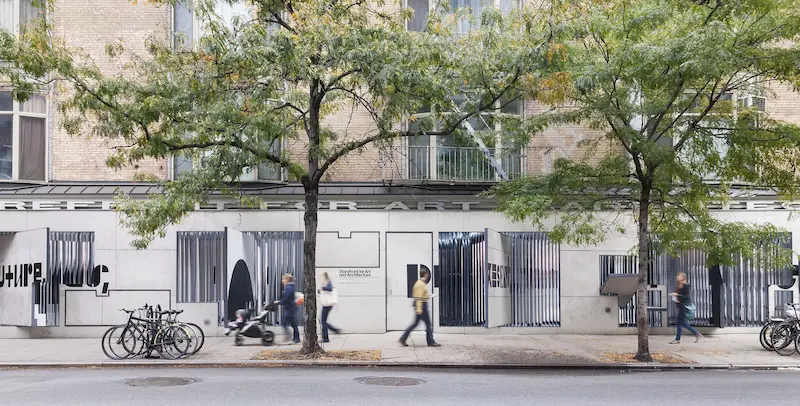
A storefront is the physical front-facing space of a business, the area that directly connects with customers and shapes their first impression before they even step inside. It includes the entrance, display windows, signage, and overall exterior presentation, all working together to communicate what the business is about and what customers can expect.
In a city like New York, a storefront NYC goes far beyond being just a location. It becomes a key part of the brand identity and customer experience, influencing how people perceive the business from the outside. A well-maintained and thoughtfully designed storefront can attract attention, build trust, and encourage foot traffic, while a neglected or poorly structured one can have the opposite effect.
You might also be interested in reading: Urban property security risks across US cities
Why storefront security matters in NYC?
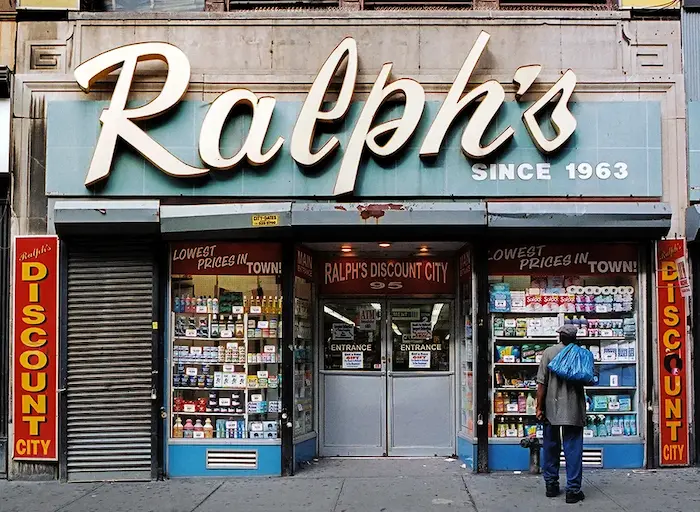
When it comes to a storefront NYC, security isn’t optional, it’s part of doing business. High foot traffic, dense urban areas, and constant activity mean your property is always exposed, especially after closing hours.
1. High exposure increases risk for businesses
New York storefronts are constantly visible and accessible. While this is great for attracting customers, it also makes them more vulnerable to unwanted attention.
A poorly secured storefront can quickly become a target, especially in busy commercial areas where incidents can happen fast and often go unnoticed.
2. Security impacts your business reputation
Customers notice more than just your products; they also pay attention to how safe and well-maintained your business looks.
A secure storefront sends a message of professionalism, trust, and stability. On the other hand, visible damage or weak security can create doubt and discourage potential customers.
3. Preventing losses is always cheaper than reacting
Fixing damage, replacing stolen items, or dealing with business interruptions can be costly.
Investing in proper security upfront helps you avoid larger expenses down the line and keeps your operations running smoothly.
You might also be interested in reading: Top 10 benefits of automatic security gates for homes and businesses
Common security risks for a storefront NYC
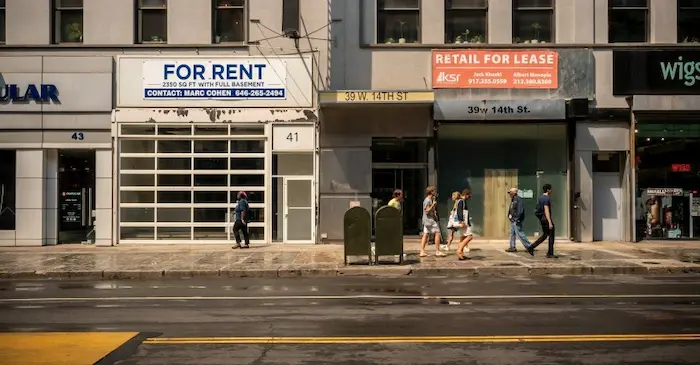
When managing a storefront NYC, understanding potential risks isn’t just helpful, it’s essential. Many business owners assume that having a basic setup is enough, but in a city like New York, exposure is constant and risks evolve quickly.
From late-night incidents to gradual wear and tear, security issues don’t always come from one big event. Often, they build up over time due to overlooked details, lack of maintenance, or weak protection systems.
By identifying the most common risks early on, you can take proactive steps to avoid costly damage, business interruptions, and safety concerns.
1. After-hours break-ins and forced entry
One of the most common threats to any storefront NYC occurs outside of business hours. When foot traffic drops and streets become quieter, businesses are more vulnerable to break-ins.
Because of this, having a reliable and well-maintained security system is critical. Many business owners rely on professional solutions like a roller door service in New York to ensure their storefront remains properly secured and resistant to forced entry.
2. Vandalism and property damage in high-traffic areas
In a busy environment like NYC, storefronts are constantly exposed not just to customers, but also to random damage and intentional acts like vandalism.
Graffiti, broken glass, scratches, and structural damage can happen overnight or even during operating hours. Beyond the repair costs, these issues can quickly affect how your business is perceived.
3. Worn-out or poorly maintained security systems
Not all risks are immediate. Some of the biggest problems come from systems that gradually stop functioning as they should.
Over time, components can wear down, lose alignment, or become less responsive. This reduces their effectiveness and can create vulnerabilities without obvious warning signs.
Regular inspections and maintenance are key to preventing these issues. Ignoring small faults can lead to bigger failures, especially when your business depends on reliable daily operation.
4. Weak physical barriers and outdated protection
A storefront that relies on outdated or low-resistance materials is significantly more exposed to damage or intrusion.
Older systems may not meet current security standards, making them easier to tamper with or bypass. In contrast, stronger and more modern solutions provide better resistance and durability.
5. Lack of layered security measures
Relying on a single security element is one of the most common mistakes. No matter how strong one system is, it should always be supported by additional layers of protection.
For example, combining physical barriers with proper lighting, monitoring systems, and routine checks creates a more complete and security setup.
6. Delayed response to early warning signs
Many business owners overlook early indicators of potential issues, unusual noises, slower operation, or minor visible damage. These signs may seem insignificant at first, but they often point to underlying problems that can escalate if ignored. Acting early not only prevents more serious damage but also reduces costs and downtime.
You might also be interested in reading: What can you do in New York that most tourists completely miss?
Best security solutions for a storefront NYC
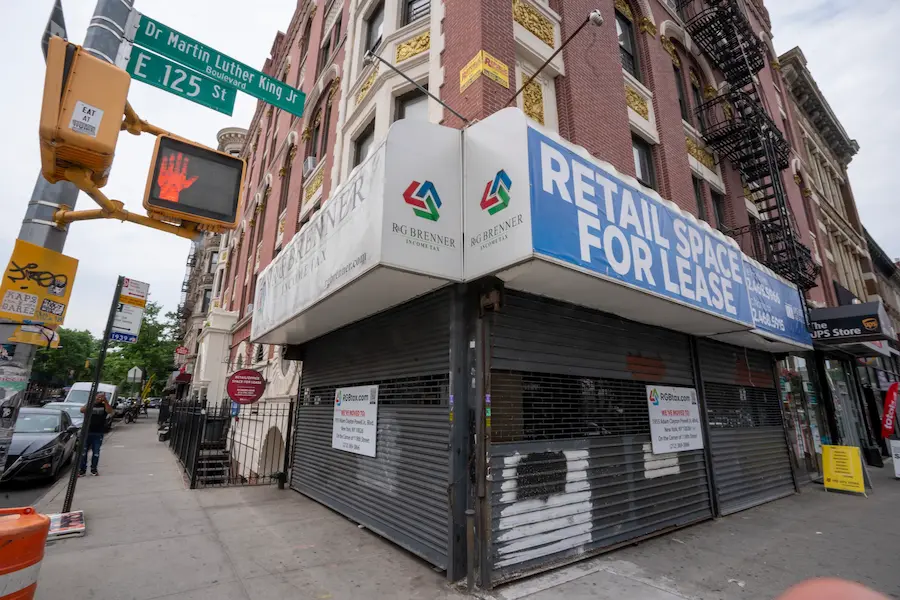
Once you understand the risks involved in managing a storefront NYC, the next step is choosing the right security solutions to protect your business effectively. The key here isn’t just adding more security, it’s making smarter decisions based on your specific environment, location, and daily operations.
In a city like New York, where exposure is constant and conditions can change quickly, having a well-thought-out security setup can make a huge difference. The goal is to create a system that not only protects your property but also works consistently without interruptions.
Let’s break down the most effective ways to strengthen your storefront without overcomplicating the process.
1. Reinforce physical barriers for stronger protection
One of the most reliable ways to secure a storefront NYC is by strengthening its physical structure. Your storefront is your first line of defense, so it needs to be built to resist impact, pressure, and potential tampering.
This includes reinforced entry points, high-resistance materials, and properly installed protection systems. A strong physical barrier doesn’t just delay intrusion it can prevent it entirely.
Many businesses choose to work with a trusted steel door company in NYC to ensure their storefront is equipped with durable and secure solutions that meet commercial standards.
2. Use layered security instead of relying on one solution
Relying on a single security measure can leave your business exposed. The most effective storefront NYC setups combine multiple layers of protection that work together.
This may include:
- Physical barriers
- Exterior lighting
- Surveillance systems
- Alarm monitoring
Each layer adds an extra level of protection, making it significantly harder for incidents to occur.
3. Keep all security components properly maintained
Even the most advanced systems can fail if they’re not properly maintained. Over time, daily use, weather conditions, and general wear can affect performance.
Routine inspections allow you to detect issues early such as slow operation, unusual noises, or structural misalignment before they become serious problems.
Consistency in maintenance ensures your storefront nyc security remains reliable every day, not just when it’s new.
4. Upgrade outdated security systems when needed
Older systems may no longer meet current security demands. What worked a few years ago might now be easier to bypass or less effective in high-risk environments like NYC.
Upgrading to more modern solutions improves both performance and durability. Newer systems are designed to handle higher usage, provide better resistance, and adapt to changing conditions.
5. Improve visibility and lighting around your storefront
A well-lit storefront is less likely to be targeted. Darkness creates opportunities, while visibility acts as a natural deterrent.
Installing proper exterior lighting around entrances and key areas helps reduce blind spots and increases overall security. It also improves the perception of safety for customers and staff.
You might also be interested in reading: 50 best places to live in US 2026
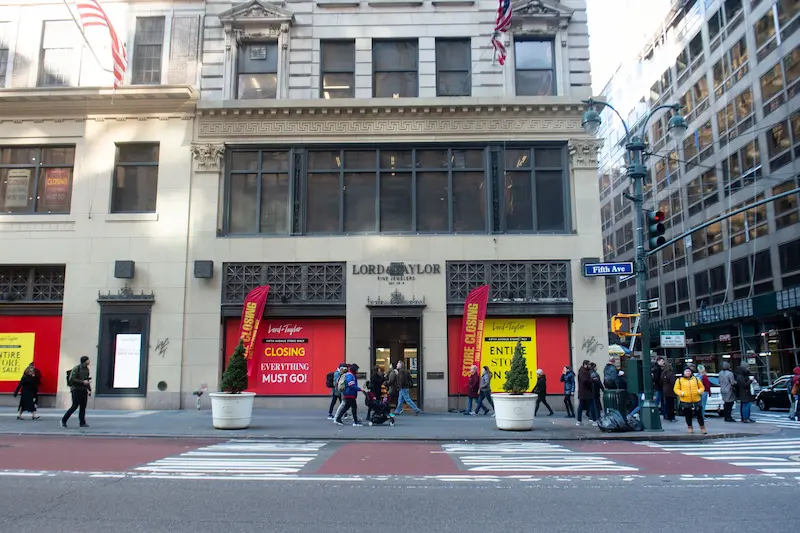
How much is a storefront in NYC?
When planning a business in New York, one of the first questions that comes up is cost. And while there’s no fixed answer, understanding how much a storefront NYC can cost helps you set realistic expectations and make better decisions.
Prices can vary significantly depending on location, size, and the type of business you’re running. A storefront in a high-traffic area like Manhattan will naturally be more expensive than one in less central neighborhoods.
1. Location is the biggest cost factor
The price of a storefront in NYC depends heavily on where it’s located. Areas with high foot traffic and strong commercial demand tend to have much higher rental or purchase costs.
For example:
- Prime areas (Manhattan, SoHo, Times Square) → higher investment
- Secondary areas (Brooklyn, Queens) → more flexible pricing
👉 The more visibility, the higher the cost.
2. Size and condition affect the final price
A larger storefront or one that requires renovation will increase your overall investment.
If the space needs upgrades such as security improvements, structural adjustments, or design changes these costs should be considered from the beginning.
3. Additional costs beyond rent or purchase
Many business owners underestimate the extra costs involved, such as:
- Permits and licenses
- Security installations
- Maintenance and repairs
👉 These expenses are part of running a storefront NYC and should be included in your budget.
You might also be interested in reading: Top 15 security challenges of 2026
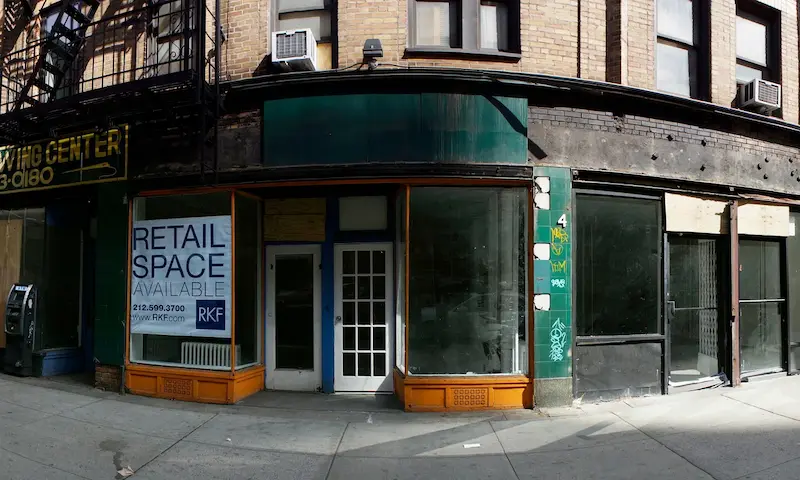
How to improve your storefront security without overspending
Securing a storefront NYC doesn’t always require a massive budget or a complete overhaul. In fact, many business owners make the mistake of overspending on unnecessary upgrades while overlooking simple, high-impact improvements that could make a real difference.
The key is to focus on smart, strategic decisions prioritizing what actually reduces risk and improves protection in the long run. A well-planned approach allows you to strengthen your storefront without disrupting your operations or stretching your budget.
1. Focus on high-impact upgrades first
When working with a limited budget, it’s important to identify the areas that matter most. Not all upgrades provide the same level of protection, so prioritizing is essential.
Start with your main entry points; these are typically the most exposed and most targeted. Reinforcing these areas can immediately reduce your risk and improve overall security.
For example, investing in durable systems like commercial rolling gates in Long Island has become a common solution for businesses looking to balance cost and protection while securing high-traffic storefronts.
2. Avoid temporary fixes that lead to bigger problems
Quick repairs or temporary solutions might seem like a good way to save money, but they often create more issues over time.
A poorly fixed component or a low-quality replacement can fail unexpectedly, leading to additional damage or even downtime for your business. In many cases, what seemed like a small saving turns into a larger expense.
3. Think long-term, not just immediate cost
It’s easy to focus on upfront costs, especially when managing a business. However, security should be seen as a long-term investment rather than a one-time expense.
Durable systems, proper installation, and regular maintenance may require a slightly higher initial cost, but they significantly reduce the need for constant repairs or replacements.
4. Prioritize maintenance to avoid unexpected expenses
One of the most cost-effective ways to improve security is simply maintaining what you already have.
Routine checks can help you catch small issues early—before they turn into expensive problems. Misalignment, wear, or delayed operation can all impact performance and create vulnerabilities.
5. Upgrade strategically instead of all at once
Trying to upgrade everything at the same time can be overwhelming and unnecessary. A phased approach allows you to improve your storefront step by step. Start with critical areas, then gradually enhance other elements as needed. This method not only spreads out costs but also gives you better control over your security investments.
Frequently asked questions about storefront NYC
If you’re planning, upgrading, or managing a storefront NYC, it’s normal to have questions about costs, security, and best practices. Here are some of the most common concerns business owners have.
1. How can I make my storefront NYC more secure?
Improving the security of a storefront NYC starts with understanding your vulnerabilities. Reinforcing entry points, maintaining your systems regularly, and combining different layers of protection can significantly reduce risks. The goal is to create a setup that is both strong and reliable without affecting daily operations.
2. What is the most important security feature for a storefront?
There isn’t a single solution that works for every business, but strong physical protection is usually the foundation. A secure structure, combined with proper lighting and monitoring, creates a more complete and effective system. The key is making sure all elements work together rather than relying on just one.
3. Is storefront security expensive in New York?
The cost of securing a storefront NYC can vary depending on the type of business, location, and level of protection needed. However, investing in the right solutions early often helps avoid higher costs related to damage, repairs, or business interruptions in the future.
4. How often should I check my storefront security?
Regular checks are essential to keep everything working properly. Small issues like wear, misalignment, or delayed response can develop over time and create risks if ignored. Staying consistent with maintenance helps prevent unexpected problems and ensures your storefront remains protected.
5. Why is storefront security important for small businesses?
For small businesses, a storefront NYC is often one of the most valuable assets. Proper security not only protects physical property but also helps maintain customer trust and business continuity. A secure storefront creates a safer environment for both owners and customers.
6. What should I consider before upgrading my storefront?
Before making any upgrades, it’s important to evaluate your current setup, identify weak points, and understand your specific business needs. Focusing on practical improvements that provide long-term value will help you make better decisions and avoid unnecessary expenses.
