
In a world where almost everything we do is connected to the internet, protecting personal information is no longer optional. From online banking to social media and even simple purchases, your identity is constantly being shared, stored, and sometimes exposed. This is why understanding how to protect identity theft has become a basic necessity, not just for businesses or tech savvy users, but for anyone who wants to maintain control over their life and finances.
Many people believe identity theft is something rare or difficult to experience, but the reality is quite different. With the growth of digital platforms, cybercriminals have found more ways to access personal data. Learning how to protect identity theft is not about fear, it’s about awareness and smart decision making in everyday situations.
You might be interested in: 10 Dream destinations: best places to go on vacation for every budget?
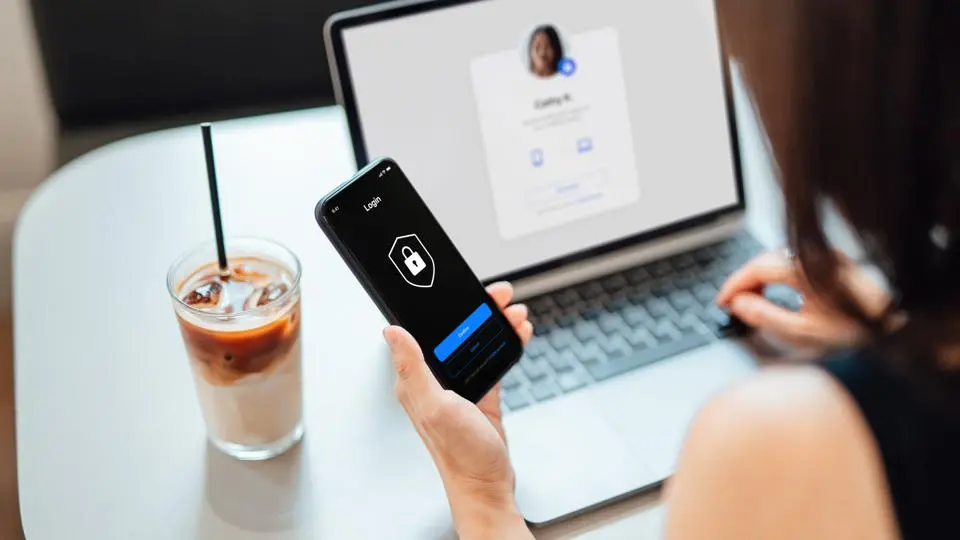
What is identity theft and why it matters today
Identity theft happens when someone uses your personal information without your permission, usually for financial gain. This can include your name, ID number, bank details, or even your login credentials. Once someone gains access to this information, they can open accounts, make purchases, or commit fraud in your name.
Today, identity theft matters more than ever because our information is spread across multiple platforms. A single weak point, like a reused password or a suspicious link, can expose more than you think. That’s why learning how to protect identity theft is essential if you want to avoid long-term consequences.
Beyond financial losses, identity theft can also damage your reputation, affect your credit score, and take months or even years to resolve. Having a clear understanding of id theft protection allows you to stay ahead and reduce the chances of becoming a victim.
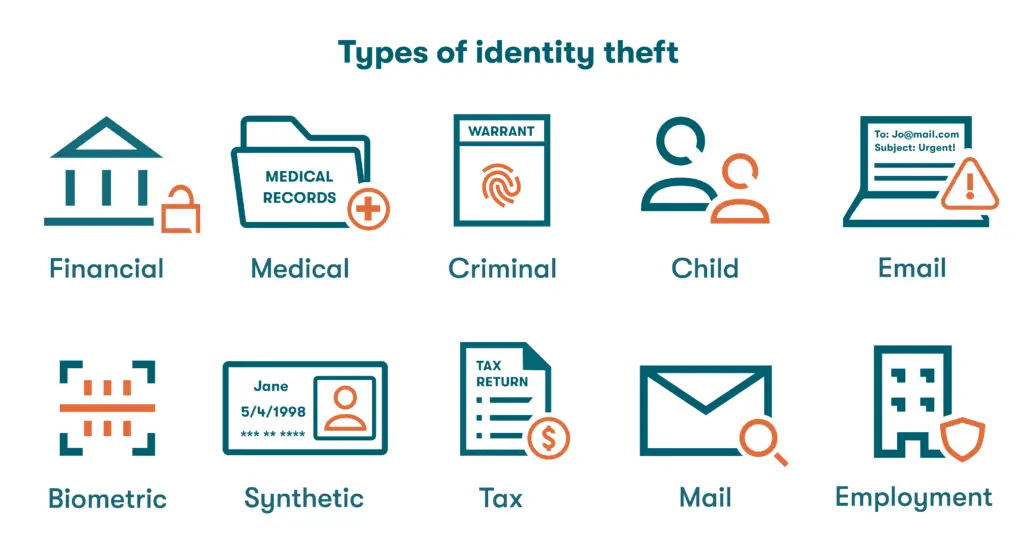
Common types of identity theft you should recognize
In today’s digital world, your personal information is constantly being shared, stored, and sometimes exposed without you even noticing. From online purchases to social media activity, every interaction leaves a trace that can be valuable to the wrong person. That’s why learning how to protect identity theft has become essential for anyone who wants to stay in control of their finances and personal data.
Many people assume this only happens in extreme cases, but the reality is that small, everyday actions, like using the same password or clicking on an unfamiliar link, can increase your risk. Building awareness and adopting simple habits is the foundation of effective id theft protection, allowing you not only to prevent potential threats but also to feel more confident and secure in your daily digital life.
- Financial identity theft: This is the most common type. It happens when someone uses your personal or banking information to make unauthorized purchases, withdraw money, or open credit accounts in your name.
- Phishing and online scams: In this case, attackers trick you into sharing sensitive data through fake emails, messages, or websites that appear legitimate. These scams are becoming more convincing, which is why id theft protection is essential when browsing or checking your inbox.
- Account takeover: This occurs when someone gains access to your existing accounts, such as email, social media, or banking apps. Once inside, they can change passwords, steal information, or even lock you out completely.
- Medical identity theft: Although less talked about, this type involves someone using your identity to receive medical services or purchase medication. It can create serious issues with your records and billing history.
How identity theft can affect your finances and personal life
Identity theft can have consequences that go far beyond a simple financial loss. In many cases, the impact is gradual and only becomes visible when the situation is already serious. From unexpected charges to long-term damage to your credit history, the effects can disrupt both your financial stability and your peace of mind. Understanding these risks is key if you want to protect identity theft effectively and strengthen your overall id theft protection strategy.
| Area affected | What can happen | Why it matters |
|---|---|---|
| finances | Unauthorized transactions, drained accounts, or loans under your name | You may lose money and face debt for actions you didn’t make |
| credit history | New credit lines or missed payments registered in your record | Your credit score can drop, affecting future financial opportunities |
| recovery process | Contacting banks, filing claims, and proving fraud | It can be stressful and take weeks or even months to resolve |
| emotional impact | Anxiety, stress, and loss of trust in online platforms | It affects your confidence when using digital services |
| daily life control | Feeling exposed or vulnerable with your personal information | You may become more cautious or limited in your online activities |
How to protect identity theft in your daily life
Protecting yourself does not require advanced technical knowledge. In fact, some of the most effective ways to protect identity theft are simple habits that you can start applying immediately. The key is consistency and awareness in how you handle your personal information.
One of the first things to consider is how often you share your data. Whether it’s filling out online forms, signing up for new platforms, or even posting on social media, every action leaves a trace. Being selective about what you share is a fundamental part of id theft protection.
Another important factor is staying alert. Many identity theft attempts rely on urgency or distraction. Taking a moment to verify a message or double-check a website can prevent serious issues. When you actively think about how to protect identity theft, you naturally become more cautious in your decisions.
You might be interested in: Urban property security risks across US cities
Simple habits that reduce your risk immediately
Protecting your personal information does not always require advanced tools or complex systems. In many cases, the most effective way to protect identity theft is by paying attention to small, everyday actions that are often overlooked. Your daily routine, including how you browse, where you connect, and how you manage your accounts, plays a key role in reducing your exposure to potential risks. Many identity theft situations happen not because of highly sophisticated attacks, but because of simple habits that leave your information vulnerable without you even noticing it.
Developing awareness is essential for building stronger id theft protection. When you become more intentional about how you handle your personal data, you naturally reduce the chances of it being misused. These habits are easy to apply, but they require consistency to be truly effective. Over time, they become part of your routine and create a solid foundation that helps you protect identity theft in a practical and sustainable way, without interrupting your daily activities.
- Regularly review your bank and credit card statements
This allows you to detect unusual activity early and take action before the situation becomes more serious. - Avoid using public wifi for sensitive actions
Public networks are often unsecured, making it easier for attackers to access your personal data. - Limit where you store your personal information
The fewer platforms that have access to your data, the lower the risk of it being exposed. - Log out of accounts on shared or public devices
Leaving sessions open can make it easier for others to access your information without permission. - Be cautious with links and unexpected messages
Always verify the source before clicking, especially if the message asks for personal details. - Keep your devices updated
Updates usually include security improvements that strengthen your overall id theft protection.
How to manage your personal information safely online
Managing your personal information online requires more than just being careful occasionally. It involves having a clear process and being consistent with how you handle your data across different platforms. By following a few structured steps, you can strengthen your id theft protection and significantly reduce the chances of exposing sensitive information. These actions will help you stay in control and protect identity theft in a practical way.
- Identify where your personal information is stored
Start by reviewing the platforms, apps, and websites where you have created accounts. Many people forget how many services hold their data. Knowing where your information exists is the first step to improving your id theft protection. - Delete or deactivate unused accounts
Old or inactive accounts can become easy targets over time. Removing them reduces the number of places where your personal data is stored and helps you protect identity theft more effectively. - Verify websites before sharing sensitive information
Before entering personal or financial details, make sure the website is legitimate. Check for secure connections and avoid accessing sites through unknown or suspicious links. This habit is key to maintaining strong id theft protection. - Adjust your privacy settings on social media
Limit who can see your personal information, such as your phone number, email, or location. The less information publicly available, the harder it is for someone to misuse it and compromise your efforts to protect identity theft. - Be selective with the information you share
Not every platform needs access to all your personal details. Only provide what is necessary, especially when signing up for new services. This reduces unnecessary exposure and strengthens your overall id theft protection. - Review your accounts regularly
Make it a habit to check your accounts and update your information when needed. Regular reviews help you detect unusual changes early and allow you to protect identity theft before it becomes a bigger issue.
The importance of strong passwords and secure accounts
Passwords are often the first line of defense against identity theft. Using weak or repeated passwords across multiple accounts increases your vulnerability. Creating strong, unique passwords for each platform is one of the most effective ways to protect identity theft.
A strong password should be difficult to guess and not related to personal information like your name or birthdate. While it may seem inconvenient at first, this habit greatly improves your id theft protection over time. Additionally, enabling extra layers of security, such as account verification methods, adds another barrier against unauthorized access. When combined with good password practices, these measures make it much harder for anyone to misuse your information and help you consistently protect identity theft in a digital environment that continues to evolve.
Id theft protection tools and services explained
As digital risks continue to evolve, many people start looking for additional ways to strengthen their security beyond basic habits. While daily practices are essential to protect identity theft, tools and services can add an extra layer of protection that works in the background. The key is understanding what these solutions actually do and how they fit into your overall routine without creating unnecessary complexity.
It’s important to see these tools as support, not a replacement. Even the most advanced platforms cannot fully guarantee safety if basic habits are ignored. However, when combined with consistent behavior, they can significantly improve your level of id theft protection and help you react faster if something unusual happens.
You might be interested in: Top 10 benefits of automatic security gates for homes and businesses
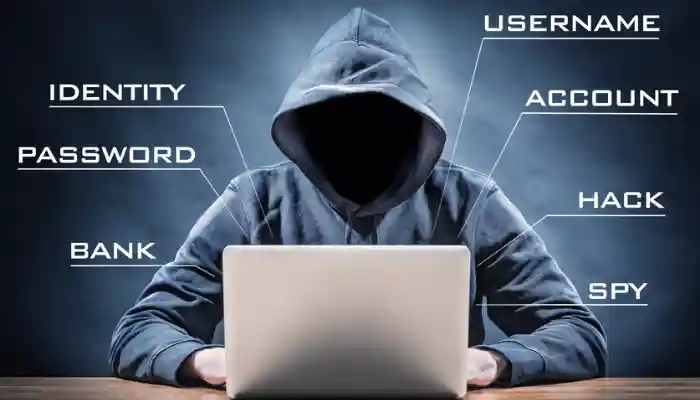
What id theft protection services actually do
Many people assume these services prevent identity theft entirely, but their main role is monitoring and alerting. They track your personal information across different databases, financial systems, and sometimes even the dark web, looking for suspicious activity linked to your identity.
For example, if a new account is opened in your name or your information appears in a data breach, you may receive an alert. This early warning allows you to take action before the situation escalates. This is one of the most practical ways to protect identity theft, as it reduces response time.
Some services also offer recovery assistance, guiding you through the process of reporting fraud, contacting institutions, and restoring your identity. While they don’t stop every threat, they strengthen your id theft protection by giving you visibility and support when you need it most.
Free vs paid protection: what you really need
Choosing between free and paid tools depends on how you manage your digital life and the level of security you expect. Understanding the differences can help you make a better decision and strengthen your id theft protection while finding the right way to protect identity theft according to your needs.
| feature | free tools | paid services |
|---|---|---|
| cost | no cost | monthly or annual subscription |
| basic monitoring | limited, usually credit or account alerts | advanced monitoring across multiple platforms |
| real time alerts | basic or delayed notifications | faster and more detailed alerts |
| identity monitoring | limited scope | broader tracking, including data leaks and dark web activity |
| recovery support | minimal or none | guided recovery process with specialists |
| financial protection | not included | may include insurance for losses |
| best for | users with low online activity | users with frequent online transactions or sensitive data exposure |
How to choose the right protection service for you
Choosing the right service is not about picking the most expensive option, but about finding what truly fits your routine and level of exposure. By focusing on a few key aspects, you can make a smarter decision and improve your id theft protection while ensuring you can effectively protect identity theft — just like choosing the right experience when buying NYFW tickets online.
- Evaluate your daily online activity
Think about how often you use online banking, shop online, or share personal information. The more active you are, the more valuable advanced monitoring becomes. - Check the type and speed of alerts
Look for services that provide clear and timely notifications. Fast alerts can help you react quickly and better protect identity theft before the situation escalates. - Review the level of monitoring offered
Some services only track basic activity, while others monitor multiple channels, including potential data leaks. Choose one that matches your level of risk. - Consider recovery support
If something goes wrong, having access to guidance or specialists can save you time and reduce stress. This is a key factor in strong id theft protection. - prioritize simplicity and usability
A service should be easy to understand and manage. Complicated platforms can lead to mistakes or underuse, reducing your ability to protect identity theft effectively. - Compare value, not just price
Instead of focusing only on cost, evaluate what you are actually getting. A slightly higher investment may offer better long-term id theft protection.
By following these tips, you can choose a solution that fits naturally into your routine and helps you stay protected without adding unnecessary complexity.
Warning signs that your identity may be compromised
Even with strong preventive measures, it’s still important to recognize the early signs of identity theft. Acting quickly can limit the damage and help you regain control before the situation becomes more serious. Being aware of these signals is a key part of learning how to protect identity theft effectively.
You might be interested in: What can you do in New York that most tourists completely miss?
Unusual financial activity you should not ignore
One of the most obvious warning signs is unexpected activity in your bank accounts or credit cards. This can include unfamiliar charges, withdrawals you didn’t make, or notifications about transactions you don’t recognize.
These situations should never be ignored, even if the amount seems small. In many cases, attackers start with minor transactions before moving to larger ones. Monitoring your finances regularly strengthens your id theft protection and allows you to act quickly.
Unexpected emails, messages, or account alerts
Receiving messages about password changes, login attempts, or account verifications that you didn’t request can be a sign that someone is trying to access your accounts. These alerts are often the first indication that your information may be at risk.
It’s important to verify these notifications directly through official platforms instead of clicking on links. This habit helps you protect identity theft and avoid falling into phishing traps designed to steal even more information.
What to check regularly to stay ahead
Staying ahead means being proactive. Regularly reviewing your financial statements, checking your credit report, and monitoring your accounts can help you detect unusual patterns early.
Consistency is key here. These simple checks strengthen your id theft protection and reduce the chances of long-term damage. The sooner you identify a problem, the easier it is to resolve it — especially during busy online shopping periods such as New York Fashion Week september 2026, when digital activity and transactions tend to increase.”
