
Choosing where to settle is one of the most important decisions people make at any stage of life. In 2026, this choice is shaped by more factors than ever before, work flexibility, cost of living, safety, community, and long term stability all play a central role. For that reason, conversations about the best places to live are no longer limited to major metropolitan areas or traditional economic hubs. Instead, people are carefully weighing lifestyle, opportunity, and personal goals.
The United States continues to stand out as a country with a wide range of living options. From fast growing urban centers to well balanced mid sized cities, the variety allows individuals and families to find environments that truly match their expectations. At the same time, global mobility and digital connectivity mean that US cities are often compared not only among themselves, but also with the largest cities in the world, especially when it comes to infrastructure, employment, and quality of life.
This guide takes a closer look at what makes certain locations stand out in 2026 and why they continue to attract new residents year after year.
You might also be interested in: 20 Types of windows you need to know before your next remodel

The top 50 best places to live in the US in 2026
Choosing where to live in 2026 is no longer just about finding a job or moving to a well-known city. People are now looking for places that offer balance, stability, and a lifestyle that fits their personal and professional goals. Across the United States, cities of different sizes are responding to these expectations in distinct ways.
This ranking brings together locations that stand out for their quality of life, economic opportunities, and overall livability. From major urban centers to growing mid-sized cities, these places reflect what many people value most when deciding where to build their future.
1. New York City, New York
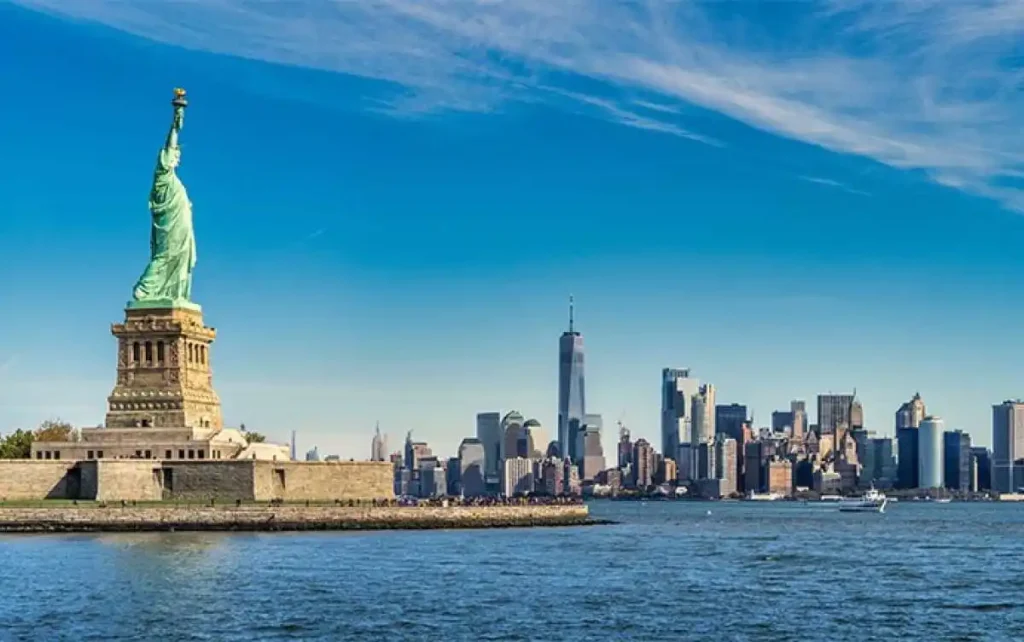
New York City remains one of the most iconic places to live, attracting people from all over the world for work, education, and culture. Its economy spans finance, media, technology, and the arts, making it a city of endless opportunity. The diversity of neighborhoods allows residents to find communities that match their lifestyle and budget. NYC often appears in comparisons with the largest cities in the world due to its global influence and connectivity. Life here is fast-paced, but those who embrace it gain access to unmatched professional networks, world-class events, and experiences such as NYFW tickets and major cultural showcases throughout the year.”
- Population: Approximately 8.3 million
- Socioeconomic level: Very diverse, high-income sectors dominate in Manhattan
- Safety level: Varies by neighborhood; overall improving trends
- Parks & landmarks: Central Park, Brooklyn Bridge, Statue of Liberty
- Cost of living: High; $90,000–$120,000 annually
2. Boston, Massachusetts
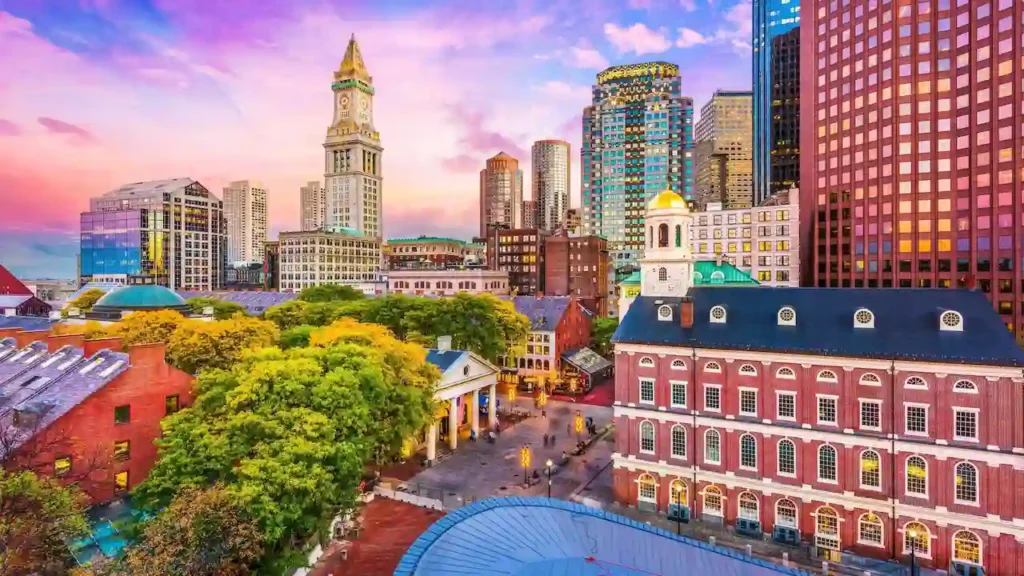
Boston is one of the most desirable places to live in the Northeast thanks to its blend of history, education, and healthcare infrastructure. The city benefits from world-renowned universities and hospitals, creating a well-educated and economically stable population. Neighborhoods are walkable and safe, offering a strong sense of community. Boston is frequently mentioned alongside the largest cities in the world for its historical significance and international reputation. It is ideal for those seeking a balance between career growth and quality of life.
- Population: Around 675,000
- Socioeconomic level: Upper-middle to high
- Safety level: Generally high, especially in residential districts
- Parks & landmarks: Boston Common, Freedom Trail, Charles River
- Cost of living: High; $85,000–$110,000 annually
3. Cambridge, Massachusetts
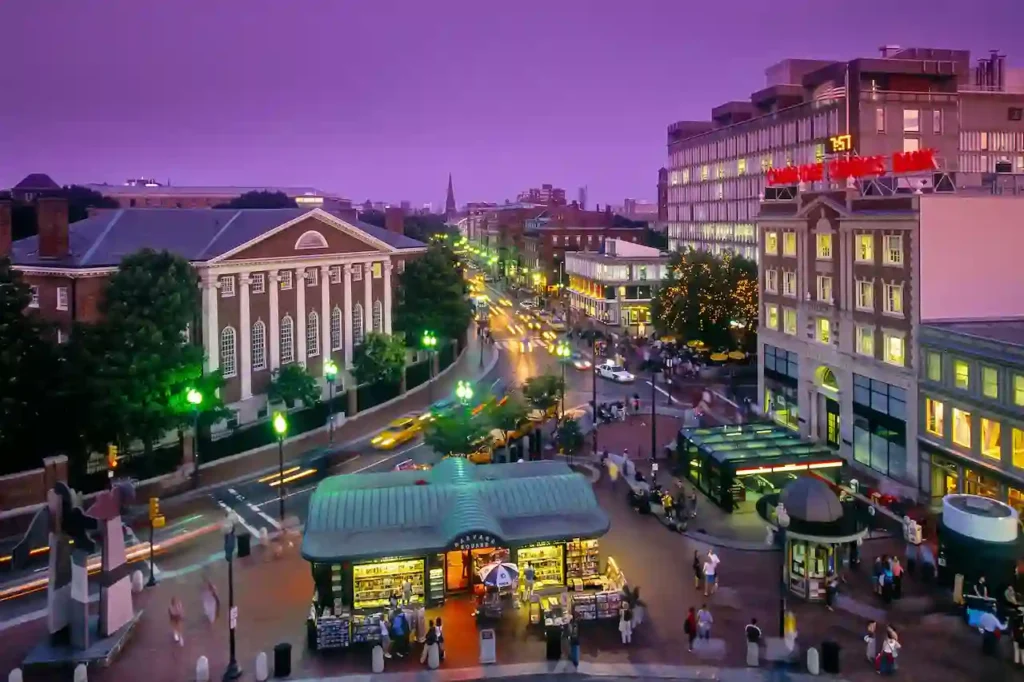
Cambridge is widely recognized as a hub of innovation and learning, making it a prime place to live for academics, researchers, and tech professionals. The city hosts world-class universities and research centers that attract talent from across the globe. Cambridge’s walkable streets, cultural events, and riverside paths provide an excellent quality of life. It is smaller than many of the largest cities in the world, but its international reputation in education and technology makes it globally significant.
- Population: Approximately 118,000
- Socioeconomic level: High, largely professionals and students
- Safety level: High, very low violent crime rates
- Parks & landmarks: Harvard Square, MIT campus, Charles River paths
- Cost of living: High; $90,000+ annually
4. Jersey City, New Jersey
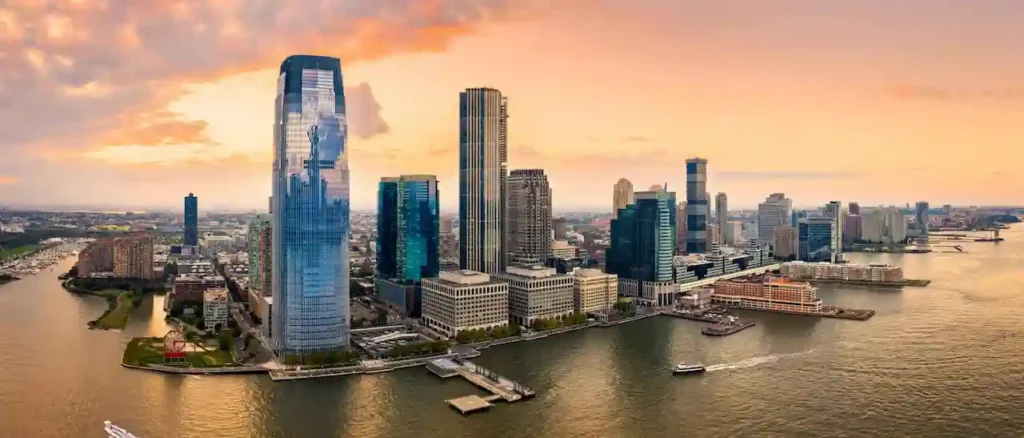
Jersey City is one of the most accessible places to live for those seeking proximity to New York City without the higher Manhattan costs. The city has experienced rapid growth in finance, technology, and professional services. Waterfront areas and modern housing make it attractive to young professionals and families. Though smaller than the largest cities in the world, Jersey City benefits from strong urban connectivity and expanding amenities.
- Population: About 292,000
- Socioeconomic level: Upper-middle, growing professional sectors
- Safety level: Improving steadily
- Parks & landmarks: Liberty State Park, Hudson River waterfront
- Cost of living: High; $75,000–$95,000
5. Hoboken, New Jersey
Hoboken offers a compact, walkable city environment that is highly sought after among young professionals. Its small size encourages community interaction while remaining close to New York City for work and entertainment. The city is often praised as one of the best places to live for convenience and lifestyle balance. While not comparable in scale to the largest cities in the world, Hoboken’s charm lies in its accessibility and sense of neighborhood.
- Population: Roughly 60,000
- Socioeconomic level: Upper-middle, mostly professionals
- Safety level: High, with strong community engagement
- Parks & landmarks: Pier A Park, Hoboken Waterfront Walkway
- Cost of living: High; $80,000+ annually
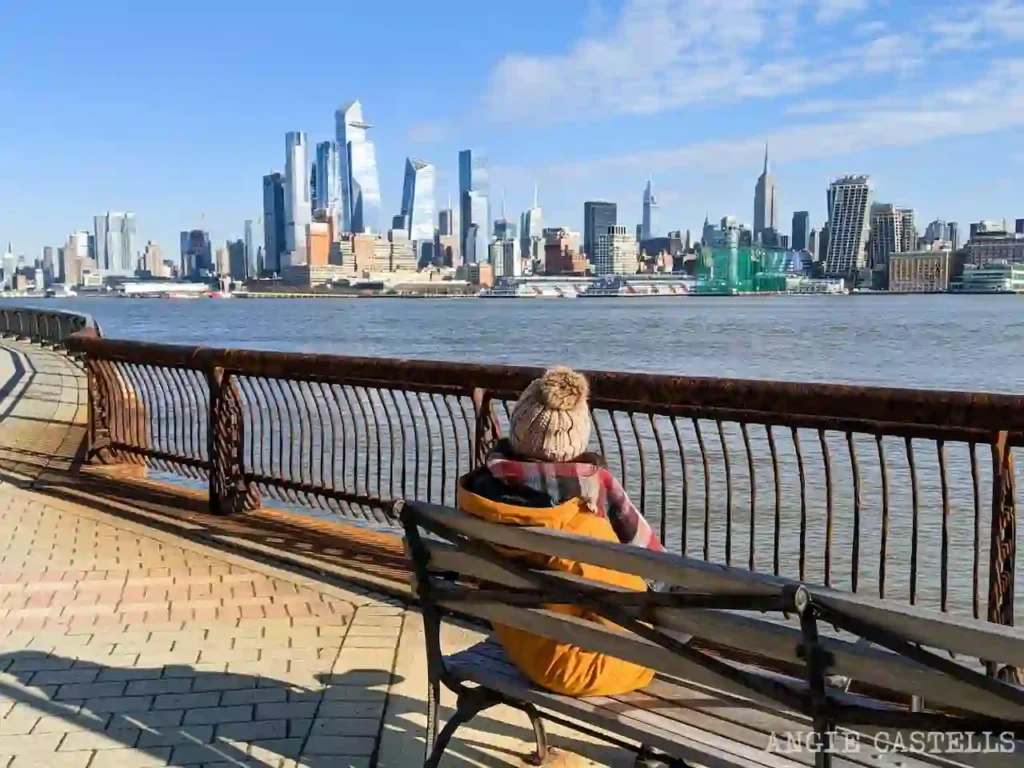
6. Arlington, Virginia
Arlington is known for its safety, clean neighborhoods, and strong public services, making it a top place to live in the DC metro area. Its economy revolves around government, defense, and tech sectors. Residents enjoy efficient public transportation and family-friendly parks. Though smaller than the largest cities in the world, Arlington is consistently ranked as one of the safest and most organized urban areas in the United States.
- Population: Approximately 238,000
- Socioeconomic level: High, professionals dominate
- Safety level: Very high
- Parks & landmarks: Arlington National Cemetery, Roosevelt Island
- Cost of living: High; $85,000–$105,000
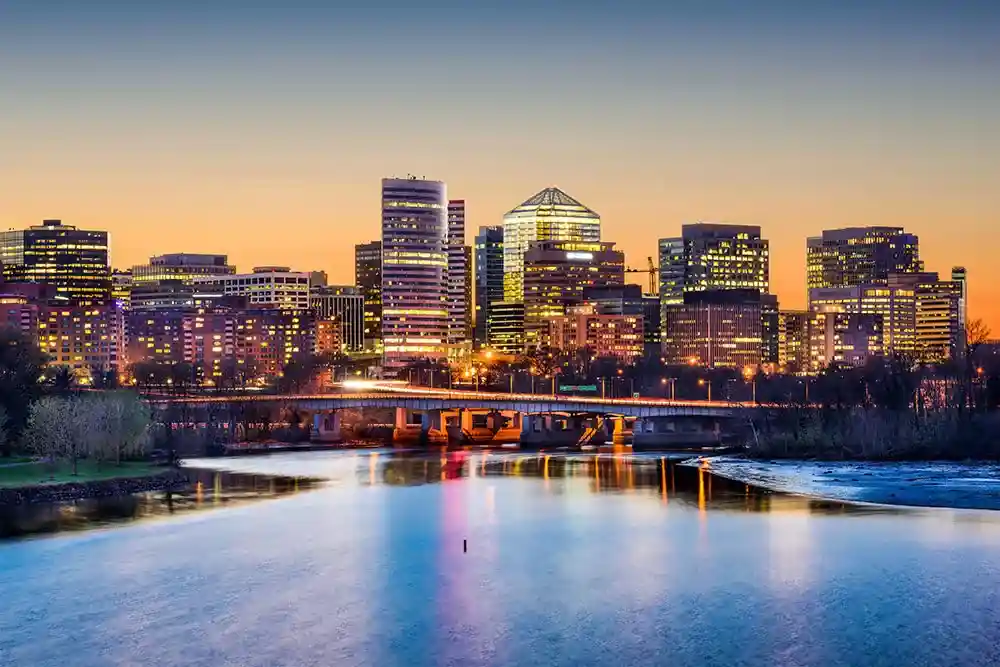
7. Alexandria, Virginia
Alexandria combines historic charm with modern urban living, making it a favorite place to live near the nation’s capital. The city offers walkable streets, local shops, and waterfront attractions while maintaining strong connections to Washington, D.C. Though modest in size compared to the largest cities in the world, Alexandria provides a balanced lifestyle that appeals to families and professionals seeking both convenience and character.
- Population: Around 159,000
- Socioeconomic level: Upper-middle, professional residents
- Safety level: High
- Parks & landmarks: Old Town Alexandria, Potomac River waterfront
- Cost of living: High; $80,000–$100,000 annually
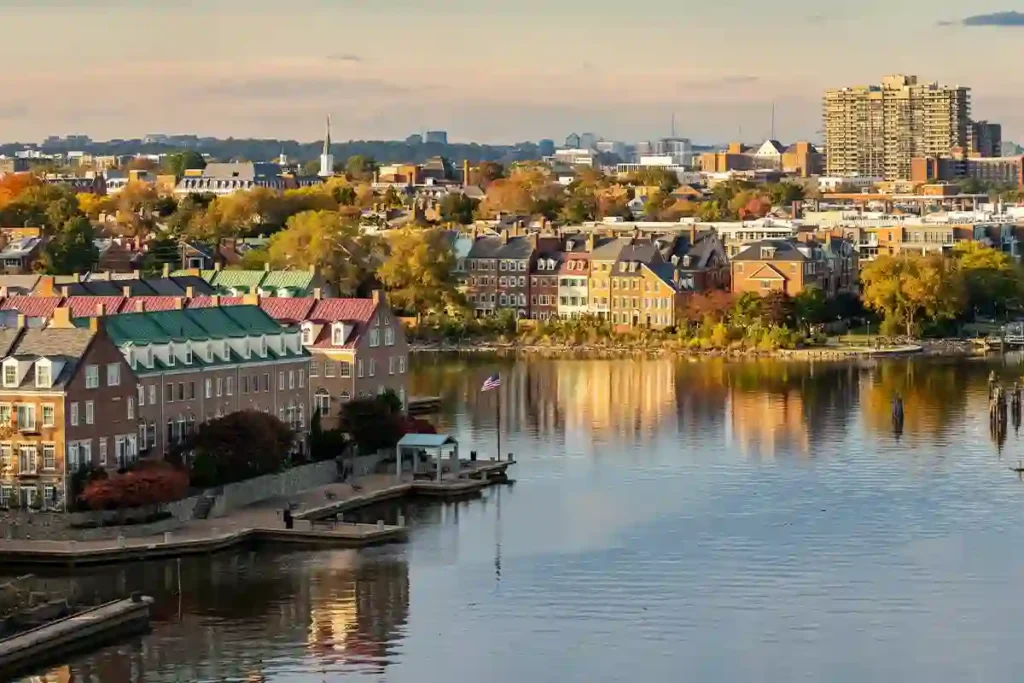
8. Austin, Texas
Austin is widely recognized as one of the top places to live in the South due to its booming tech industry, live music scene, and vibrant cultural life. The city attracts professionals from all over the country seeking innovation and lifestyle opportunities. Austin’s lack of state income tax and abundant green spaces further increase its appeal. While growing rapidly, the city maintains a sense of community with diverse neighborhoods and local initiatives. Austin also stands out when compared to the largest cities in the world, particularly in terms of its startup culture and entrepreneurial environment.
- Population: Approximately 1 million
- Socioeconomic level: Upper-middle, tech-driven
- Safety level: Moderate, with safe residential areas
- Parks & landmarks: Zilker Park, Lady Bird Lake, South Congress District
- Cost of living: High; comfortable lifestyle requires $75,000–$95,000
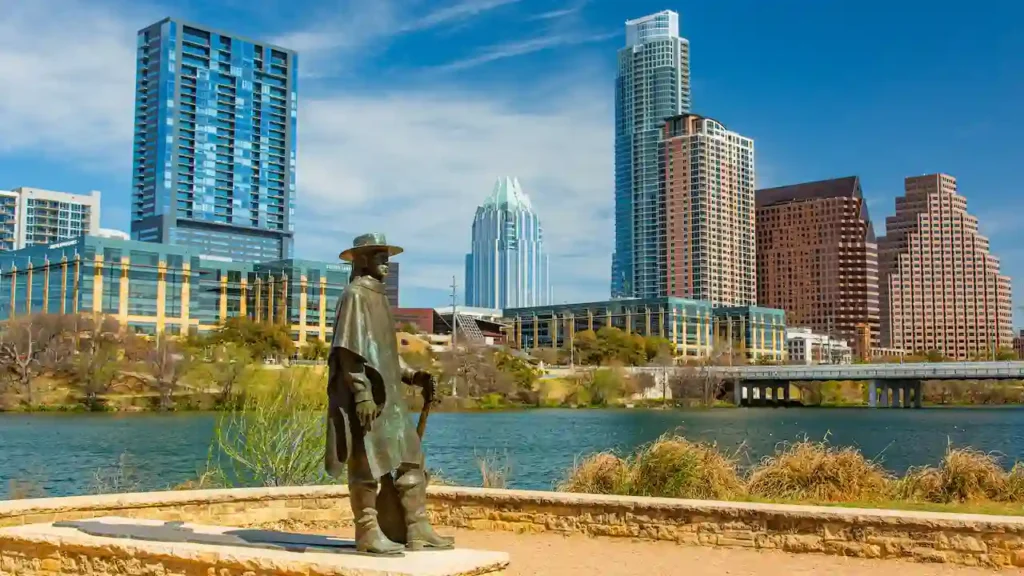
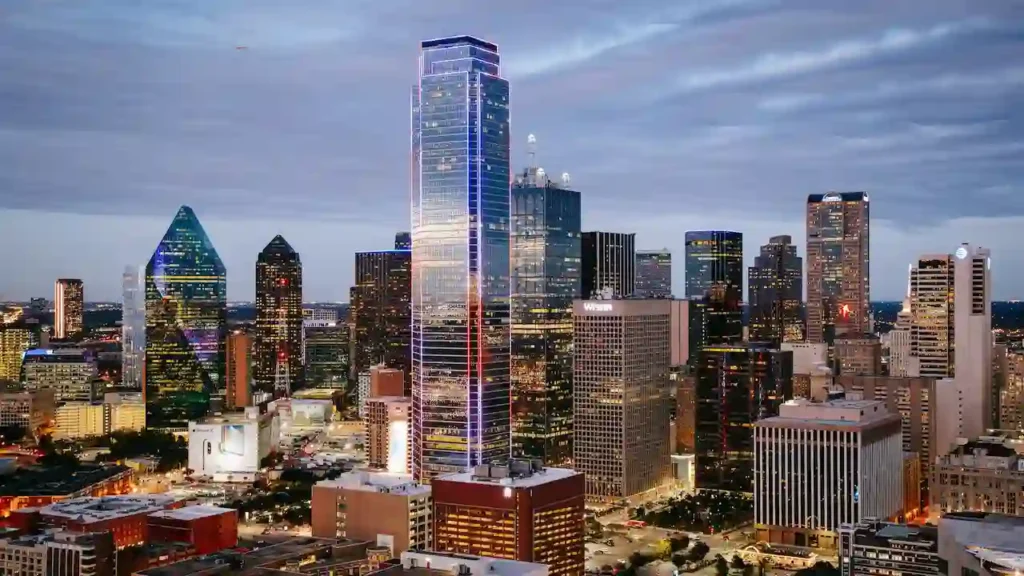
9. Dallas, Texas
Dallas is a major business and cultural center, offering one of the most dynamic economies in the South. Its diverse industries, from finance to healthcare and logistics, create strong employment opportunities. Suburban expansion provides a variety of residential options for families and professionals. The city balances urban amenities with recreational spaces, and neighborhoods vary widely in character. Dallas is also emerging in comparisons with the largest cities in the world for its economic influence in North America.
- Population: About 1.3 million
- Socioeconomic level: Upper-middle, business-oriented
- Safety level: Moderate; varies by district
- Parks & landmarks: Klyde Warren Park, Dallas Arboretum, Reunion Tower
- Cost of living: Moderate-high; $70,000–$90,000
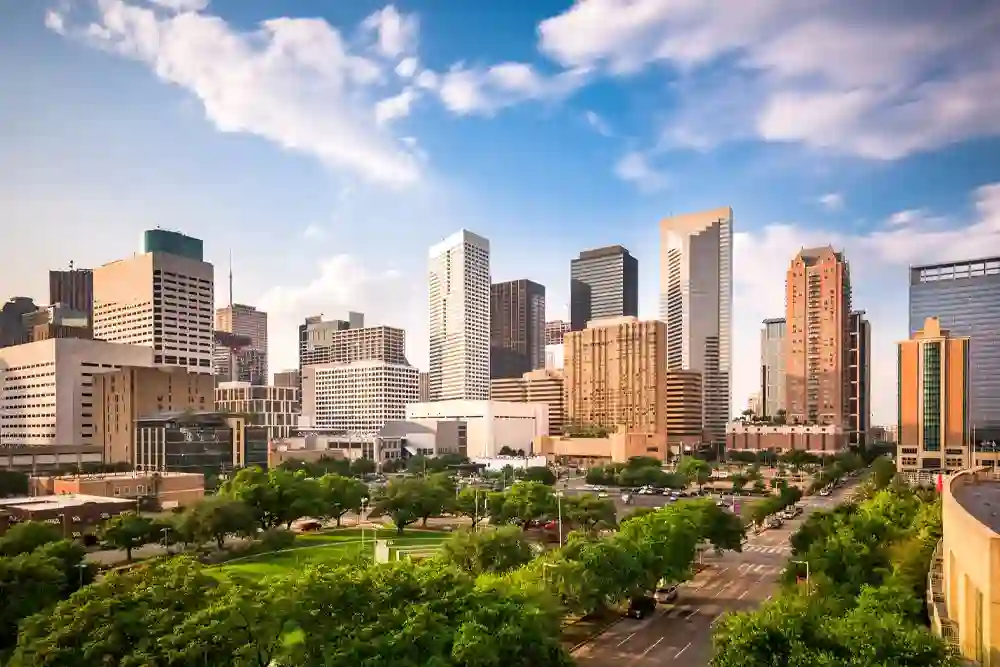
10. Houston, Texas
Houston is known for its economic diversity, affordability, and international connections, making it a top place to live in the South. The city hosts energy, healthcare, and aerospace industries, attracting a highly skilled workforce. Houston’s cultural and culinary scene adds to its livability, while housing remains more affordable than other major urban areas. Compared to the largest cities in the world, Houston offers similar business opportunities with a lower cost of living, appealing to families and professionals alike.
- Population: Around 2.4 million
- Socioeconomic level: Mixed, from middle-class to affluent professionals
- Safety level: Moderate; suburban areas safer
- Parks & landmarks: Hermann Park, Museum District, Space Center Houston
- Cost of living: Moderate; $65,000–$85,000
11. San Antonio, Texas
San Antonio blends cultural heritage, historical significance, and steady economic growth. Its mix of old Spanish architecture and modern urban development creates a unique environment for residents. The city has a lower cost of living than other Texas metros, making it one of the more affordable places to live in the region. San Antonio also offers numerous parks, trails, and family-friendly neighborhoods. While smaller than the largest cities in the world, it is recognized nationally for its livability and tourism appeal.
- Population: About 1.5 million
- Socioeconomic level: Middle-class to upper-middle
- Safety level: Generally moderate
- Parks & landmarks: The Alamo, River Walk, Mission Reach Trail
- Cost of living: Moderate; $60,000–$80,000

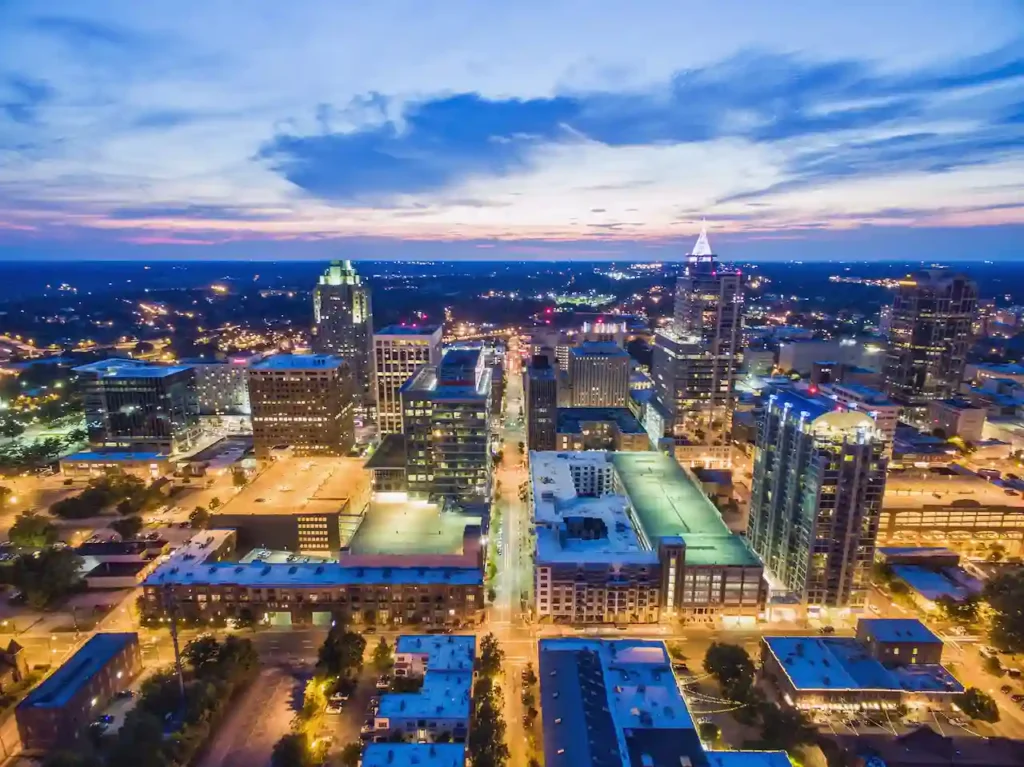
12. Raleigh, North Carolina
Raleigh is part of a prominent research and technology corridor, making it one of the most attractive places to live for professionals in tech and education. The city balances a strong economy with family-friendly neighborhoods and excellent schools. Its parks, cultural venues, and local events contribute to high livability. Raleigh may not rank among the largest cities in the world, but it is considered a major hub for innovation and quality of life in the U.S.
- Population: Approximately 470,000
- Socioeconomic level: Upper-middle, tech and education sectors
- Safety level: High
- Parks & landmarks: Pullen Park, William B. Umstead State Park, museums
- Cost of living: Moderate; $70,000–$90,000
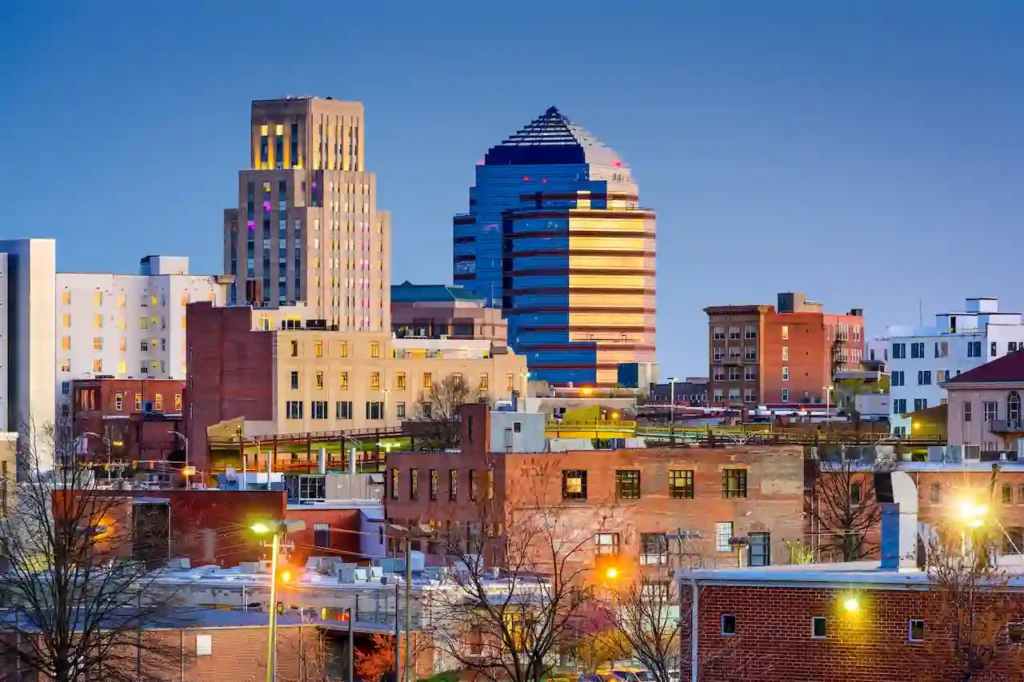
13. Durham, North Carolina
Durham has gained recognition as an innovative and educational center, largely due to Duke University and its growing startup ecosystem. It is an appealing place to live for professionals seeking opportunities in research, health, and technology. Durham combines urban amenities with quiet residential neighborhoods, offering a balanced lifestyle. While smaller than the largest cities in the world, it is known for its community engagement and livability.
- Population: Around 280,000
- Socioeconomic level: Upper-middle, academic and tech-driven
- Safety level: High in residential areas
- Parks & landmarks: Eno River State Park, American Tobacco Historic District
- Cost of living: Moderate; $65,000–$85,000
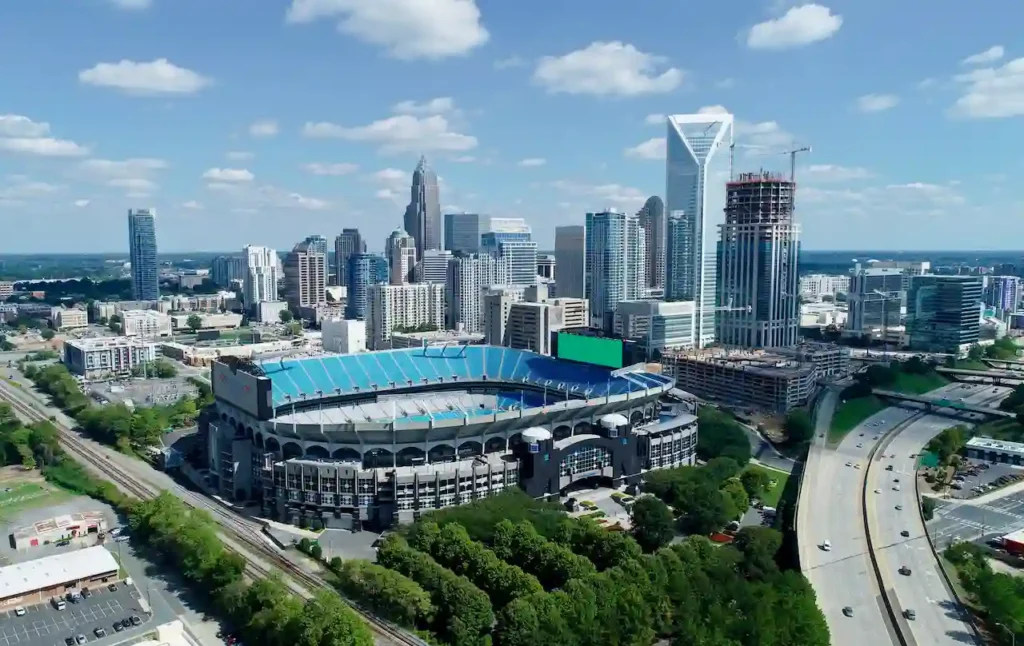
14. Charlotte, North Carolina
Charlotte is a major financial hub in the South, providing diverse employment opportunities and modern infrastructure. It appeals to young professionals, families, and entrepreneurs looking for a fast-growing urban environment. The city combines affordability with cultural activities and accessible outdoor spaces. Charlotte also features in comparisons with the largest cities in the world for its banking and finance presence.
- Population: Approximately 900,000
- Socioeconomic level: Upper-middle, finance and business sectors
- Safety level: Moderate; varies by neighborhood
- Parks & landmarks: Freedom Park, NASCAR Hall of Fame, U.S. National Whitewater Center
- Cost of living: Moderate; $70,000–$90,000
15. Nashville, Tennessee
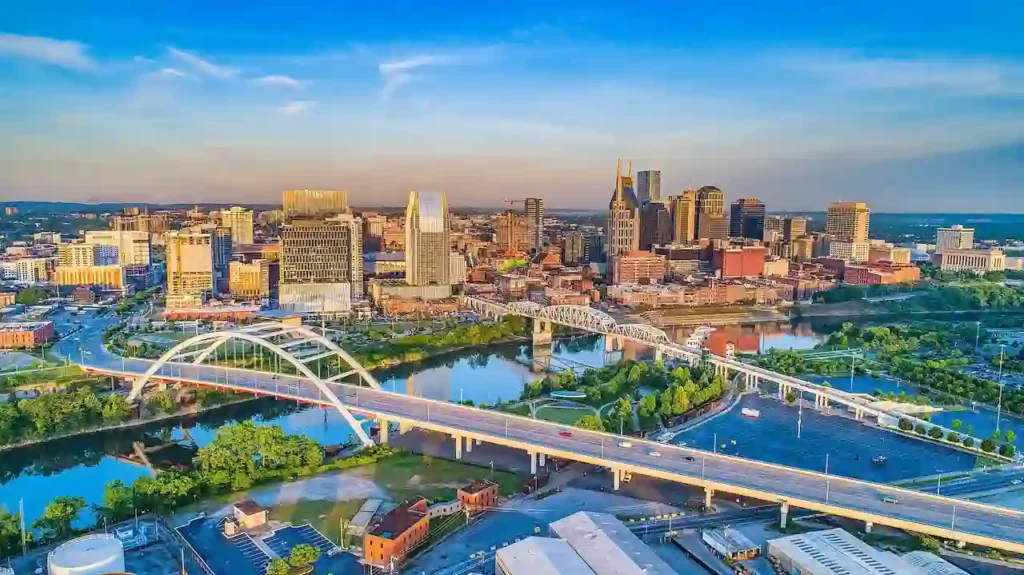
Nashville blends cultural identity, music heritage, and economic growth, making it a standout place to live. The city attracts creative professionals, entrepreneurs, and families drawn to its vibrant neighborhoods and business opportunities. Affordable housing and a welcoming environment make it appealing compared to many larger urban areas. While it does not rank among the largest cities in the world, Nashville is increasingly recognized nationally for livability and innovation.
- Population: About 700,000
- Socioeconomic level: Upper-middle, creative and service industries
- Safety level: Moderate; generally safe residential areas
- Parks & landmarks: Centennial Park, Music Row, Grand Ole Opry
- Cost of living: Moderate; $65,000–$85,000
16. Atlanta, Georgia
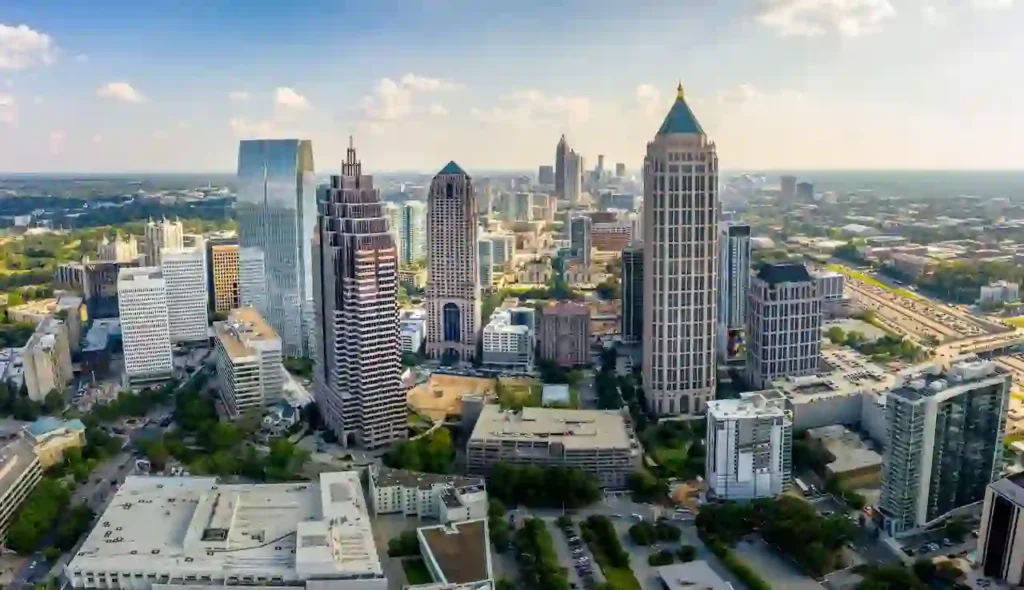
Atlanta is a major transportation and business hub in the South, combining international influence with Southern culture. Its economy spans media, logistics, finance, and technology, attracting a diverse workforce. Atlanta offers urban amenities, cultural attractions, and large green spaces, making it a top place to live in the region. In comparisons with the largest cities in the world, Atlanta is notable for its economic reach and cultural significance, even if its population is smaller than global megacities.
- Population: Approximately 500,000 (metro area 6 million)
- Socioeconomic level: Upper-middle, diverse industries
- Safety level: Moderate; varies by district
- Parks & landmarks: Piedmont Park, Georgia Aquarium, Martin Luther King Jr. National Historical Park
- Cost of living: Moderate; $70,000–$95,000
17. Chicago, Illinois
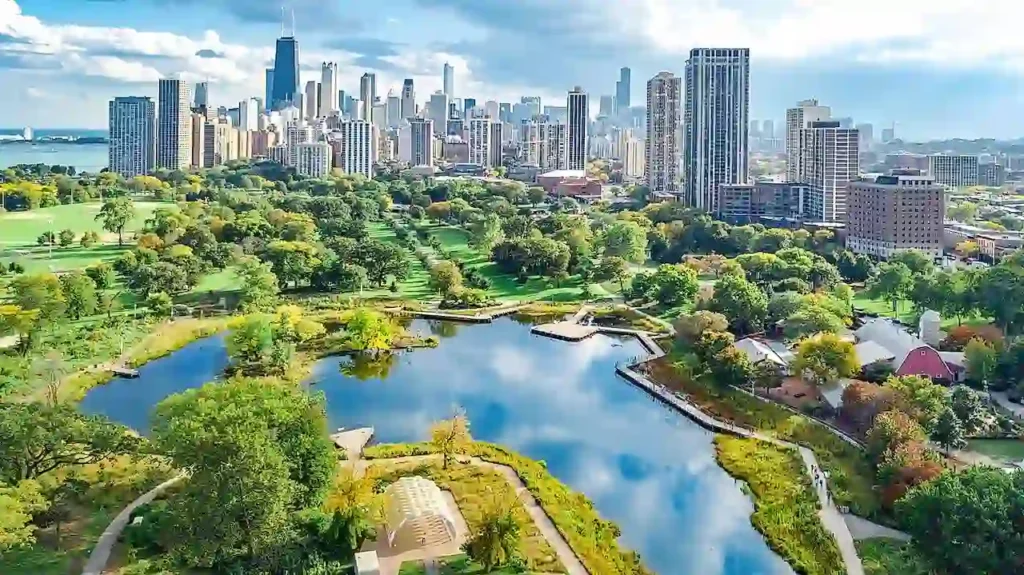
Chicago remains the largest and most influential city in the Midwest, offering a diverse economy and rich cultural life. The city combines global business presence with vibrant neighborhoods and lakefront living. Its transportation system and urban infrastructure support a wide range of lifestyles. Chicago is often compared to the largest cities in the world due to its population size, cultural reach, and economic importance. Despite higher costs in central areas, it remains one of the most dynamic places to live in the region.
- Population: Approximately 2.7 million
- Socioeconomic level: Diverse, strong middle and upper-middle class
- Safety level: Varies by neighborhood
- Parks & landmarks: Millennium Park, Navy Pier, Lake Michigan
- Cost of living: Moderate-high; $70,000–$95,000 annually
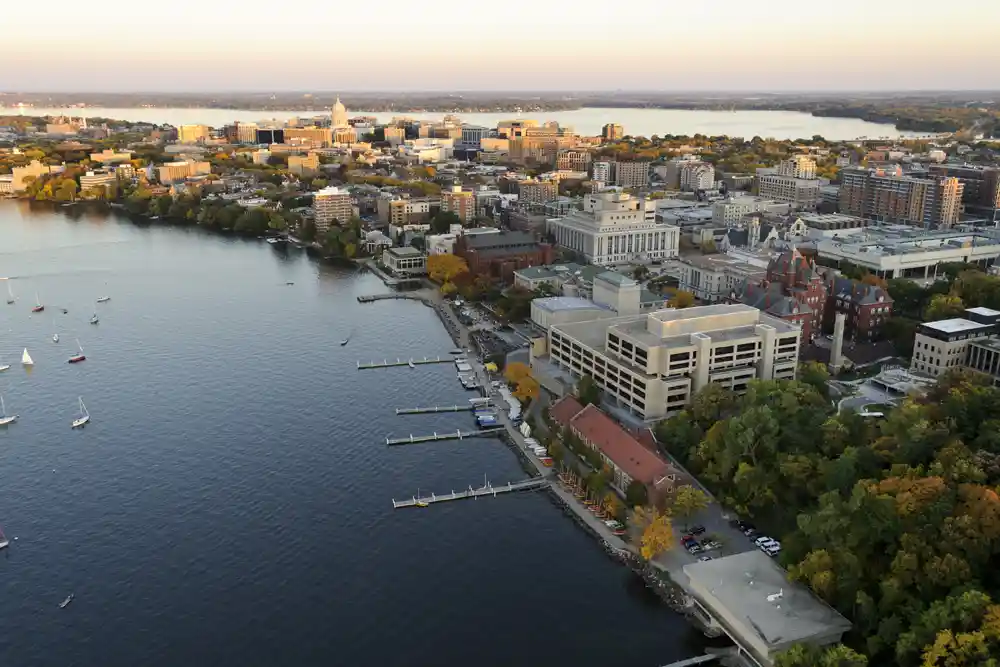
18. Madison, Wisconsin
Madison is widely regarded as one of the most livable mid-sized cities in the Midwest. Home to a major university, the city benefits from a well-educated population and stable employment. Its lakes, bike-friendly streets, and community-focused neighborhoods contribute to daily comfort. Madison consistently ranks among the top places to live for quality of life. While far smaller than the largest cities in the world, it excels in balance and accessibility.
- Population: Around 280,000
- Socioeconomic level: Upper-middle
- Safety level: High
- Parks & landmarks: Lake Mendota, University of Wisconsin campus
- Cost of living: Moderate; $60,000–$80,000
19. Minneapolis, Minnesota
Minneapolis combines economic opportunity with a strong focus on green spaces and urban planning. The city is known for its diverse job market, particularly in healthcare, retail, and technology. Residents benefit from extensive parks and trails integrated into the urban environment. Minneapolis is often highlighted as one of the most well-rounded places to live in the Midwest. Though not comparable in size to the largest cities in the world, its infrastructure and livability standards are highly competitive.
- Population: Approximately 430,000
- Socioeconomic level: Upper-middle
- Safety level: Moderate
- Parks & landmarks: Minnehaha Falls, Chain of Lakes
- Cost of living: Moderate; $65,000–$85,000

20. St. Paul, Minnesota
St. Paul offers a quieter and more residential alternative to Minneapolis while maintaining access to the same economic opportunities. Its historic neighborhoods and strong local identity attract families and long-term residents. The city emphasizes community engagement and public services. St. Paul is considered one of the more stable places to live in the region. While it does not resemble the largest cities in the world, it delivers consistency and comfort.
- Population: Around 310,000
- Socioeconomic level: Middle to upper-middle
- Safety level: Moderate to high
- Parks & landmarks: Como Park, Cathedral of Saint Paul
- Cost of living: Moderate; $60,000–$80,000

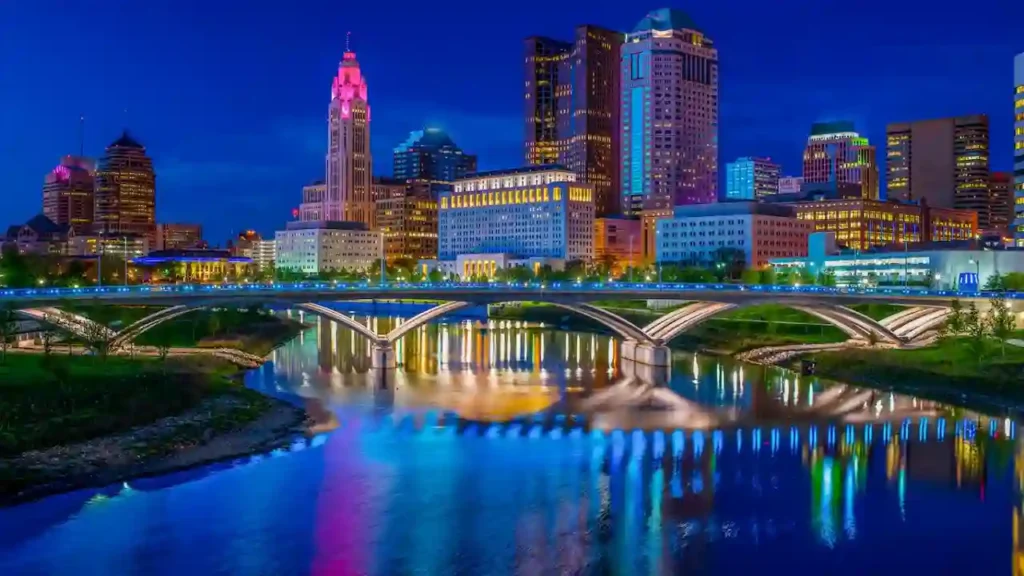
21. Columbus, Ohio
Columbus is one of the fastest-growing cities in the Midwest, supported by education, technology, and healthcare sectors. The city offers affordable housing and expanding job opportunities. Its neighborhoods are diverse, catering to students, professionals, and families. Columbus has gained attention as one of the emerging places to live in the United States. While smaller than the largest cities in the world, its growth trajectory makes it increasingly relevant.
- Population: Approximately 910,000
- Socioeconomic level: Middle to upper-middle
- Safety level: Moderate
- Parks & landmarks: Scioto Mile, Franklin Park Conservatory
- Cost of living: Moderate; $60,000–$85,000
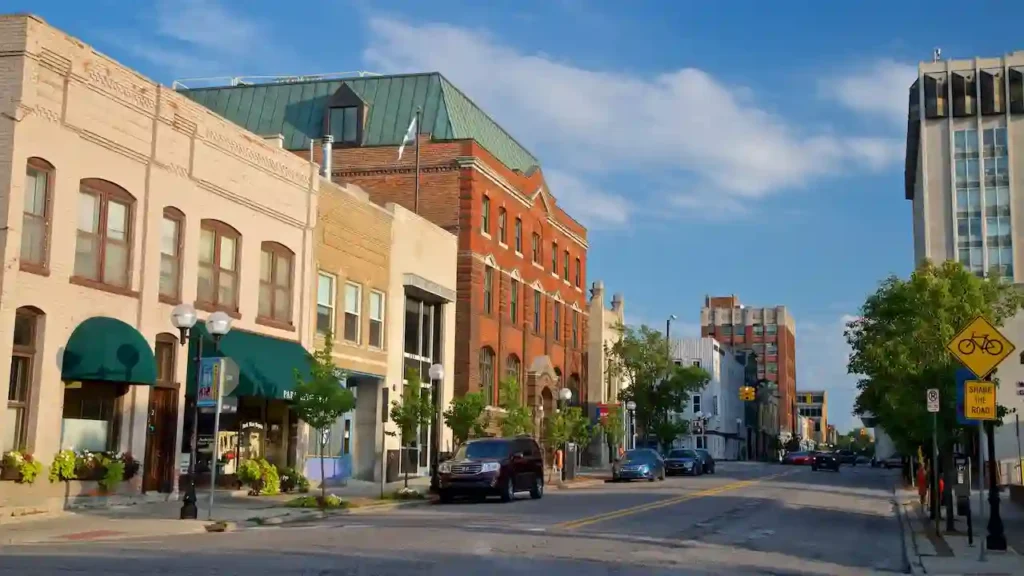
22. Ann Arbor, Michigan
Ann Arbor is best known for its academic environment and strong healthcare sector. The city attracts professionals and families looking for stability and education-focused living. Its downtown area is walkable and filled with local businesses and cultural venues. Ann Arbor is often ranked among the top places to live for education and quality of life. Though far from the scale of the largest cities in the world, it offers exceptional livability.
- Population: Around 120,000
- Socioeconomic level: Upper-middle
- Safety level: High
- Parks & landmarks: Nichols Arboretum, University of Michigan campus
- Cost of living: Moderate-high; $70,000–$90,000
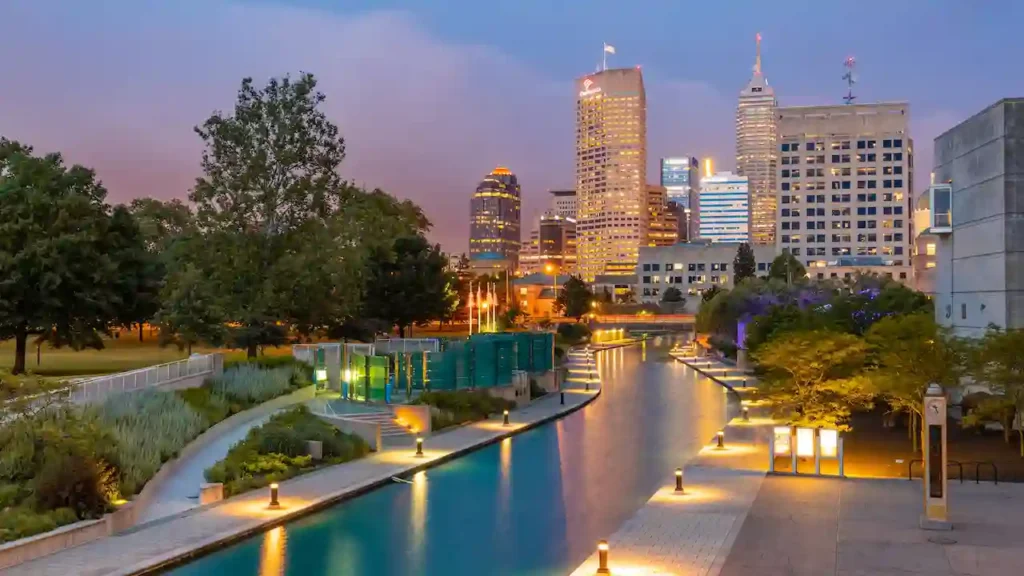
23. Indianapolis, Indiana
Indianapolis combines affordability with steady economic growth, making it attractive for long-term residents. The city supports industries such as logistics, healthcare, and manufacturing. Its downtown development and sports culture add to its appeal. Indianapolis is often highlighted as a practical place to live for families and professionals. While not comparable to the largest cities in the world, it delivers reliability and value.
- Population: Approximately 880,000
- Socioeconomic level: Middle-class to upper-middle
- Safety level: Moderate
- Parks & landmarks: White River State Park, Indianapolis Motor Speedway
- Cost of living: Moderate; $60,000–$80,000
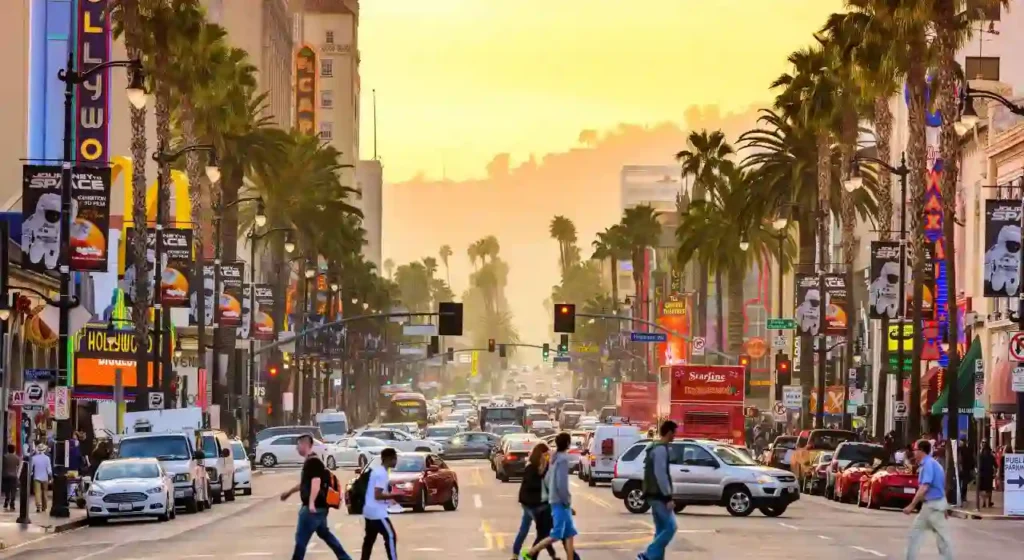
24. Los Angeles, California
Los Angeles stands as one of the most influential cities in the United States and globally. Its economy is driven by entertainment, technology, trade, and creative industries. The city offers a wide range of lifestyles, from coastal living to urban centers. Los Angeles is often mentioned alongside the largest cities in the world because of its population, global media influence, and economic power. Despite high housing costs, it remains one of the most aspirational places to live.
- Population: Approximately 3.9 million
- Socioeconomic level: Highly diverse
- Safety level: Varies by area
- Parks & landmarks: Griffith Park, Santa Monica Beach, Hollywood
- Cost of living: High; $80,000–$110,000
25. San Francisco, California
San Francisco remains a global reference for technology and innovation. The city plays a critical role in the startup ecosystem and attracts international talent. Its dense urban layout and iconic landmarks define its identity. San Francisco is frequently compared to the largest cities in the world in terms of influence rather than size. Despite its challenges, it continues to be one of the most competitive places to live for professionals.
- Population: Approximately 810,000
- Socioeconomic level: High
- Safety level: Moderate
- Parks & landmarks: Golden Gate Bridge, Golden Gate Park
- Cost of living: Very high; $95,000–$130,000

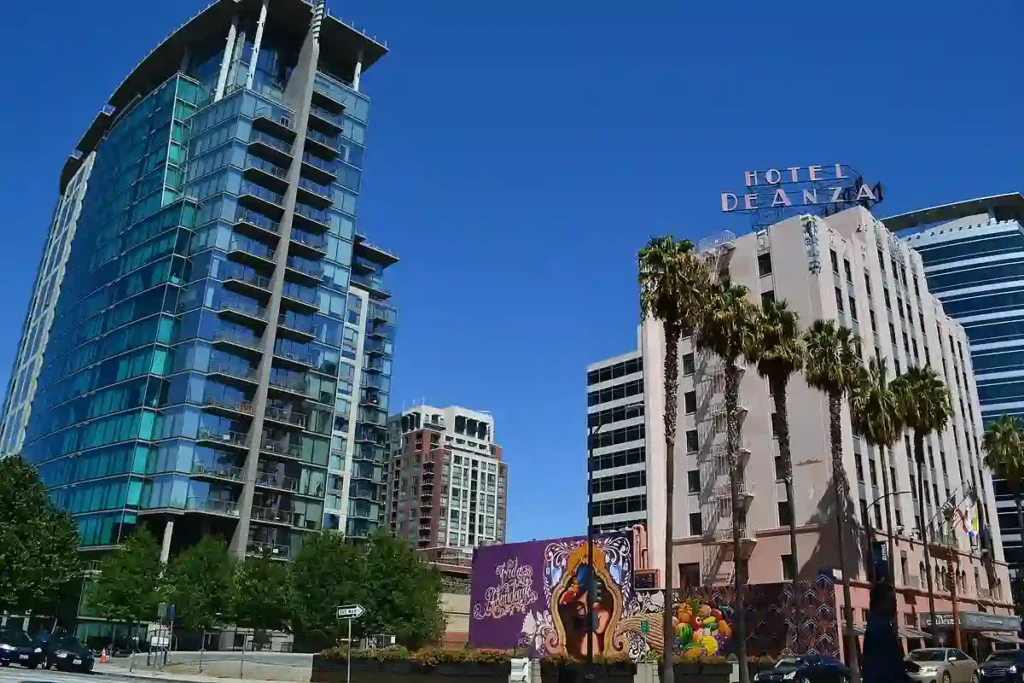
26. San Jose, California
San Jose is the economic heart of Silicon Valley and one of the most innovation-driven cities in the country. Its job market is dominated by technology and engineering roles. The city offers suburban comfort combined with strong earning potential. San Jose is consistently ranked among the top places to live for tech professionals. While it lacks the scale of the largest cities in the world, its economic output is globally significant.
- Population: Around 1 million
- Socioeconomic level: Upper-middle to high
- Safety level: High
- Parks & landmarks: Alum Rock Park, Tech Museum of Innovation
- Cost of living: Very high; $95,000–$130,000
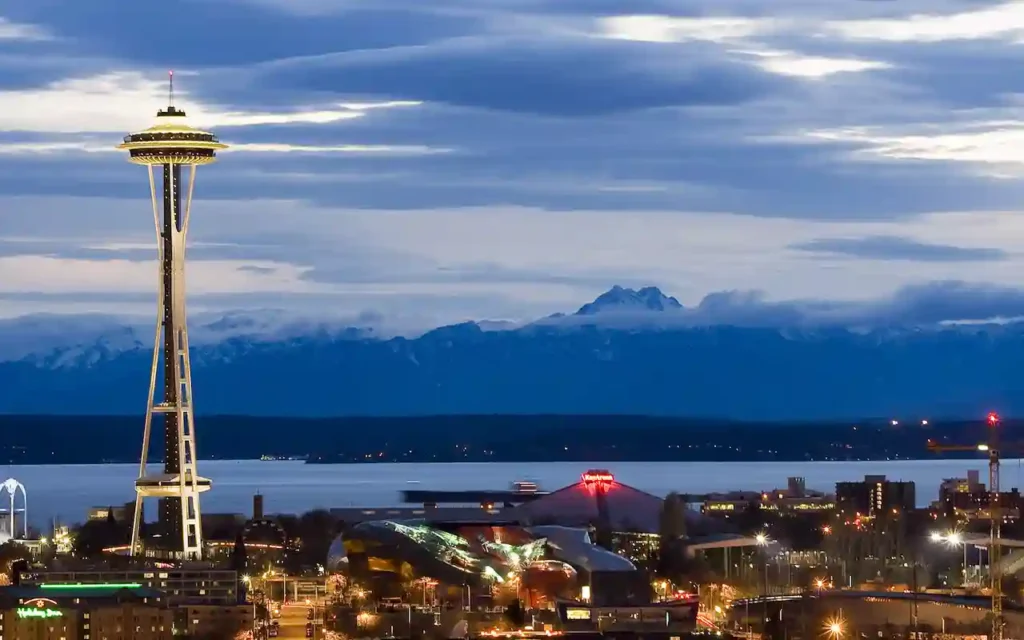
27. Seattle, Washington
Seattle is a leading hub for technology, commerce, and innovation. Major global companies contribute to its strong job market and international relevance. The city also benefits from access to nature and sustainable urban planning. Seattle is often compared to the largest cities in the world due to its economic reach and innovation ecosystem. It remains one of the most attractive places to live on the West Coast.
- Population: Approximately 750,000
- Socioeconomic level: Upper-middle
- Safety level: Moderate
- Parks & landmarks: Pike Place Market, Discovery Park
- Cost of living: High; $80,000–$110,000
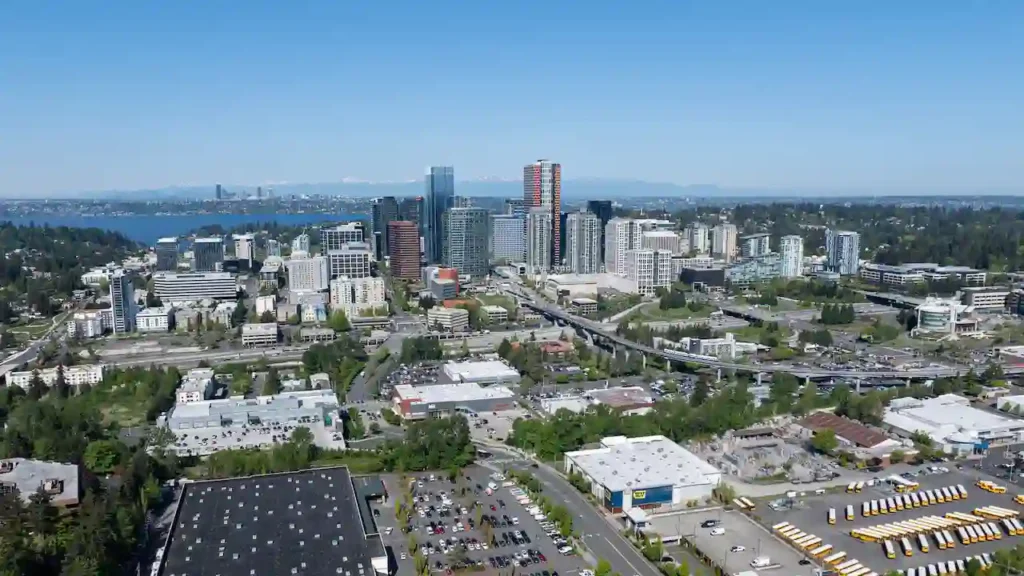
28. Bellevue, Washington
Bellevue offers a more residential alternative to Seattle while maintaining access to high-paying tech jobs. The city is known for its safety, clean infrastructure, and strong public services. Bellevue consistently ranks high among family-friendly places to live. Though much smaller than the largest cities in the world, it excels in quality and stability.
- Population: Around 155,000
- Socioeconomic level: High
- Safety level: Very high
- Parks & landmarks: Downtown Park, Bellevue Botanical Garden
- Cost of living: High; $85,000–$115,000
29. Portland, Oregon
Portland is recognized for its cultural identity, sustainability, and creative economy. The city attracts residents seeking a balance between urban living and environmental consciousness. Its food scene and local businesses contribute to a strong community feel. Portland remains one of the more distinctive places to live on the West Coast. While not comparable in scale to the largest cities in the world, it offers a unique lifestyle.
- Population: Approximately 650,000
- Socioeconomic level: Middle to upper-middle
- Safety level: Moderate
- Parks & landmarks: Washington Park, Forest Park
- Cost of living: Moderate-high; $70,000–$95,000

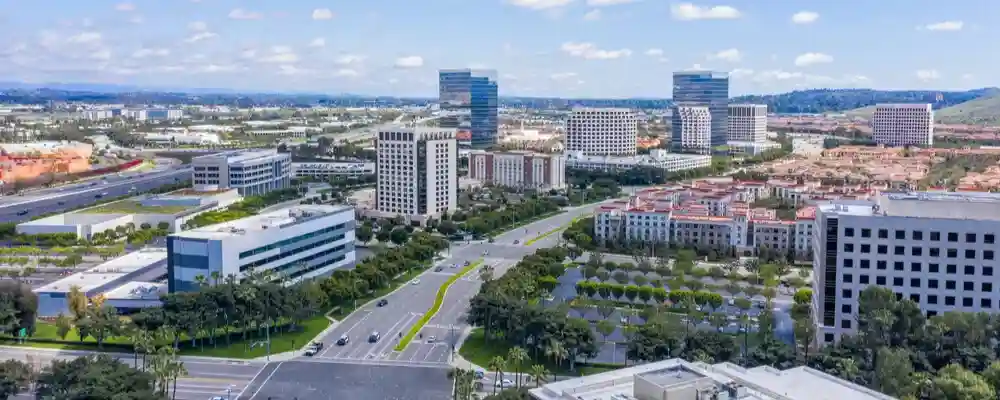
30. Irvine, California
Irvine is one of the best-planned cities in the United States, known for safety and strong education systems. Its economy is supported by technology, healthcare, and corporate headquarters. The city consistently ranks among the safest places to live nationwide. While far from the scale of the largest cities in the world, Irvine sets a high standard for urban planning.
- Population: Around 310,000
- Socioeconomic level: High
- Safety level: Very high
- Parks & landmarks: Irvine Spectrum, regional parks
- Cost of living: High; $80,000–$110,000
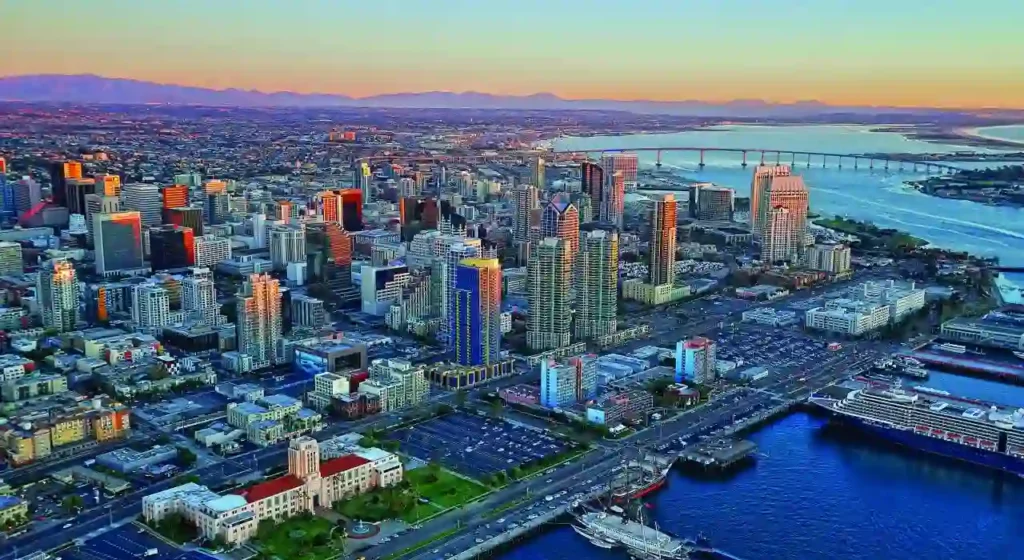
31. San Diego, California
San Diego offers a unique combination of economic stability and coastal lifestyle. Its economy is supported by biotechnology, defense, and tourism. The city is known for its clean neighborhoods and consistent climate. San Diego is considered one of the most balanced places to live on the West Coast. While smaller than the largest cities in the world, it delivers exceptional quality of life.
- Population: Around 1.4 million
- Socioeconomic level: Upper-middle
- Safety level: High
- Parks & landmarks: Balboa Park, La Jolla Cove
- Cost of living: High; $80,000–$110,000
32. Denver, Colorado
Denver combines economic strength with outdoor accessibility. Its job market spans technology, healthcare, and renewable energy. The city’s lifestyle appeals to professionals who value both career growth and quality of life. Denver is often ranked among the most consistent places to live in the country. While not comparable in size to the largest cities in the world, its regional influence is significant.
- Population: Around 715,000
- Socioeconomic level: Upper-middle
- Safety level: Moderate
- Parks & landmarks: City Park, Red Rocks Amphitheatre
- Cost of living: Moderate-high; $70,000–$95,000

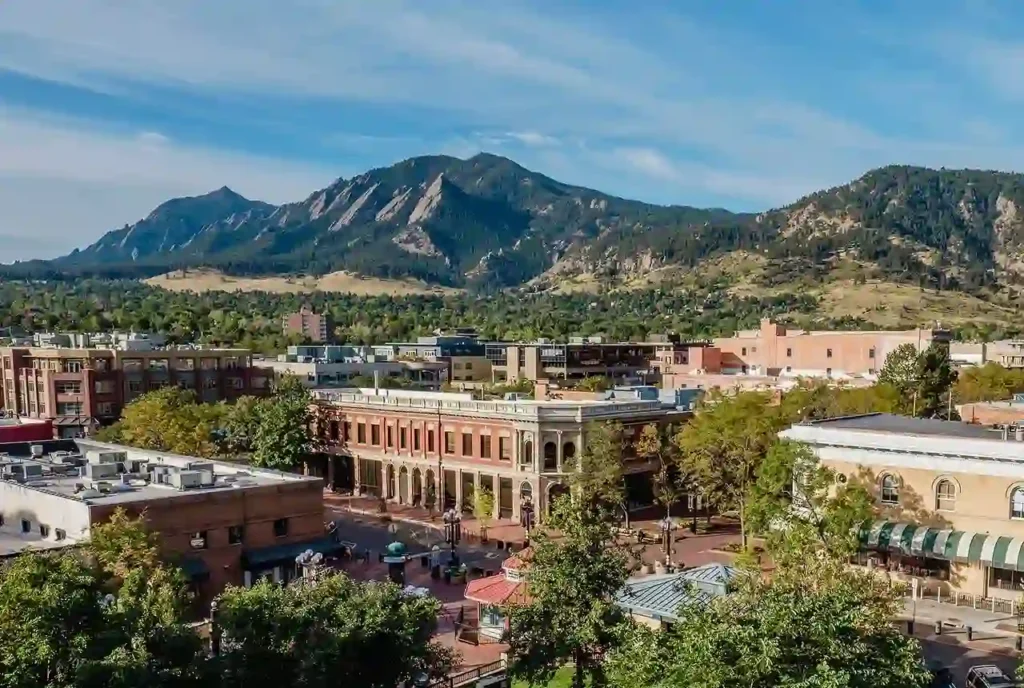
33. Boulder, Colorado
Boulder is known for its educated population, research-driven economy, and strong environmental focus. The city attracts professionals in science, technology, and academia. Its compact size and lifestyle-oriented planning make it one of the most desirable places to live in Colorado. Though far smaller than the largest cities in the world, Boulder offers exceptional livability.
- Population: Approximately 105,000
- Socioeconomic level: High
- Safety level: High
- Parks & landmarks: Flatirons, Boulder Creek Path
- Cost of living: High; $75,000–$100,000
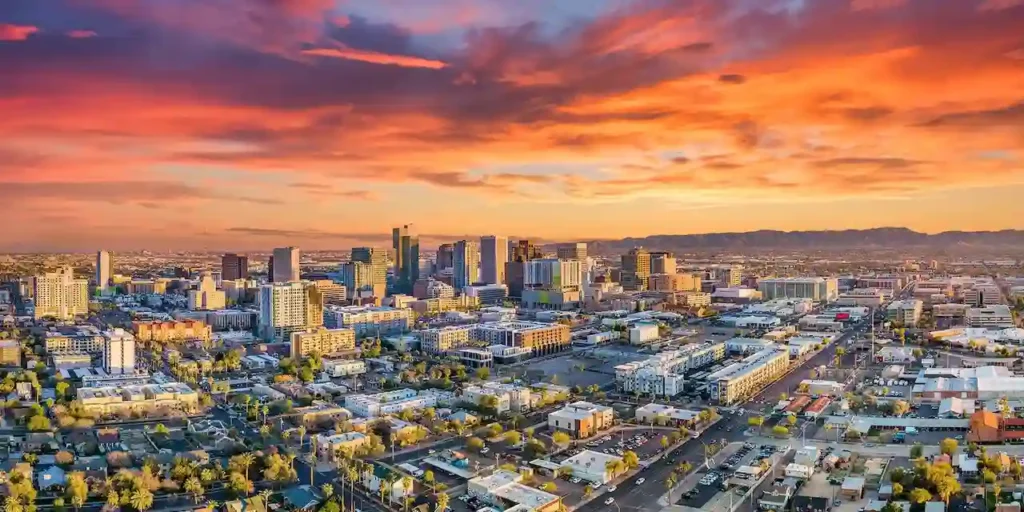
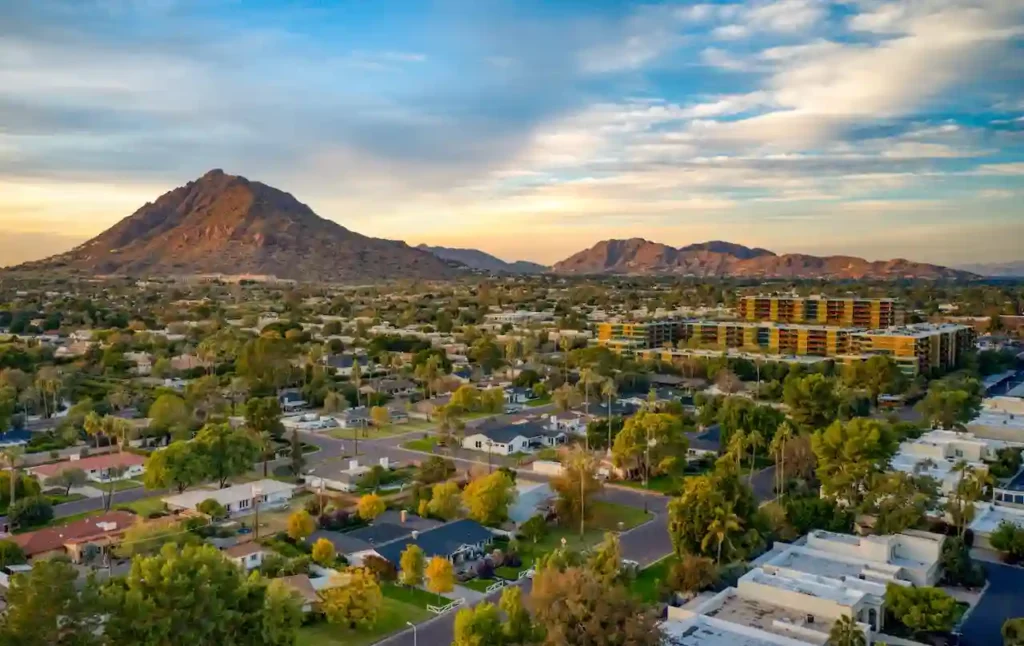
34. Phoenix, Arizona
Phoenix has emerged as one of the fastest-growing metropolitan areas in the US. Its economy includes technology, manufacturing, and logistics, attracting residents from larger coastal cities. Phoenix offers lower density and more affordable housing compared to the largest cities in the world. It continues to rank among the most accessible places to live for relocation.
- Population: Around 1.6 million
- Socioeconomic level: Middle to upper-middle
- Safety level: Moderate
- Parks & landmarks: Camelback Mountain, Desert Botanical Garden
- Cost of living: Moderate; $60,000–$85,000
35. Scottsdale, Arizona
Scottsdale stands out for its upscale residential areas, safety, and strong service economy. It is popular among professionals, retirees, and entrepreneurs seeking stability. The city offers a refined lifestyle without the intensity of the largest cities in the world. Scottsdale is frequently listed among high-quality places to live in the Southwest.
- Population: Approximately 245,000
- Socioeconomic level: High
- Safety level: High
- Parks & landmarks: Old Town Scottsdale, McDowell Sonoran Preserve
- Cost of living: Moderate-high; $70,000–$95,000
36. Salt Lake City, Utah
Salt Lake City combines economic growth with a strong sense of community. Its industries include technology, finance, and healthcare. The city benefits from a young workforce and steady population growth. Salt Lake City is increasingly viewed as one of the most promising places to live in the Mountain region. It offers opportunities without the congestion typical of the largest cities in the world.
- Population: Around 205,000
- Socioeconomic level: Middle to upper-middle
- Safety level: High
- Parks & landmarks: Temple Square, Liberty Park
- Cost of living: Moderate; $65,000–$90,000

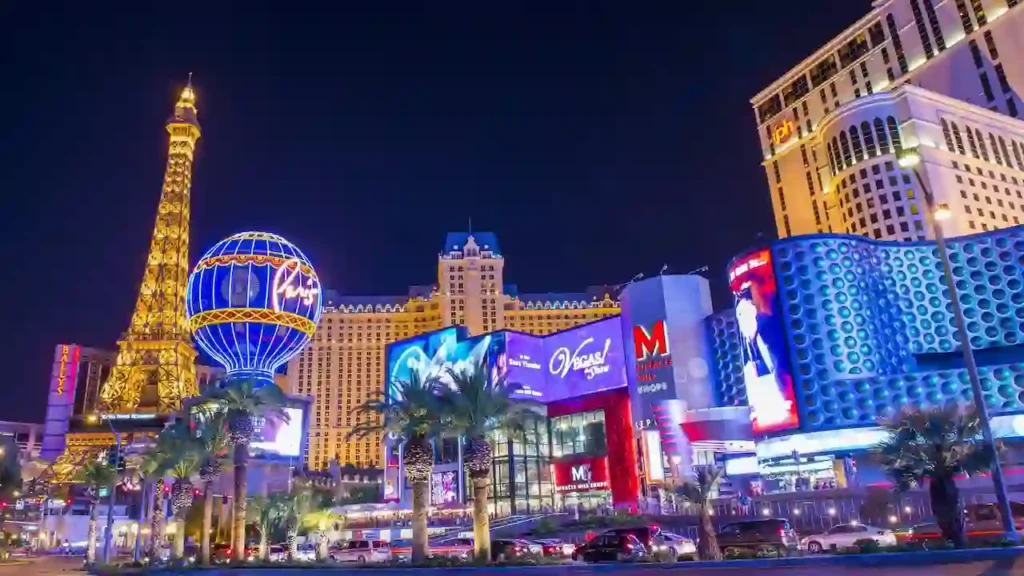
37. Las Vegas, Nevada
Las Vegas has diversified its economy beyond tourism into logistics, healthcare, and technology. The city attracts residents with its no state income tax and expanding job market. While globally recognized, Las Vegas offers more space and affordability than many largest cities in the world. It continues to gain attention as a flexible and evolving place to live.
- Population: Approximately 650,000
- Socioeconomic level: Middle
- Safety level: Moderate
- Parks & landmarks: The Strip, Red Rock Canyon
- Cost of living: Moderate; $60,000–$85,000
38. Henderson, Nevada
Henderson provides a quieter alternative to Las Vegas while maintaining access to its economic opportunities. The city is known for safety, planned communities, and family-oriented neighborhoods. Henderson is often ranked among the safest places to live in the region. Though smaller than the largest cities in the world, it excels in residential quality.
- Population: Around 330,000
- Socioeconomic level: Upper-middle
- Safety level: Very high
- Parks & landmarks: Green Valley Ranch, local trail systems
- Cost of living: Moderate; $65,000–$90,000

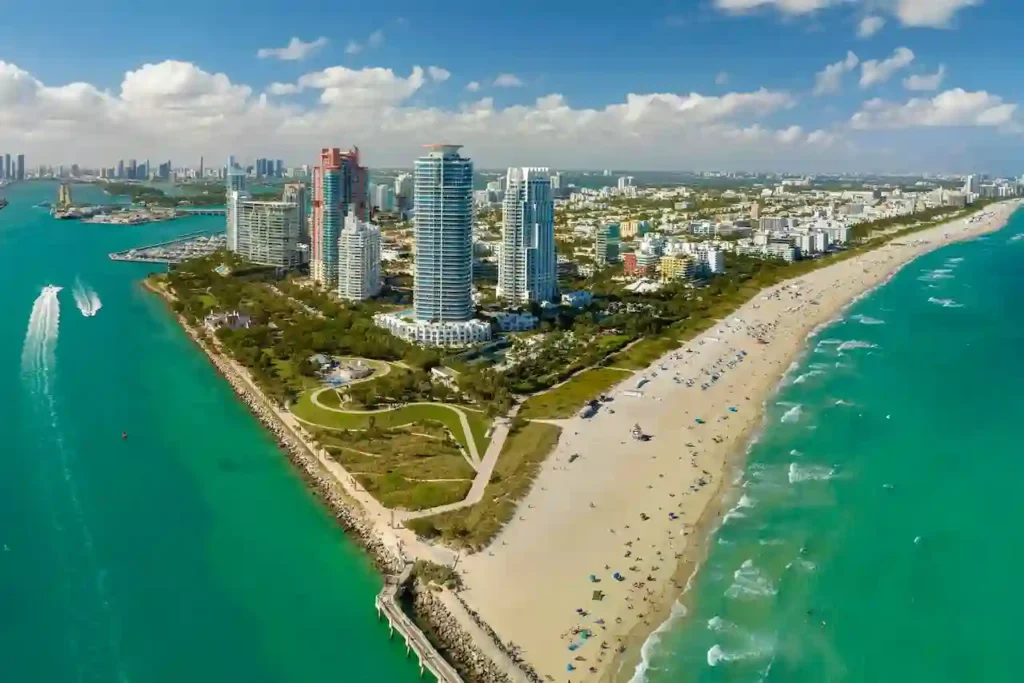
39. Miami, Florida
Miami is one of the most internationally connected cities in the United States, with a strong global presence in finance, trade, tourism, and technology. Its cultural diversity and strategic location give it an influence often compared to the largest cities in the world. The city attracts professionals, entrepreneurs, and remote workers looking for opportunity and lifestyle. While housing costs have increased, Miami continues to stand out as one of the most dynamic places to live in the country. Its energy, climate, and economic momentum remain key advantages.
- Population: Around 460,000
- Socioeconomic level: Diverse
- Safety level: Moderate
- Parks & landmarks: South Beach, Bayfront Park
- Cost of living: High; $75,000–$105,000
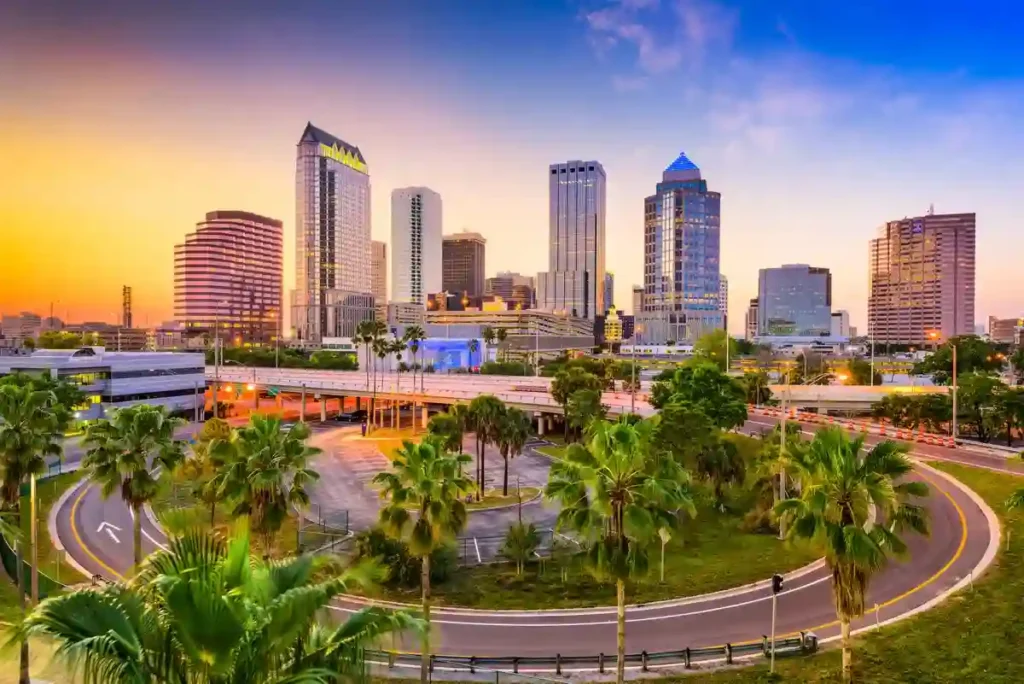
40. Tampa, Florida
Tampa has evolved into a major business and logistics center in Florida, supported by steady population growth. Its economy spans healthcare, finance, and technology, offering a balanced employment market. Compared to the largest cities in the world, Tampa provides a more manageable pace of life. The city appeals to professionals and families seeking stability without excessive costs. As a result, it is increasingly viewed as one of the most accessible places to live in the Southeast.
- Population: Approximately 400,000
- Socioeconomic level: Middle to upper-middle
- Safety level: Moderate
- Parks & landmarks: Tampa Riverwalk, Bayshore Boulevard
- Cost of living: Moderate; $65,000–$90,000
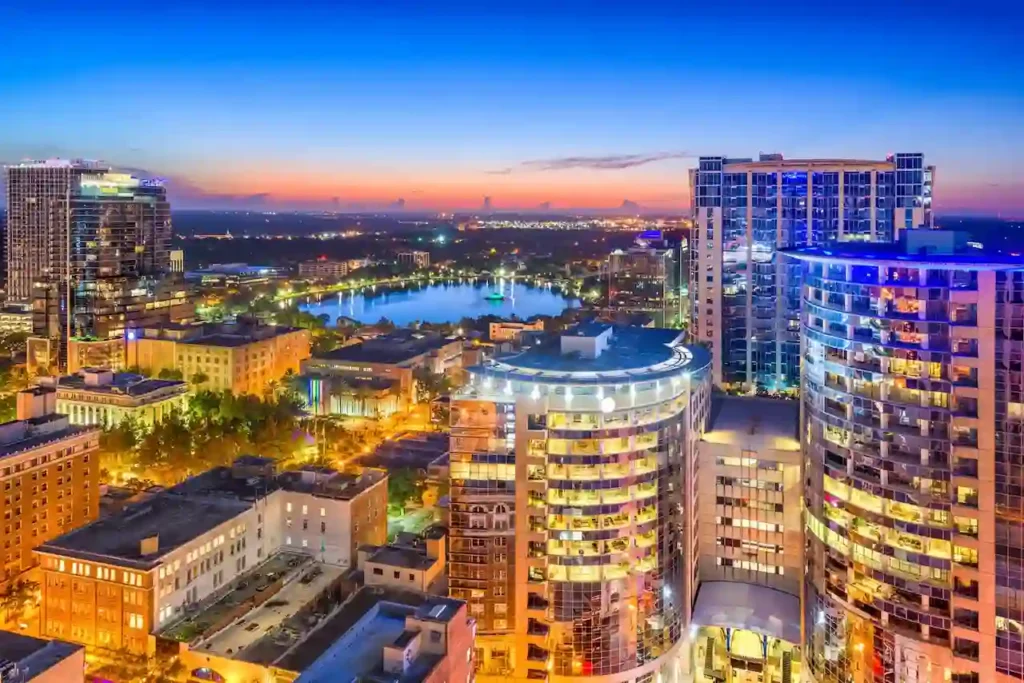
41. Orlando, Florida
Orlando’s economy has diversified significantly beyond tourism in recent years. Healthcare, education, and technology now play an important role in job creation. The city attracts families and professionals looking for steady employment and modern amenities. Compared to the largest cities in the world, Orlando offers greater affordability and lower congestion. These factors continue to position it as one of Florida’s most attractive places to live.
- Population: Around 320,000
- Socioeconomic level: Middle
- Safety level: Moderate
- Parks & landmarks: Lake Eola Park, theme resorts
- Cost of living: Moderate; $60,000–$85,000
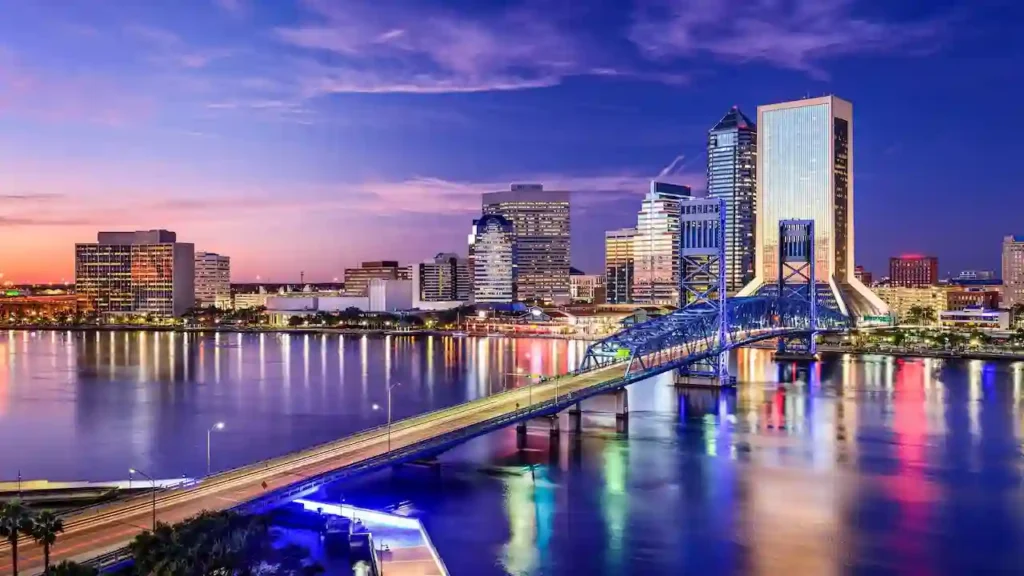
42. Jacksonville, Florida
Jacksonville combines economic opportunity with access to beaches, rivers, and open spaces. It is one of the largest cities by land area in the US, allowing for lower-density living. The cost of living remains competitive compared to the largest cities in the world. Its growing economy and housing availability attract long-term residents. Jacksonville is increasingly recognized as one of the more affordable places to live in Florida.
- Population: Approximately 980,000
- Socioeconomic level: Middle
- Safety level: Moderate
- Parks & landmarks: Jacksonville Beach, nature preserves
- Cost of living: Moderate; $60,000–$85,000
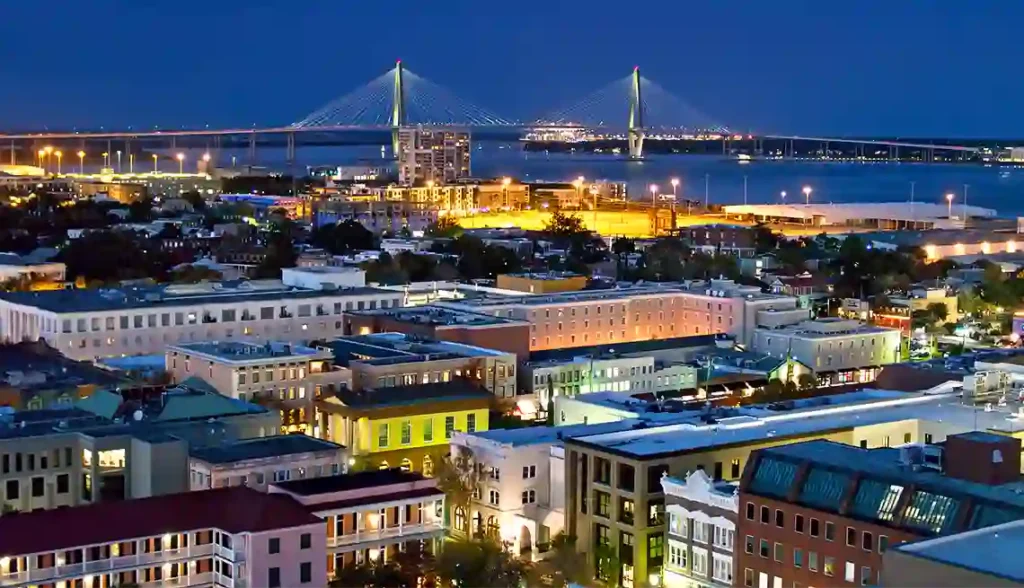
43. Charleston, South Carolina
Charleston blends historic character with steady economic development. Tourism, healthcare, and manufacturing support a stable job market. The city appeals to residents who value community and quality of life over scale. While far from the largest cities in the world, Charleston delivers strong livability. Its charm and consistency make it one of the most desirable places to live in the South.
- Population: Around 155,000
- Socioeconomic level: Upper-middle
- Safety level: High
- Parks & landmarks: Historic District, Waterfront Park
- Cost of living: Moderate-high; $65,000–$90,000
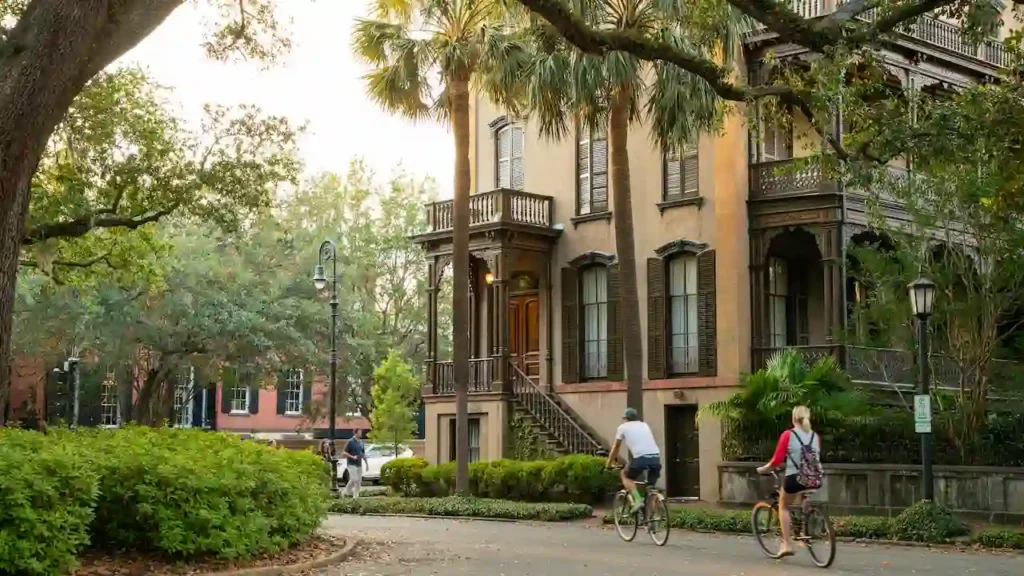
44. Savannah, Georgia
Savannah offers a slower pace of life shaped by a strong cultural and historic identity. Its economy is supported by tourism, logistics, and port-related industries that provide steady employment. The city attracts residents who value character-driven places to live over fast-paced urban growth. While Savannah does not compete in size with the largest cities in the world, it stands out for atmosphere and consistency. Its walkable layout, historic squares, and community feel remain defining advantages.
- Population: Approximately 150,000
- Socioeconomic level: Middle
- Safety level: Moderate
- Parks & landmarks: Forsyth Park, historic squares
- Cost of living: Moderate; $55,000–$80,000
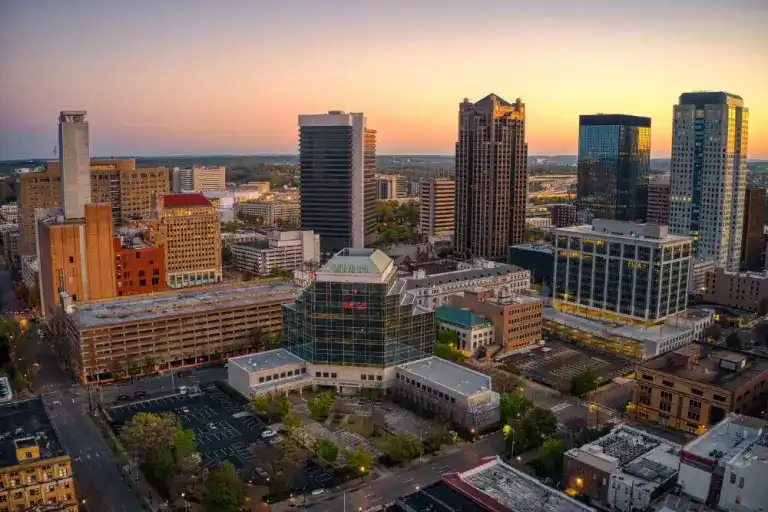
45. Birmingham, Alabama
Birmingham has seen steady revitalization driven by healthcare, education, and research sectors. These industries have helped stabilize the local economy and attract new residents. Housing affordability continues to be one of the city’s main advantages. Compared to the largest cities in the world, Birmingham offers opportunity with far lower financial pressure. This balance has positioned it as a practical and increasingly attractive place to live in the Southeast.
- Population: Around 200,000
- Socioeconomic level: Middle
- Safety level: Moderate
- Parks & landmarks: Railroad Park, Red Mountain Park
- Cost of living: Low-moderate; $50,000–$75,000
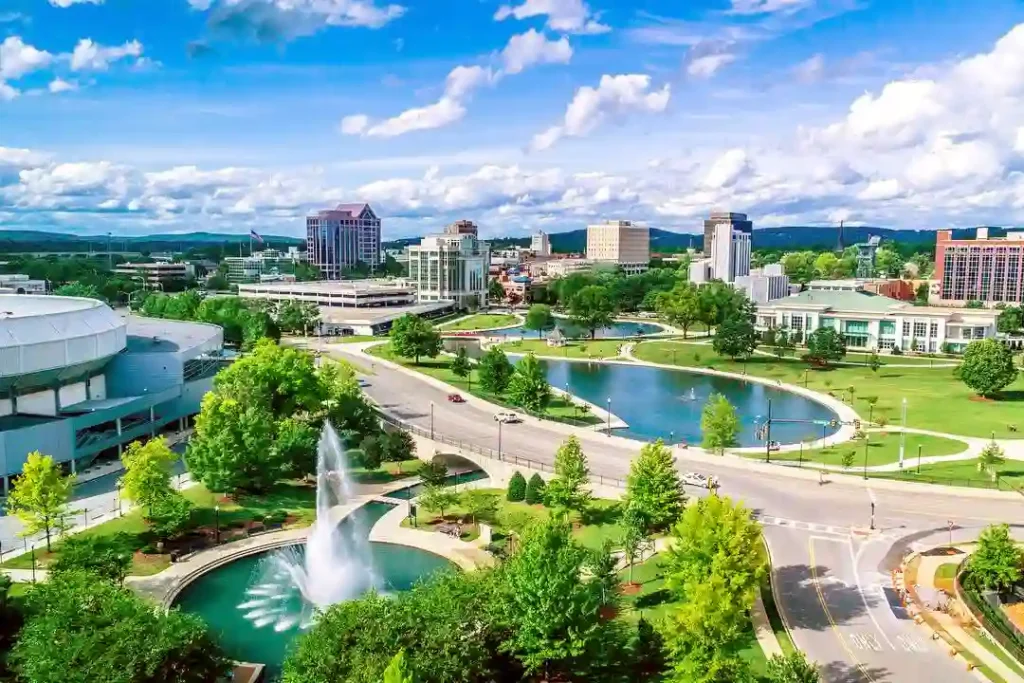
46. Huntsville, Alabama
Huntsville is one of the fastest-growing technology-oriented cities in the southern US. Aerospace, defense, and engineering industries form the backbone of its economy. The city attracts highly skilled professionals seeking stability and career growth. While smaller than the largest cities in the world, Huntsville’s expansion has been consistent and strategic. Its affordability and safety place it among the most promising emerging places to live.
- Population: Approximately 220,000
- Socioeconomic level: Upper-middle
- Safety level: High
- Parks & landmarks: Big Spring Park, space museums
- Cost of living: Moderate; $55,000–$80,000
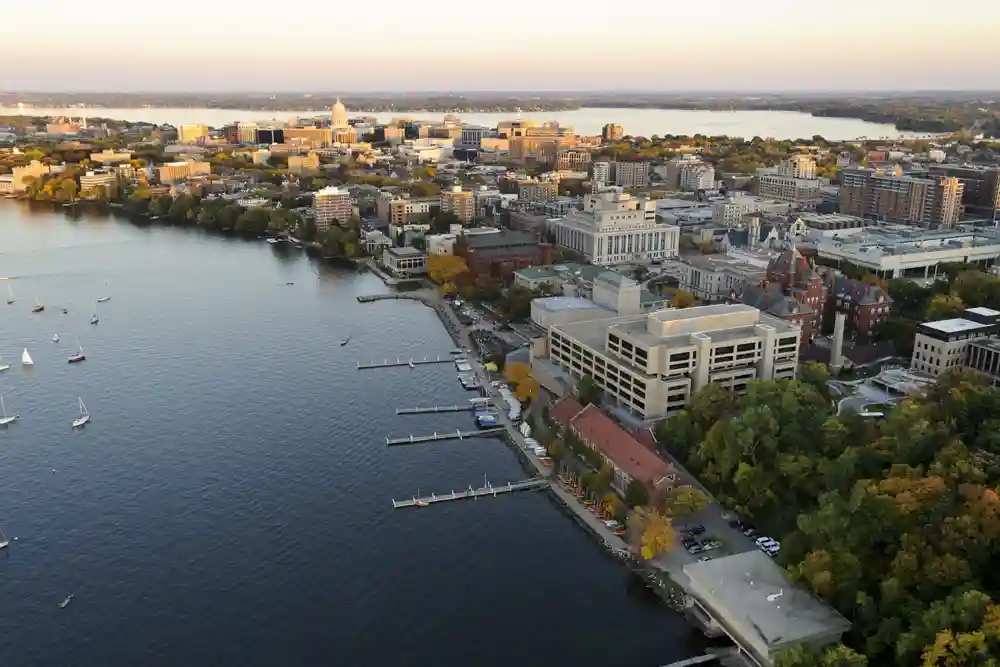
47. Madison, Wisconsin
Madison benefits from a strong education system and a stable public-sector economy. These factors contribute to consistent job growth and low unemployment. The city appeals to professionals and families looking for balance and long-term security. While it cannot be compared in scale to the largest cities in the world, Madison excels in livability. It remains one of the most reliable places to live in the Midwest.
- Population: Around 275,000
- Socioeconomic level: Upper-middle
- Safety level: High
- Parks & landmarks: Lake Mendota, Olbrich Botanical Gardens
- Cost of living: Moderate
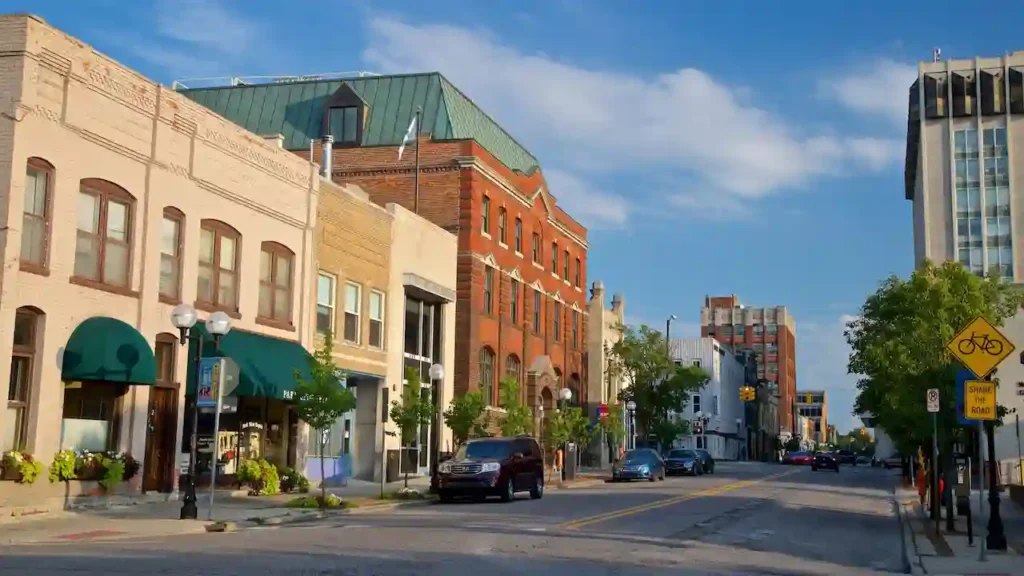
48. Ann Arbor, Michigan
Ann Arbor is shaped by education, research, and innovation, creating a knowledge-driven local economy. Its community-oriented environment attracts professionals, academics, and families. The city offers stability and a high standard of living. Although smaller than the largest cities in the world, Ann Arbor competes strongly in quality and consistency. It continues to rank among respected places to live nationwide.
- Population: Approximately 120,000
- Socioeconomic level: Upper-middle
- Safety level: High
- Parks & landmarks: Nichols Arboretum, Gallup Park
- Cost of living: Moderate-high
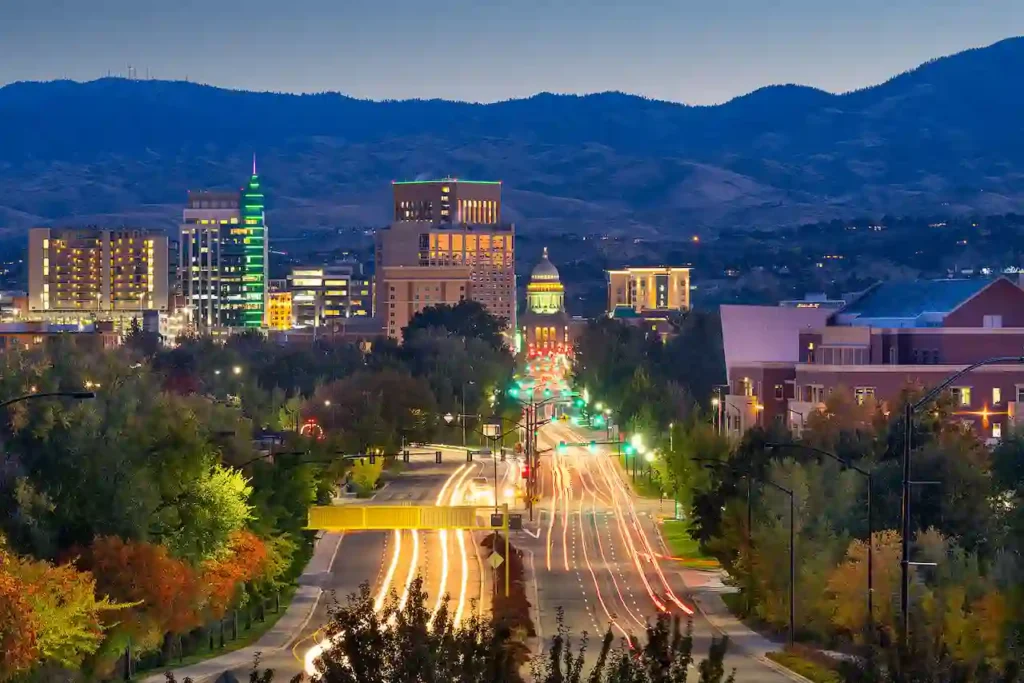
49. Boise, Idaho
Boise offers a balanced lifestyle supported by affordability, safety, and access to nature. Its economy has grown steadily, drawing new residents each year. The city appeals to those seeking space, stability, and long-term value. Compared to the largest cities in the world, Boise provides simplicity without sacrificing opportunity. This balance places it among the most consistent places to live in the Mountain West.
- Population: Around 235,000
- Socioeconomic level: Middle to upper-middle
- Safety level: High
- Parks & landmarks: Boise River Greenbelt, Camel’s Back Park
- Cost of living: Moderate
50. Plano, Texas
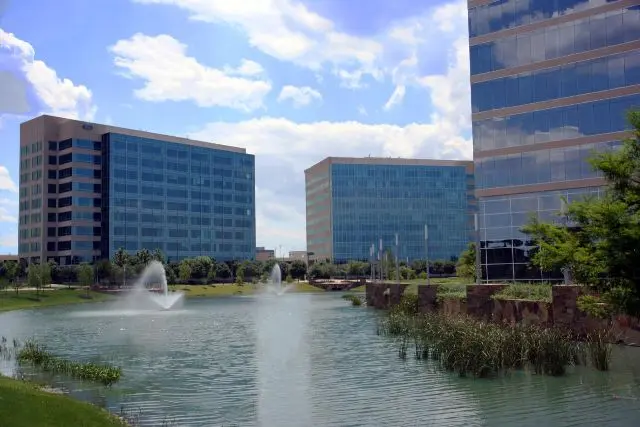
Plano combines economic strength with high-quality public services and strong urban planning. Its proximity to Dallas provides access to major employment centers without urban congestion. The city is known for safety and well-structured neighborhoods. While not on the scale of the largest cities in the world, Plano excels in organization and livability. It consistently ranks among the safest and most reliable places to live in the US.
- Population: Approximately 290,000
- Socioeconomic level: Upper-middle to high
- Safety level: Very high
- Parks & landmarks: Arbor Hills Nature Preserve, Legacy West
- Cost of living: Moderate-high
How we selected the best places to live in the US for 2026
Choosing the best places to live goes beyond trends, rankings, or short-term popularity. For this list, the focus was placed on how cities perform in everyday life and how well they respond to long-term needs. The goal was to highlight places to live that offer stability, opportunity, and quality of life, considering the realities faced by residents rather than surface-level appeal. This approach ensures that the cities selected remain relevant not only in 2026, but also in the years ahead.
| Key Factor | What We Evaluated |
|---|---|
| Quality of life | Access to healthcare, education, transportation, public services, safety levels, and overall community well-being. |
| Economic stability | Job availability, wage growth, economic diversity, and resilience to economic changes. |
| Affordability | Housing costs, utilities, taxes, and everyday living expenses in relation to local income levels. |
| Livability & services | Availability of parks, recreational areas, cultural spaces, and reliable infrastructure. |
| Long-term sustainability | Urban planning, environmental initiatives, infrastructure investment, and readiness for future growth. |
| Global competitiveness | How cities compare and adapt in relation to the largest cities in the world, particularly in innovation, transit, and smart development. |
Key trends shaping where people choose to live in 2026
The criteria people use to evaluate places to live has evolved significantly in recent years. Decisions are no longer driven only by job concentration or city size, but by how well a location supports daily life, long term stability, and personal well being. As a result, several clear trends are shaping where people choose to settle in 2026.
Remote work and lifestyle-driven decisions
Remote and hybrid work continue to influence relocation patterns across the US. With fewer professionals tied to a fixed office location, cities now compete on lifestyle rather than proximity to corporate headquarters. This has opened the door for smaller and mid-sized cities to attract new residents, particularly those that offer lower living costs while maintaining access to quality services, infrastructure, and amenities.
Safety, community, and everyday experience
Safety has become a decisive factor, but not in isolation. Beyond crime rates, people increasingly evaluate neighborhood dynamics, walkability, access to local businesses, and the overall sense of community. Cities that foster social connection, support local economies, and create welcoming environments are gaining recognition as desirable places for individuals and families seeking long-term roots.
Sustainability and future readiness
Environmental responsibility and long-term planning are now central to how cities are assessed. Investments in clean energy, efficient transportation systems, and resilient infrastructure signal a city’s readiness for future growth. These efforts not only improve quality of life for residents, but also help US cities strengthen their position when compared with the largest cities in the world, many of which face similar challenges related to density, climate impact, and sustainability.
Urban appeal and the role of global cities
Large metropolitan areas continue to draw attention despite rising costs and population density. Their appeal lies in economic opportunity, cultural diversity, and global connectivity. Many of the most recognized US cities maintain strong international ties, placing them in conversations alongside the largest cities in the world when it comes to influence and innovation.
However, living in a major urban center is no longer the default choice for everyone. While these cities offer unmatched access to industries, education, and cultural experiences, they also come with higher living expenses and faster-paced lifestyles. As a result, people are becoming more selective, comparing benefits and trade-offs more carefully than before.
This comparison has led to a more nuanced understanding of what makes certain locations desirable. It is no longer just about size or reputation, but about how well a city supports everyday life. Even so, the presence of US cities in global rankings highlights their continued relevance on an international scale, especially when evaluated against the largest cities in the world.
Rethinking the idea of the ideal place to live
In 2026, the idea of ideal places to live has become increasingly personal. People no longer choose a city based only on reputation or population size, but on how well it fits their lifestyle, goals, and daily needs. Career stage, family priorities, and personal preferences now play a defining role in where people decide to settle.
You might also be interested in: The best home security systems of 2026
Lifestyle priorities now shape city choices
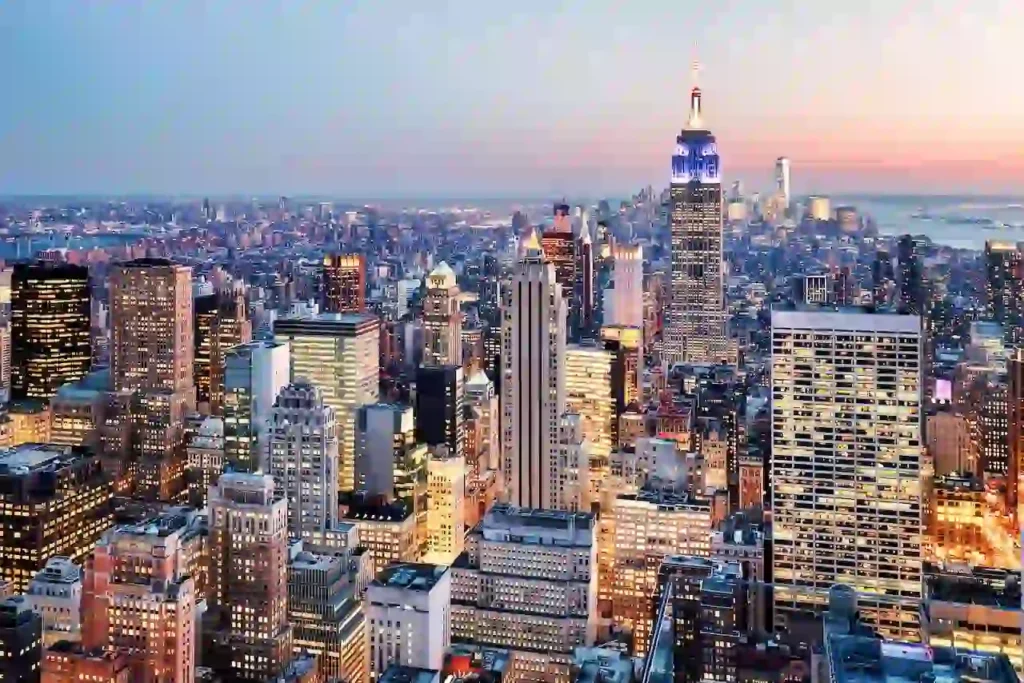
Modern cities are evaluated based on their ability to support different life stages. A location that works well for a young professional may not suit a growing family or someone seeking long term stability. This shift has changed how people compare places across the US, placing greater emphasis on comfort, flexibility, and quality of life.
- Key factors influencing these decisions include:
- Employment opportunities and economic stability
- Housing availability and affordability
- Cultural, recreational, and social environments
- Commute times and overall day-to-day convenience
Balance matters more than size
While large metropolitan areas continue to attract attention, many people are turning to cities that offer similar benefits without the pressures of scale. Some of the most attractive places to live today are not defined by size, but by how well they balance opportunity, affordability, and livability. This balance allows certain US cities to remain competitive even when compared with the largest cities in the world.
Looking beyond rankings: Choosing where to live involves more than following trends or rankings. Long-term economic health, public services, safety, and future planning often determine whether a city remains attractive over time. Understanding this broader context helps explain why certain locations consistently stand out year after year.
Large cities and their continued appeal
Major urban centers remain highly attractive for a significant portion of the population. Cities like New York, Los Angeles, Chicago, and San Francisco continue to draw professionals, entrepreneurs, and creatives thanks to their diverse economies and cultural reach. These cities are often compared directly with the largest cities in the world, as they operate on a similar scale in terms of population, infrastructure, and global influence.
Living in a large city offers unmatched access to industries, higher education, and international networks. For many, this level of connectivity outweighs challenges such as higher housing costs or longer commute times. As a result, these urban hubs continue to rank among the most desirable places to live for individuals seeking growth and exposure to global opportunities.
However, the appeal of large cities is evolving. Quality of life improvements, such as better public transportation and investment in green spaces, are becoming just as important as job availability. Cities that successfully adapt to these expectations are better positioned to remain competitive, not only nationally but also alongside the largest cities in the world.
The rise of mid sized and emerging cities
While major cities dominate headlines, mid-sized and emerging locations are quietly gaining popularity. Cities such as Raleigh, Boise, Madison, and Des Moines are increasingly recognized as some of the most balanced places to live in the country. These areas often combine economic stability with lower living costs and a slower pace of life.
One key advantage of mid-sized cities is accessibility. Shorter commutes, less congestion, and stronger community ties create an environment that many people find more sustainable in the long term. These cities may not match the global visibility of the largest cities in the world, but they excel at meeting everyday needs.
Another factor driving interest in these locations is flexibility. With remote work now widely accepted, people are less dependent on being physically close to corporate headquarters. This shift allows professionals to prioritize comfort and affordability without sacrificing career growth, making these cities increasingly attractive places to live in 2026.
Comparing urban scale and lifestyle
Choosing between a large metropolitan area and a smaller city ultimately comes down to personal priorities. Large cities offer diversity, innovation, and cultural density, while smaller cities often provide stability, space, and stronger local connections. Both options can be excellent places to live, depending on individual goals.
In global terms, US cities continue to perform well when compared with the largest cities in the world, particularly in areas such as economic opportunity and educational infrastructure. At the same time, smaller US cities demonstrate that livability does not require massive scale. Instead, thoughtful urban planning and community-focused development can deliver high quality of life regardless of population size.
This comparison highlights an important point: the best location is not defined by rankings alone, but by how well it aligns with personal expectations. Whether someone values cultural exposure or day-to-day convenience, the US offers a wide spectrum of places to live that meet different needs, including access to internationally recognized events and experiences such as New York Fashion Week tickets.
Conclusion
Choosing the best places to live in the US for 2026 requires looking beyond popularity and short-term growth. The cities highlighted throughout this guide demonstrate how economic stability, quality public services, safety, and affordability continue to shape long-term livability. While individual preferences vary, locations that offer balance and consistency remain the most attractive options for professionals, families, and long-term residents alike.
Ultimately, the most competitive places to live are not defined by size or global recognition, but by their ability to support daily life and future growth. Cities that invest in infrastructure, community development, and sustainable planning are better positioned to adapt to changing needs. As priorities evolve, these factors will continue to guide where people choose to settle with confidence in 2026 and beyond.
