
Elegir el tipo de ventanas adecuado para viviendas y locales comerciales es una de las decisiones más importantes al planificar una remodelación o mejora de un espacio, ya que influye directamente en la iluminación, la ventilación, la eficiencia energética y la seguridad de cualquier propiedad. Tanto en hogares como en negocios, conocer las diferentes opciones disponibles le permitirá tomar decisiones más estratégicas que combinen diseño, funcionalidad y protección.
In this complete guide, you will discover the main types of windows that exist, their benefits, and in which cases they are most recommended depending on how you want to use your space. In addition, we will explore when windows alone are not enough and why it is important to consider additional security services, especially in commercial properties.
You might also be interested in: The best home security systems of 2026
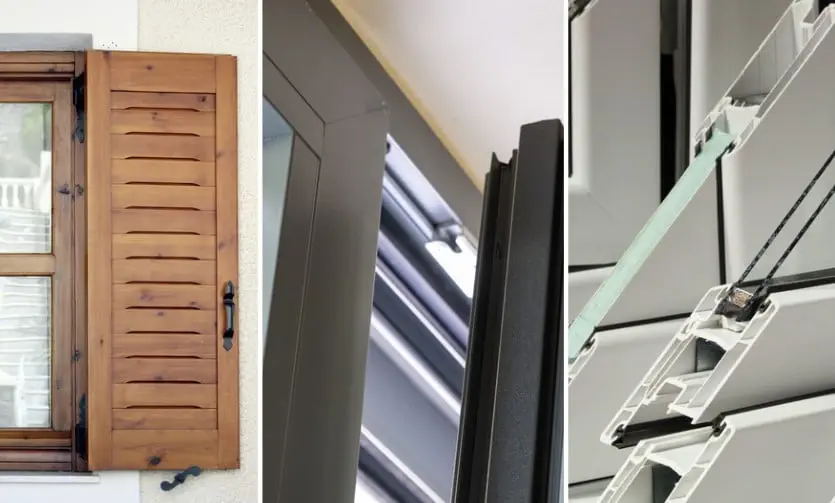
Why knowing different types of windows matters for your remodel
Choosing the right type of window goes far beyond aesthetics. Each window style serves a specific purpose, whether it’s improving ventilation, maximizing natural light, or enhancing outdoor views. Understanding the available options allows you to design spaces that are more functional, energy-efficient, and visually appealing both in residential homes and commercial properties.
1. Ventilation and Airflow
Proper ventilation is essential for maintaining a healthy and comfortable environment. Certain window types, such as casement or sliding windows, allow better air circulation, making them ideal for areas like kitchens, bathrooms, or high-moisture spaces. Choosing the right window can significantly improve indoor air quality.
2. Energy Efficiency and Cost Savings
The type of window you choose directly impacts energy consumption. Well-sealed, high-quality windows help maintain indoor temperatures, reducing the need for heating or cooling. This not only improves comfort but also leads to long-term savings.
3. Natural Lighting in Interior Spaces
Natural light plays a key role in how a space feels. Large or strategically placed windows can make rooms appear brighter, more open, and more inviting. Additionally, good natural lighting reduces the need for artificial light during the day.
4. Window Security
Security is a crucial factor when selecting windows, especially in commercial properties or urban areas. While some windows offer stronger locking systems, they may not be enough on their own. Evaluating the level of protection needed is essential to reduce risks.
5. Design and Architectural Style
Windows also play an important role in the overall aesthetic of a property. Each style brings a different visual identity, from traditional designs to modern, minimalist options. Choosing the right style helps maintain consistency in both interior and exterior design.
You might also be interested in: What is exterior home remodeling in 2026?
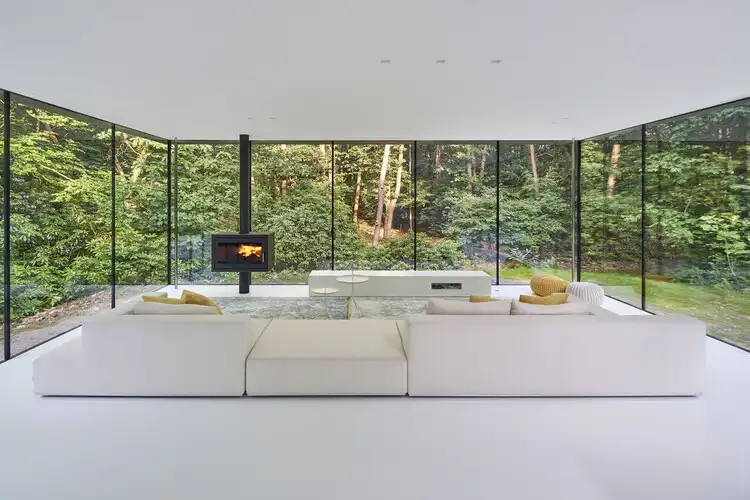
20 Popular Window Styles for Every Home
Understanding the most popular types of windows is essential when planning a remodel or upgrading a property. Each window style offers different advantages in terms of ventilation, natural light, energy efficiency, and security. Choosing the right option can improve both functionality and aesthetics while helping you make smarter long-term decisions.
For commercial properties, it’s also important to consider how windows integrate with other systems like access and protection. In many cases, businesses rely on solutions such as roller door service in New York to ensure both functionality and security.
| Types of windows | Best for | Key benefit |
| Single-hung | Bedrooms | Affordable |
| Double-hung | Living areas | Ventilation control |
| Sliding | Modern spaces | Wide views |
| Casement | Kitchens | Airflow |
| Awning | Rainy areas | Ventilation in rain |
| Bay/Bow | Living rooms | Space & light |
| Picture | Scenic areas | Views |
| Skylight | Dark rooms | Natural light |
| Tilt-turn | Modern homes | Versatility |
| Folding | Commercial | Indoor-outdoor flow |
1. Single-Hung Windows: Features, benefits and best uses
Single-hung windows are one of the most common types of windows in residential properties due to their simple design and affordability. They feature a fixed top sash and a movable bottom sash, making them easy to operate and maintain.
Best for: Bedrooms, small spaces
Key benefit: Energy efficiency and low cost
Design tip: Pair single-hung windows with light, flowing types of curtain bangs such as simple straight cuts or soft layers. These allow natural light to filter in without obstructing the functional movement of the bottom sash. In rooms like bedrooms or smaller living spaces, these windows create a cozy yet classic aesthetic.
2. Double-Hung Windows: Pros, Cons and Ideal Applications
Double-hung windows have two operable sashes, allowing both the top and bottom sections to open. This design improves airflow and gives more control over ventilation.
Best for: Living rooms, kitchens
Key benefit: Flexible ventilation
They are especially useful in areas where airflow is important, as warm air can escape through the top while cooler air enters from the bottom. Many modern models also tilt inward, making cleaning much easier.
Design tip: Among popular types of windows, double-hung windows pair beautifully with layered types of curtain bangs. Combining sheer panels with heavier drapes gives flexibility in controlling light, privacy, and aesthetic appeal. For instance, light sheer bangs allow sunlight while maintaining privacy during the day, while heavier curtains can provide insulation and darkness at night.
3. Sliding Windows: Modern Design and Easy Operation
Sliding windows open horizontally along a track, making them ideal for wide spaces. Their large glass panels provide unobstructed views and a modern aesthetic.
Best for: Living rooms, offices
Key benefit: Panoramic views
They are easy to operate and require minimal effort, which makes them a practical choice for high-traffic areas. Their simple mechanism also means less maintenance compared to more complex window types.
Design tip: Pair sliding windows with simple, straight types of curtain bangs to maintain the sleek and modern feel. Floor-length bangs or minimalist panels work especially well, emphasizing the window’s width and clean lines. For spaces like kitchens or dining rooms, choose fabrics that are easy to wash and resistant to sunlight fading.
4. Casement Windows: Maximum Ventilation and Efficiency
Casement windows are hinged on the side and open outward like a door. They are designed to catch side breezes, making them one of the best options for airflow.
Best for: Kitchens, bathrooms
Key benefit: Strong ventilation
Why choose them:
They seal tightly, improving energy efficiency.
Security insight:
They offer strong locking systems, but in commercial properties, additional protection may still be required.
Design tip: Casement windows complement types of curtain bangs that emphasize vertical lines, such as layered vertical bangs or long straight panels. This enhances the sense of height in a room, making spaces like kitchens feel more open and airy. For bathrooms, consider lightweight blinds or moisture-resistant fabrics to pair with casement windows.
5. Awning Windows: Ventilation Even in Rain
Awning windows are hinged at the top and open outward from the bottom. This design allows fresh air to enter while keeping rain out.
Best for: Bathrooms, humid areas
Key benefit: Weather protection
They are often installed higher on walls or combined with other window types to improve airflow without sacrificing privacy or protection.
Design tip: Among versatile types of windows, awning windows pair well with layered types of curtain bangs, allowing you to control sunlight while maintaining airflow. Shorter curtain bangs or café-style panels work especially well for kitchen or utility rooms, where functional ventilation is essential. For living areas, consider combining awning windows with full-length drapes to balance natural light and style.
6. Bay Windows: Space and Natural Light Enhancement
Bay windows extend outward from the wall, creating additional interior space and allowing more light to enter from multiple angles.
Best for: Living rooms
Key benefit: Extra space and light
They can be used to create seating areas or decorative nooks, adding both functionality and visual appeal to a room.
Design tip: Pair bay windows with flowing, layered types of curtain bangs to emphasize their shape. Sheer panels can soften the angles, while heavier drapes can frame the window for a more dramatic effect. This combination maximizes natural light while maintaining privacy and style.
7. Bow Windows: Elegant Curved Design
Bow windows consist of multiple panels arranged in a gentle curve, creating a softer and more elegant look compared to bay windows.
Best for: Decorative spaces
Key benefit: Panoramic light and design
They allow more light into the room and can make spaces feel larger and more open.
Design tip: Bow windows work beautifully with soft, flowing types of curtain bangs that follow the curve, adding a sense of continuity and elegance. Shorter sheer bangs or layered panels can also highlight the window’s rounded design while maintaining function.
8. Picture Windows: Unobstructed Views
Picture windows are fixed windows that do not open, designed to frame outdoor views like a picture.
Best for: Scenic locations
Key benefit: Maximum natural light
Because they do not open, they are highly energy-efficient and require very little maintenance.
Design tip: Since picture windows are fixed, pairing them with elegant types of curtain bangs can add warmth and texture to the room. Consider floor-length drapes, layered panels, or sheer bangs to frame the view without obstructing the natural light.
9. Skylights: Natural Light from Above
Skylights are installed on the ceiling and bring natural light into areas that may not have wall space for traditional windows.
Best for: Bathrooms, hallways
Key benefit: Bright interiors
They are ideal for improving lighting in darker areas and can make rooms feel more spacious and open.
Benefits for homeowners:
- Natural lighting: Skylights maximize daylight, reducing the need for artificial lighting.
- Energy savings: Properly installed skylights can help reduce energy costs by decreasing the need for electric lighting during the day.
- Aesthetic impact: Skylights create an open, airy feel, making rooms appear larger and more inviting.
Design tip: Skylights pair well with types of curtain bangs like motorized blinds or soft, lightweight shades to control glare and heat. In living spaces, a combination of skylights and vertical window treatments can balance sunlight and maintain privacy.
10. Garden Windows: Functional and Decorative
Garden windows extend outward and create a small greenhouse-like space, often used for plants or decoration.
Best for: Kitchens
Key benefit: Natural light + display space
They are perfect for adding both functionality and visual interest, especially in smaller areas.
Design tip: Among functional types of windows, garden windows work best with short or layered types of curtain bangs that don’t block the glass, allowing maximum light for plants while keeping the window visually appealing. For kitchens or breakfast areas, lightweight sheer bangs can maintain brightness while softening direct sunlight.
11. Arched Windows: Architectural Elegance
Arched windows feature a curved top that adds a classic and elegant architectural element to any space. They are commonly used to create visual interest and soften rigid lines in both traditional and modern designs.
Best for: Entryways, living rooms
Key benefit: Strong visual impact
They are often installed as focal points and can significantly enhance curb appeal. While many arched windows are fixed, some designs can be combined with operable windows below to improve functionality.
Design considerations:
When planning arched windows, consider ceiling height and wall space to ensure the curve is visually effective. Pairing them with complementary types of curtain bangs, such as flowing, layered, or curved designs, accentuates the arch while offering privacy and light control. Decorative rods, tiebacks, or sheers can further enhance aesthetics without interfering with the window’s architectural beauty.
12. Circular Windows: Unique Design Feature
Circular windows, also known as round windows, are primarily decorative and used to add character to a space. Their shape makes them stand out compared to traditional window styles.
Best for: Accent walls, staircases, bathrooms
Key benefit: Distinctive aesthetic
They allow natural light into smaller or unconventional areas where standard windows may not fit. Most circular windows are fixed, making them low-maintenance and energy efficient.
Design considerations:
Circular windows are a unique style among types of windows and pair well with subtle types of curtain bangs, like curved sheers or small drapery accents, to enhance their visual charm without obstructing light. Placement near other windows or as standalone focal points ensures balance in room design. Consider using frosted or textured glass for added privacy in bathrooms or hallways.
13. Tilt-and-Turn Windows: Versatility and Safety
Tilt-and-turn windows offer dual functionality: they can tilt inward from the top for controlled ventilation or fully open like a door for maximum airflow.
Best for: Modern homes, apartments
Key benefit: Flexible operation
They are easy to clean from the inside and provide excellent sealing when closed, improving energy efficiency.
Design considerations:
Tilt-and-turn windows are a versatile option among types of windows and pair nicely with vertical or layered types of curtain bangs, allowing flexible light control without interfering with operation. Their dual functionality—tilting for ventilation or fully opening like a door—makes them ideal for contemporary, minimalist, and modern homes. When planning installation, ensure proper clearance for the swinging sash to avoid obstructions and to maintain safety.
Additionally, selecting finishes, frame colors, and hardware that complement the room’s style can enhance the overall aesthetic. Tilt-and-turn windows also offer benefits such as easy interior cleaning, improved airflow, and energy efficiency, making them a practical and stylish choice for bedrooms, kitchens, or living spaces where both form and function are essential.
14. Jalousie Windows: Maximum Airflow
Jalousie windows consist of horizontal glass slats that open and close simultaneously, allowing continuous airflow.
Best for: Warm and tropical climates
Key benefit: Constant ventilation
They are ideal for areas where airflow is more important than insulation. However, they may not provide the same level of security or energy efficiency as sealed window types.
Design considerations:
Jalousie windows work best with short or café-style types of curtain bangs, allowing sunlight while maintaining function. They are particularly suited to tropical or coastal homes, and can be combined with other window styles to enhance aesthetics. Ensure slats are maintained to prevent wear and ensure smooth operation.
15. Transom Windows: Extra Light Without Losing Privacy
Transom windows are small horizontal windows placed above doors or other windows to increase natural light.
Best for: Hallways, bathrooms
Key benefit: Light without compromising privacy
They help distribute light across rooms without taking up additional wall space. Transom windows are often used in combination with larger windows to enhance overall brightness.
Design considerations:
Pair transom windows with short or minimal types of curtain bangs only if needed for shade. They are excellent for both traditional and modern homes with high ceilings. Frosted or textured glass can enhance privacy while still allowing light, and installation above doorways should consider proper structural support.
16. Storm Windows: Extra Protection
Storm windows are installed as an additional layer over existing windows to improve insulation and protect against harsh weather conditions.
Best for: Cold or extreme climates
Key benefit: Improved insulation
They reduce drafts, outside noise, and energy loss. Storm windows are also a cost-effective way to upgrade older windows without replacing them entirely.
Design considerations:
Storm windows are a protective style among types of windows and can be paired with traditional types of curtain bangs, like layered or sheer panels, without interfering with operation. Choose removable or sliding models for easier cleaning and maintenance. Consider double-glazed options for improved insulation. Proper installation ensures airtight seals and optimal performance.
17. Clerestory Windows: High-Level Light Entry
Clerestory windows are installed high on walls, typically near the ceiling, to bring in natural light while maintaining privacy.
Best for: Modern homes, open spaces
Key benefit: Light without sacrificing privacy
They are commonly used in contemporary architecture to create a bright and open atmosphere while keeping wall space available for furniture or decor.
Design considerations:
Clerestory windows pair well with minimal types of curtain bangs or lightweight shades only if light control is needed. They complement modern and contemporary designs with high ceilings. Consider frosted or textured glass for bathrooms or private areas. Combining clerestory windows with lower windows can balance natural light and airflow in the room.
18. Hopper Windows: Compact and Practical
Hopper windows are bottom-hinged windows that open inward, making them ideal for tight or low-wall spaces.
Best for: Basements, bathrooms
Key benefit: Space efficiency
They provide ventilation while maintaining security and are often used in areas where larger windows are not practical.
Design considerations:
Hopper windows pair best with short or subtle types of curtain bangs, such as café curtains or mini blinds, which do not interfere with opening. Their compact design makes them suitable for basements or bathrooms. Ensure proper placement for safe operation and easy cleaning. Consider moisture-resistant materials if installing in humid areas.
19. Custom-Shaped Windows: Unique Architecture
Custom-shaped windows are designed to fit specific architectural needs, including triangular, hexagonal, or irregular shapes.
Best for: Unique designs, modern architecture
Key benefit: Full customization
They allow homeowners to create visually distinctive spaces and maximize natural light in unconventional layouts. However, they often require professional installation.
Design considerations:
Custom-shaped windows are one of the most unique types of windows and pair perfectly with adaptable types of curtain bangs, like motorized shades, sheers, or layered panels tailored to the shape. Consider professional installation for structural safety and ease of maintenance. These windows fit best in modern or creative interiors where the design statement is a priority. Cleaning tools or professional services may be required due to unusual shapes.
20. Folding Windows: Indoor-Outdoor Connection
Folding windows, also known as accordion windows, consist of multiple panels that fold and stack to one side, creating a wide opening.
Best for: Commercial spaces, patios
Key benefit: Seamless indoor-outdoor flow
They are ideal for restaurants, cafes, or modern homes that prioritize open spaces.
Design considerations:
Accordion windows work beautifully with long, flowing types of curtain bangs that can be drawn to the sides or layered for privacy. Proper structural support and high-quality tracks are essential for smooth operation. Consider weatherproofing, insulation, and security features. These windows are ideal for open-concept or modern designs, creating flexibility and enhancing lifestyle comfort.
You might also be interested in: The 7 wettest place on earth where It never stops raining
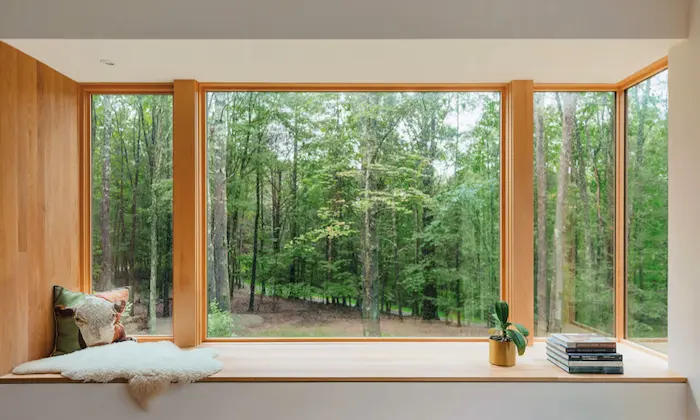
Tips for choosing the right windows for your remodel
Selecting the perfect windows for your home remodel involves balancing aesthetics, functionality, and energy efficiency. With so many types of windows available, it’s important to consider how each style will impact natural light, ventilation, and overall design. Here are some practical tips to guide your decision:
| Tip | Why It Matters | Practical Example |
|---|---|---|
| Determine Room Function | Windows should suit the room’s purpose, whether it’s ventilation, light, or privacy. | A kitchen benefits from hopper or casement windows for airflow, while a living room may prefer bay or picture windows for views. |
| Consider Light Needs | Think about how much sunlight you want throughout the day. | Skylights or clerestory windows bring light to darker rooms, while storm windows can maximize insulation without blocking light. |
| Check Energy Efficiency | Modern windows should reduce heat loss or gain to save on energy bills. | Double or triple-glazed windows help maintain temperature year-round. |
| Match Architectural Style | Window style should complement your home’s design. | Arched or circular windows suit traditional homes, while accordion or folding windows fit modern open-concept spaces. |
| Measure Properly | Accurate measurements prevent installation issues. | Always check wall space, ceiling height, and potential obstructions before purchasing. |
Choosing the right windows is not just about style, it’s about how they interact with your living spaces. Consider how each window type can enhance functionality, comfort, and visual appeal to ensure your remodel achieves the best results.
How to pair windows with curtain styles for the perfect look
Windows and curtains work together to define a room’s atmosphere, influencing both aesthetics and functionality. Choosing the right combination can enhance natural light, create a sense of height or space, and unify your interior design seamlessly. Different types of windows serve different purposes, from maximizing views with picture windows to improving ventilation with casement or hopper windows. Understanding how each window type interacts with curtain styles allows homeowners to control light, privacy, and temperature more effectively.
| Window Type | Recommended Curtain Style | Why It Works |
|---|---|---|
| Bay / Bow Windows | Layered or flowing curtains | Enhances depth and dimension |
| Picture Windows | Floor-length drapes or sheers | Frames the view without blocking light |
| Skylights | Motorized blinds or shades | Easy light control |
| Arched / Circular Windows | Curved rods + custom curtains | Highlights unique shape |
| Folding Windows | Side-drawn curtains | Keeps opening flexibility |
| Hopper / Clerestory | Minimal blinds or shades | Maintains functionality |
Additional Tips:
- Use curtain rods or tracks that match the window design, curved rods for arches, ceiling-mounted tracks for folding windows.
- Choose fabrics that suit the room’s purpose: heavier drapes for bedrooms, light sheers for living areas.
- Layering curtains can provide both aesthetic appeal and functional control over light and privacy.
By thoughtfully pairing your windows with the right curtain styles, you can enhance both the beauty and functionality of your spaces, creating a cohesive, elegant look throughout your home.
How to Choose Curtains for Large Windows
Large windows can transform a space by bringing in abundant natural light and creating a sense of openness. However, choosing the right curtains for large windows requires careful consideration to balance light control, privacy, and overall design. The right window treatments can enhance the scale of the room while maintaining functionality and visual harmony.
1. Best curtains for large windows in living rooms
Living rooms with large windows benefit from curtains that enhance natural light without overwhelming the space. Sheer curtains or lightweight fabrics are ideal, as they allow sunlight to pass through while adding softness to the room.
For a more versatile solution, layering sheer curtains with heavier drapes allows you to adjust light and privacy throughout the day.
2. What curtain length works best for large windows
Curtain length plays a key role in the overall aesthetic. Floor-length curtains are the most recommended option for large windows, as they create a sense of height and elegance.
In modern interiors, extra-long curtains that slightly touch or “pool” on the floor can add a more luxurious and refined look.
3. Best fabric choices for large window curtains
Choosing the right fabric is essential for both style and functionality. Lightweight materials such as linen or sheer fabrics are ideal for bright spaces, while thicker materials like velvet or blackout fabrics are better for rooms that require more privacy or light control.
The fabric should also complement the room’s design and be durable enough to cover larger areas without losing shape.
4. Curtains vs blinds for large windows
When deciding between curtains and blinds for large windows, it’s important to consider both functionality and aesthetics. Curtains provide a softer and more decorative look, while blinds offer a more minimal and practical solution.
In many cases, combining both such as using blinds for light control and curtains for design offers the best results.
5. How to hang curtains on wide windows properly
Proper installation is key when working with large windows. Curtain rods should extend beyond the width of the window to make the space appear larger and allow curtains to fully open without blocking light.
Mounting the rod closer to the ceiling can also create the illusion of taller walls, enhancing the overall proportions of the room.
Frequently asked questions about types of windows
Choosing the right windows involves more than just design—it also requires understanding functionality, energy efficiency, and long-term performance. Below are some of the most common questions homeowners and business owners ask when exploring different types of windows.
1. What are the most common types of windows for homes?
The most common types of windows for homes include single-hung, double-hung, sliding, casement, and picture windows. Each option serves a different purpose depending on the space.
For example, double-hung windows are ideal for versatility and ventilation, while picture windows are better suited for maximizing natural light and outdoor views. Choosing the right type depends on your priorities, such as airflow, aesthetics, or energy efficiency.
2. Which type of window is best for energy efficiency?
Casement windows and double- or triple-pane windows are considered some of the most energy-efficient options. This is because they seal tightly when closed, preventing air leaks and improving insulation.
Additionally, modern window technologies such as low-E glass and insulated frames can significantly reduce energy loss, making your home more comfortable and lowering heating and cooling costs over time.
3. What type of windows are best for ventilation?
Windows that open fully or partially are best for ventilation. Casement windows, sliding windows, and double-hung windows are among the top choices because they allow air to circulate more effectively.
Casement windows, in particular, are excellent for capturing side breezes, making them ideal for kitchens, bathrooms, or any area where airflow is a priority.
4. Are large windows energy efficient?
Large windows can be energy efficient if they are designed with the right materials. Features such as double glazing, insulated frames, and proper sealing help prevent heat loss and improve overall efficiency.
However, without these features, large windows may lead to temperature fluctuations. That’s why it’s important to choose high-quality materials and proper installation.
