
The way people protect their homes has changed quickly, and 2026 reflects a moment in which safety, convenience, and technology merge more naturally than ever. Homeowners expect solutions that fit their routines, adapt to their spaces, and offer real peace of mind. As daily life becomes more dynamic, the importance of choosing an effective home security system has grown significantly. Today’s options bring together reliable monitoring, smart alerts, and flexible installation methods that help every type of household feel more secure.
You might also be interested in: What is exterior home remodeling in 2026?
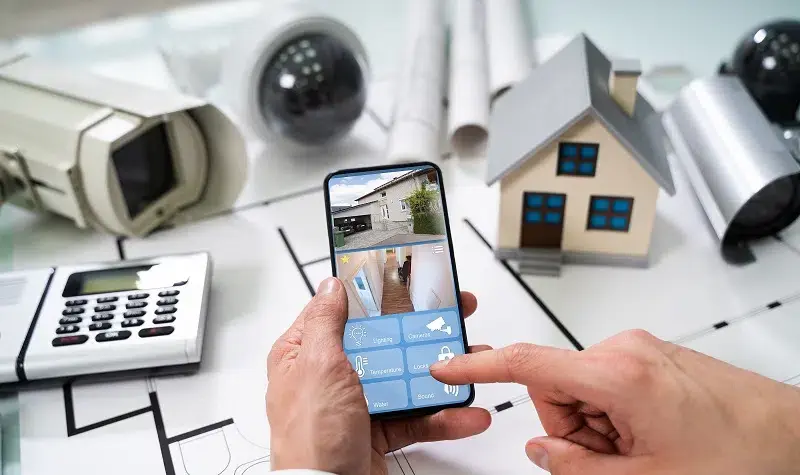
Why Home Security Matters More Than Ever in 2026
The need for constant awareness has placed home security at the center of household priorities. With more flexible work routines and people spending longer periods away from home, having real-time visibility creates reassurance and reduces stress.
Advances in technology have amplified this shift. Better sensors, smoother app integration, and setup flexibility explain why the wireless security system has become increasingly preferred for modern households.
Key reasons home security demand increased in 2026
- Families spend more time outside the home.
- Deliveries and services occur daily, increasing the need for monitoring.
- Remote work means balancing personal and professional schedules.
- Smart devices have simplified how homeowners stay informed.
What to Look for in a Modern Home Security System
A modern home security system should blend effortlessly with daily life. Homeowners typically look for clear mobile apps, simple installation, and features that feel intuitive rather than technical. Systems that are easy to use encourage consistent and confident monitoring.
Dependability is equally important. Strong alerts, durable hardware, and stable connectivity help ensure the home security system responds quickly when something happens. The wireless security system stands out because it is flexible, adaptable, and requires no complicated wiring.
Core elements every modern system should include
- Reliable motion detection
- Indoor and outdoor camera support
- Environmental alerts like smoke or leak sensors
- Night vision capabilities
- Clear and fast push notifications
- Secure remote access
Why wireless setups dominate in 2026
- Easy installation without drilling or rewiring
- Expandable coverage for remodeled or growing homes
- Devices can be repositioned anytime
- Faster setup for renters or households planning to move
Essential Features for Everyday Protection
A strong home security system covers common day-to-day scenarios. Motion sensors protect entry points, while well-placed cameras offer clear visibility throughout the day. Environmental detection adds another layer of protection, helping prevent unexpected issues beyond intrusion.
Timely notifications also matter. Whether homeowners are at work, traveling, or busy with family routines, fast alerts help them stay connected and aware, reinforcing their confidence in home security as part of their everyday life.
How Wireless Technology Supports Safer Homes
Wireless integration has transformed home security by making systems easier to install, maintain, and expand. A wireless security system adapts to different layouts, home improvements, or lifestyle changes without requiring construction work.
Improvements in battery performance, connectivity range, and app stability have made wireless devices a dependable choice for 2026. These advantages explain why many homeowners consider the wireless security system the most practical option today.
Advantages homeowners appreciate the most
- No installation damage to walls
- Faster setup suitable for busy lifestyles
- Simple device pairing through mobile apps
- Ability to add cameras or sensors over time
- Flexible placement to improve coverage
User-friendly options for families and busy homeowners
Families with demanding schedules often choose systems that offer simplicity. They prefer clear dashboards, organized alerts, and easy-to-manage settings that make home security accessible to every member of the household.
User-friendly design reduces mistakes and supports consistent monitoring even during the busiest weeks, helping travelers, working parents, and frequent movers stay better protected.
Popular user-friendly system styles in 2026
- All-in-one hubs with minimal setup
- Wireless security system kits designed for renters
- Camera-only bundles with smart motion filtering
- Systems with voice-assistant integration for hands-free use
Practical features that make everyday management easier
- Quick-arm and quick-disarm buttons
- Automatic reminders when the system is left off
- Shared access profiles for family members
- Activity summaries that simplify daily monitoring
Top wireless security system trends for 2026
Homes are increasingly adopting more modern home security options, and many of the biggest trends in 2026 focus on the flexibility and efficiency offered by wireless security systems. This shift allows users to strengthen their protection routines without relying on complex installations or invasive equipment.
These trends not only enhance home monitoring but also make security more adaptable for apartments, family homes, and larger properties.
1. Smart integrations that elevate home safety
One of the most important innovations of 2026 is the smart integration between wireless security systems and connected home platforms. Users can automate routines such as turning on lights when motion is detected, activating digital locks, or receiving contextual alerts based on behavior patterns.
These integrations allow home security systems to work in a more preventive way, helping reduce risks before they escalate.
2. New advancements in wireless sensors and cameras
Innovation in wireless sensors is a key focus this year. Manufacturers are developing detectors with greater thermal accuracy, cameras with enhanced image processing, and algorithms that reduce false alarms caused by pets or environmental changes.
These advancements allow wireless security systems to adapt more effectively to different home dynamics, especially when faster and more reliable responses are required.
3. Improved reliability and long-range connectivity
Another key trend is the expansion of connection range. New home security systems can cover larger homes without losing stability. Optimized long-lasting batteries and more efficient network protocols ensure continuous monitoring even during power outages or Wi-Fi failures.
For spacious properties or multi-level homes, this improvement makes a significant operational difference.
4. SecureLite Apartment Kit
SecureLite stands out among wireless security systems designed for apartment living. It’s compact, lightweight, and equipped with motion sensors specifically engineered for small spaces. Its simple setup allows anyone to install it within minutes, with no cables or extra equipment required.
This type of solution shows that home security systems are no longer limited to large houses; they now adapt perfectly to people who need practical, reliable protection in smaller spaces.
5. Outdoor Defense Max
Outdoor Defense Max has become a leading option for exterior protection thanks to its weather-resistant build, enhanced night vision, and ability to operate in areas where other cameras lose signal. This model delivers advanced monitoring for gardens, parking areas, and wide perimeters.
Its robust design and extended connectivity range position it as one of the most complete home security systems for outdoor protection.
Best home security systems of 2026: A practical comparison
This comparison offers a clear way to evaluate which options on the market truly stand out and why. Each of the following home security systems provides distinct features designed for different lifestyles and property types. Some excel in smart automation, while others prioritize durability, extended range, or faster emergency response. There are options built for small apartments, large multi-level homes, and even properties that require specialized outdoor monitoring.
By examining their strengths, performance, and real-world usability, homeowners can choose the system that aligns best with their daily routines, security needs, and long-term protection goals.
Comprehensive Smart Home Shield
This model is ideal for homes looking for a complete, all-in-one solution. It includes smart cameras, multi-layer sensors, and compatibility with major voice assistants. Its predictive analysis and ability to integrate with lighting, locks, and other home devices make it one of the most versatile wireless security systems of the year.
On top of that, its mobile app delivers detailed alerts and intuitive controls, helping users maintain constant oversight without complications. It’s a strong fit for households that want seamless automation, reliable monitoring, and an easy way to manage every security feature from a single platform.
Wireless Guardian Pro
Wireless Guardian Pro focuses on delivering a robust, high-resilience setup. It’s designed for users who prioritize perimeter defense and advanced detection. Its high-definition cameras and reinforced sensors make it an excellent choice for homes with multiple entry points.
This model stands out among home security systems thanks to its ability to operate reliably even in areas with signal interference, ensuring continuous protection in demanding conditions.
Advanced Neighborhood Watch Hub
Unlike other home security systems, this model focuses on collaborative neighborhood security. It allows users to share verified alerts, coordinate community monitoring, and receive notifications based on activity detected in the surrounding area.
It works both as a smart extension of the home and as a bridge between residents, strengthening prevention and response to unusual situations. It also integrates with multiple types of wireless security systems, expanding its overall usefulness and making it a strong option for communities that value shared protection.
How to Choose the Right System for Your Home
Choosing the right equipment requires evaluating the specific characteristics of each property and the real needs of the people living in it. While there are plenty of options available, not all home security systems deliver the same level of coverage, ease of use, or operational efficiency.
Homeowners should consider factors such as property size, the number of entry points, existing smart devices, and the level of automation they expect. Budget also plays a role, as some systems offer advanced features—like AI-driven alerts or extended outdoor range—while others prioritize simplicity and quick installation.
Below are the most important factors to review when making an informed, effective decision that truly enhances long-term home protection.
Assessing your property’s vulnerabilities
Assessing the size of the home, main entry points, dark areas, and the most vulnerable access points helps determine which type of system will be most effective. This initial review prevents investing in unnecessary setups and allows homeowners to prioritize features that truly add value.
Wireless security systems are particularly useful when flexibility is needed to cover different types of environments without major construction or complex installations.
Balancing costs, features, and long-term value
A good system should not only fit the budget but also provide features that remain relevant over time. Comparing cloud storage, video quality, battery life, and expansion capabilities helps avoid premature replacements.
The best home security systems of 2026 stand out for their balance between initial cost, durability, and updates that extend their useful life.
Why wireless security systems simplify installation and maintenance
Wireless security systems have gained widespread adoption thanks to their practical installation and simple maintenance. They require no internal wiring, function seamlessly even if you move homes, and allow extra sensors, cameras, or smart devices to be added without hassle.
Their flexibility extends beyond installation. Many models offer mobile app controls, real-time alerts, and cloud-based monitoring, giving homeowners constant oversight from anywhere. Integration with smart home platforms further enhances automation, enabling routines like turning on lights, locking doors, or triggering alarms automatically.
This adaptability, combined with lower long-term costs and ease of scaling, is why wireless security systems are increasingly preferred over traditional, hardwired setups, especially in apartments, rental properties, and modern homes where convenience and versatility are priorities.
Final thoughts on building a safer home in 2026
Building a secure home in 2026 means carefully evaluating options, comparing features, and selecting home security systems that can adapt to the lifestyle and needs of each household. The latest advancements in wireless security systems bring new possibilities, including extended battery life, enhanced sensor accuracy, and smarter integrations with connected devices.
Modern systems now offer predictive alerts, AI-driven monitoring, and seamless mobile control, allowing homeowners to respond proactively rather than reactively. Flexible setups can cover everything from apartments and townhouses to large multi-level properties, ensuring consistent protection across all areas.
Additionally, many of these systems provide easy scalability, letting families add cameras, motion detectors, or environmental sensors as needs change. By combining careful planning with cutting-edge technology, maintaining a secure home has become more intuitive, efficient, and cost-effective than ever, making comprehensive protection accessible for a wider range of households.
