
Sliding gate problems are widely used in residential, commercial, and industrial properties because they offer security, convenience, and efficient space usage. However, like any mechanical system, they are not free from problems. Over time, exposure to weather conditions, continuous daily use, lack of maintenance, or small installation errors can start to affect their performance.
What usually begins as a minor inconvenience such as a gate moving slower than usual or making unusual noises can quickly turn into a complete system failure if it is not addressed in time. That is why understanding the most common sliding gate problems is essential for any property owner who relies on this type of access system.
In most cases, these issues are not caused by major structural damage, but by simple and preventable factors such as dirt accumulation in the track, worn-out rollers, sensor misalignment, or electrical faults in the motor system. The good news is that many of these problems can be identified early and fixed with basic troubleshooting or routine maintenance.
You might also be interested in: Home Burglary Prevention Tips
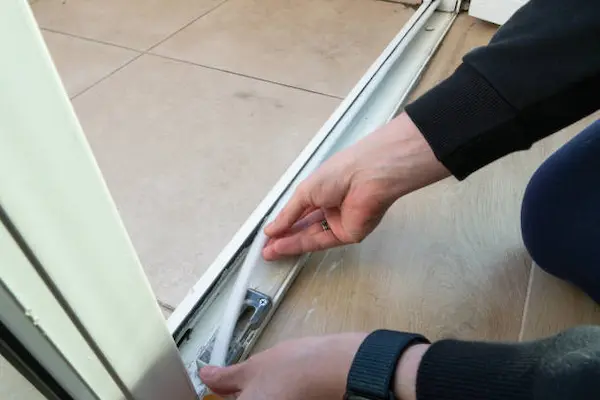
Why sliding gates experience problems
Sliding gates are complex mechanical systems composed of interconnected components such as motors, rollers, tracks, and sensors. Each part plays an essential role in ensuring smooth and reliable operation.
However, when even one component begins to fail due to dirt buildup, rust, mechanical wear, or electrical issues the entire system can be affected. In addition, external factors such as rain, dust, humidity, and temperature changes gradually accelerate deterioration.
Because of this, regular inspection and preventive maintenance are essential to avoid common sliding gate problems and ensure long-term performance.
1. Wear and tear from daily use
Every sliding gate goes through constant mechanical stress each time it opens and closes. Over time, this repetitive movement naturally wears down key components such as rollers, wheels, hinges, and the motor system.
As the wear increases, users may notice slower movement, uneven operation, or unusual noises during use. If not addressed early, this gradual deterioration can eventually lead to complete system failure.
2. Dirt, debris, and track obstruction
One of the most frequent causes of sliding gate problems is dirt accumulation in the track system. Leaves, dust, stones, or small debris can block the smooth movement of the gate.
When the track is obstructed, the motor is forced to work harder than normal, which increases wear and reduces the lifespan of the system.
3. Weather and environmental exposure
Sliding gates are constantly exposed to outdoor conditions, which makes them vulnerable to environmental damage. Rain and humidity can cause rust and corrosion, while extreme heat or cold can affect the expansion and contraction of materials.
Over time, these conditions weaken both mechanical and electrical components, leading to performance issues.
4. Electrical and motor failures
Automatic sliding gates depend heavily on their motor and electrical system. Issues such as voltage fluctuations, damaged wiring, water infiltration, or control board failure can cause the gate to stop working unexpectedly.
In many cases, these failures appear suddenly but are actually the result of gradual electrical deterioration.
5. Lack of preventive maintenance
The most common reason sliding gates develop serious problems is simply lack of maintenance. Without regular cleaning, lubrication, and inspection, small issues go unnoticed until they turn into major failures.
Preventive maintenance not only extends the lifespan of the system but also improves safety and performance. A basic routine check can prevent costly repairs and unexpected breakdowns.
You might be interested in reading: How to make an Email: The practical guide in 2026
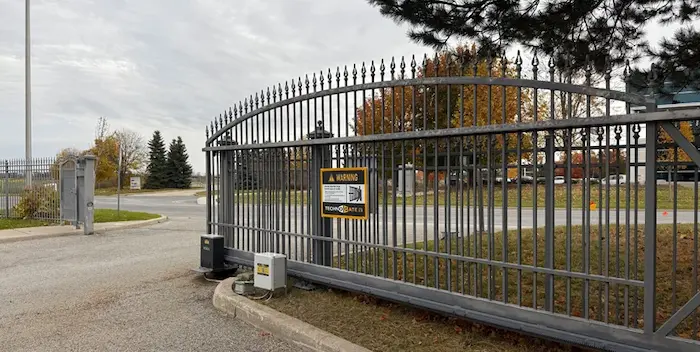
8 Most common sliding gate problems
Sliding gates are built to be durable and reliable, but over time, certain issues tend to appear more frequently than others. Understanding these common sliding gate problems not only helps you identify what’s going wrong, but also allows you to fix minor issues before they turn into costly repairs.
1. Stuck or jammed gate
One of the most common Sliding Gate Problems is when the gate becomes stuck or fails to move smoothly along its track. This usually happens due to debris such as leaves, small rocks, or dirt obstructing the track. In other cases, the gate might be misaligned or have bent tracks, preventing normal motion. To solve this, the first step is to clean the entire track thoroughly and check for any visible damage. If the problem persists, adjusting the alignment or lubricating the rollers and hinges can restore movement. Routine maintenance can prevent this issue from reoccurring and help the gate operate effortlessly.
2. Motor malfunctions
A malfunctioning motor can cause major inconvenience, as it’s responsible for powering the gate’s movement. Motors can fail for several reasons, such as overuse, lack of lubrication, or exposure to moisture. Electrical issues like damaged wiring or short circuits can also cause the motor to stop working entirely. Performing regular maintenance checks, ensuring the motor housing is protected from water, and avoiding frequent manual forcing of the gate are crucial steps to maintain performance. Choosing a motor specifically designed for your gate size and weight can also reduce the risk of future breakdowns and improve overall durability.
3. Track obstructions
Tracks are vital to the smooth operation of sliding gates, and even a small obstruction can cause serious operational issues. Dirt, gravel, or debris buildup within the track can prevent the gate from sliding properly, creating unnecessary friction and strain on the motor. Cleaning the track regularly helps to prevent blockages and ensures smoother performance. If you notice unusual noise or uneven movement, it could be a sign of a bent or damaged track. In these cases, a professional inspection may be necessary to restore correct alignment and prevent further mechanical wear.
4. Sensor malfunctions
Sensors are one of the most important safety features of any automatic gate, preventing accidents and ensuring proper operation. However, when sensors malfunction, the gate may fail to detect obstacles or refuse to open and close altogether. This issue often arises from dirty lenses, poor wiring, or misalignment. Cleaning the sensors gently with a soft cloth and ensuring they are properly positioned can usually fix the problem. If not, it may be time to replace outdated sensors with newer models that offer advanced safety functions like obstacle detection and remote monitoring.
5. Electrical or control system failures
Another frequent issue among Sliding Gate Problems is related to the electrical or control system. Remote controls, keypads, and wall switches may stop functioning due to dead batteries, faulty wiring, or internal software errors. When this happens, checking the power source is the first step, ensuring that the circuit hasn’t tripped and that there’s a stable power connection. If the gate remains unresponsive, testing the control board or replacing old remotes might be necessary. When electrical issues continue despite basic troubleshooting, it’s best to have the system inspected by experienced professionals, such as specialists in rolling gates NYC, to identify the root cause and restore safe, reliable operation. Persistent failures may require a full electrical inspection to ensure the entire system performs efficiently over the long term.
6. Motor Overheating and Thermal Shutdown
Electric gate operators generate significant heat, especially during heavy usage or hot weather. Most modern sliding gate motors come equipped with a thermal overload switch that automatically shuts the system down to prevent permanent damage. If your gate suddenly stops operating on a hot day or after repeated cycles, allow the unit to cool down for 20 to 30 minutes. If the issue recurs frequently, it usually indicates an underpowered motor struggling against a heavy or misaligned gate structure.
7. Power Failures and Manual Override Problems
During a power outage or blown fuse, an automated sliding gate becomes completely unresponsive. While all automatic systems feature a manual release key or clutch mechanism to allow hand operation, these controls often seize up if left unused for long periods. Rust, dirt, or stiff internal gears can lock the manual override switch, leaving property owners trapped inside or outside. Regularly testing and lubricating the manual release lock ensures smooth operation during unexpected power cuts.
8. Physical Gate Misalignment and Track Sagging
Ground movement, heavy vehicle impacts, or shifting fence posts can cause the sliding gate track to warp or sag over time. When the track loses its precise alignment, the gate wheels place uneven weight on the drive system, causing the motor to drag or the gate to jump off its track entirely. Correcting physical misalignment requires realigning the ground track anchors, leveling the support posts, and ensuring the guide rollers keep the gate panel perfectly vertical along its path.
You might also be interested in: Types of Business Entrances
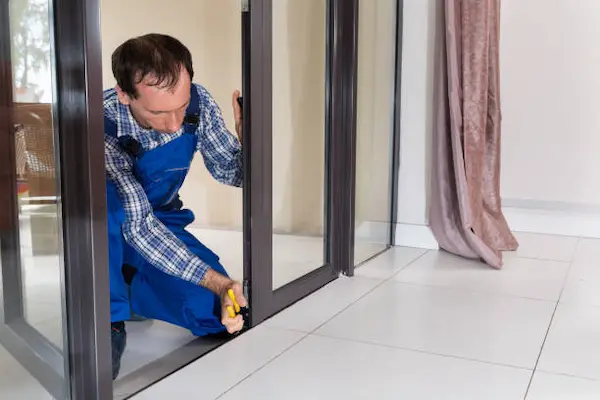
H2. How to Fix a Rolling Gate
Intro:
A rolling gate can develop different problems over time, from unusual noises and slow movement to difficulty opening or closing properly. Identifying the cause of the problem is the first step toward finding the right solution. Some issues can be resolved with basic maintenance, while others may require professional inspection or replacement of damaged components.
H3. Check the Gate Tracks and Rollers
Dirt, debris, or damaged rollers can prevent a rolling gate from moving smoothly. Inspect the tracks and rollers for obstructions, wear, or misalignment, and clean the tracks regularly to maintain proper movement.
H3. Lubricate Moving Components
If the gate makes squeaking or grinding noises, the moving components may need lubrication. Applying an appropriate lubricant to rollers, hinges, bearings, and other moving parts can reduce friction and help the gate operate more smoothly.
H3. Inspect the Gate Alignment
A rolling gate that becomes difficult to open or closes unevenly may be misaligned. Check whether the gate is sitting correctly within its tracks and look for bent or damaged components that could affect its movement.
H3. Check the Motor and Electrical Connections
For automatic rolling gates, slow or inconsistent operation can be related to the motor, power supply, wiring, or control system. Check the electrical connections and make sure the motor is receiving power. If the motor continues to malfunction, professional assistance may be necessary.
H3. Replace Damaged Rollers or Hardware
Worn rollers, springs, bearings, or other hardware can affect the performance of a rolling gate. Replacing damaged components with the correct parts can restore smoother operation and help prevent further damage.
H3. When to Call a Professional
If the gate is stuck, severely misaligned, making unusual mechanical noises, or showing signs of structural damage, avoid forcing it open or attempting complex repairs yourself. A professional technician can identify the underlying problem and determine whether repair, adjustment, or component replacement is the safest solution.
How to Identify Your Sliding Gate Issue
Troubleshooting a sliding gate starts with observing its behavior. Whether your gate is making unusual noises, moving sluggishly, or completely frozen in place, the symptoms usually point directly to an underlying mechanical or electrical cause. Use the breakdown below to pinpoint your exact issue before attempting a DIY fix or calling a technician.
1. The Gate Is Stuck or Refuses to Move
When a sliding gate won’t move at all, the issue typically stems from either a loss of power or a severe physical blockage. Start by checking your main breaker box and ensuring the manual release key hasn’t been engaged. If the electrical supply is working, inspect the bottom track. Heavy debris, stones, or a bent track rail can completely lock the rollers in place, preventing the motor from pulling the gate along its path.
2. Loud Grinding, Squeaking, or Scraping Noises
Unusual sounds during operation are a clear sign of friction and component wear. High-pitched squeaking usually indicates that the tracks and rollers lack proper lubrication or have accumulated rust. On the other hand, a heavy grinding or scraping noise points to worn-out roller bearings or misaligned internal motor gears. Ignoring these sounds can put excessive strain on the operator, leading to total motor failure over time.
3. The Gate Moves Slower Than Usual or Stalls Mid-Way
A sliding gate that moves sluggishly or stops halfway through its cycle often suffers from drag or insufficient motor power. Dirt, dried grease, and grime buildup along the track increase resistance, forcing the motor to work twice as hard. If the track is clean, the culprit is likely a degrading motor capacitor, low voltage supply, or an aging motor that can no longer handle the gate’s physical weight.
4. The Gate Closes Partially and Reverses Automatically
If your gate starts closing and immediately reverses without touching an obstacle, the safety system has been triggered. Automatic sliding gates rely on photoelectric safety sensors (photo-eyes) near the base. If these lenses become dirty, covered by cobwebs, or knocked out of alignment, the system assumes an object or person is blocking the driveway and triggers the auto-reverse safety feature for protection.
5. The Motor Runs, but the Gate Doesn’t Move
When you hear the motor humming or turning but the gate stays motionless, the mechanical link between the drive system and the gate has been disrupted. The most common cause is an engaged manual override clutch, which disconnects the motor gear to allow hand operation during power cuts. If the manual release is locked in automatic mode, inspect the drive chain, belt, or rack-and-pinion gears for stripped teeth or breakage.
6. Unresponsive Remote Control or Keypad
If pressing your remote transmitter or entering a code on the access keypad produces no response, the issue is likely radio frequency interference, power loss, or dead transmitter batteries. Check if the wall-mounted control box or key switch operates the gate manually. If the wall control works but the wireless remotes fail, try replacing the batteries, clearing obstructions near the antenna receiver, or reprogramming the remote signal.
Gate track repair for sliding gate problems
One of the most common causes of sliding gate problems is damage or obstruction in the gate track. The track is the foundation that allows the gate to slide smoothly, and even minor issues like dirt buildup, misalignment, or rust can affect the entire system. Proper gate track repair is essential to restore smooth movement, prevent motor strain, and avoid long-term damage to the gate system.
In commercial properties and event venues where large numbers of visitors are expected, maintaining reliable access systems is especially important.
Understanding how gate tracks fail and how to fix them can help property owners reduce repair costs and improve the lifespan of their sliding gates.
1. Common causes of gate track damage
Gate track problems usually occur due to constant use and exposure to outdoor conditions. Dirt, stones, and debris can accumulate inside the track, while weather elements like rain and humidity can cause rust and corrosion. Over time, these issues lead to uneven movement and sliding gate failure.
2. Signs you need gate track repair
Some of the most common indicators include the gate getting stuck, making grinding noises, or moving unevenly. If the sliding gate requires extra force to open or close, it is often a clear sign that the track is misaligned or blocked and needs immediate repair.
3. Cleaning and maintenance of gate tracks
Regular cleaning is one of the most effective ways to prevent sliding gate problems. Removing dirt, leaves, and debris from the track helps maintain smooth movement. Routine lubrication and inspection can also reduce wear and prevent costly gate track repair in the future.
4. Professional gate track repair solutions
In more severe cases, professional repair is required to realign or replace damaged sections of the gate track. Experts ensure that the sliding gate is properly balanced, aligned, and functioning safely, preventing further mechanical issues or motor strain.
Sliding door troubleshooting: Fixing a sliding gate that isn’t working
When your sliding gate suddenly stops working, it can quickly become a frustrating and inconvenient problem especially if you rely on it for daily access or security. Performing proper sliding door troubleshooting allows you to identify the root cause of the issue and, in many cases, fix it without needing immediate professional help.
By following a structured approach, you can determine whether the problem is related to power, mechanical components, or the control system.
1. Check the power supply and remote control
One of the most common reasons a sliding gate stops working is a power-related issue. If the gate doesn’t respond at all, start by checking the power source, circuit breaker, and any visible connections.
Also, don’t overlook the remote control dead batteries or signal issues can make it seem like the gate is malfunctioning when it’s not.
2. Inspect the track for obstructions
A blocked or dirty track is a frequent cause of sliding gate failure. Even small debris like stones, leaves, or dust can prevent smooth movement and cause the gate to stop or get stuck.
Carefully clean the track and remove any obstacles. This simple step often restores normal operation.
3. Test manual operation
Switching the gate to manual mode can help you quickly identify whether the issue is mechanical or electrical. If the gate moves smoothly by hand, the problem is likely related to the motor or control system.
If it’s still difficult to move, the issue may lie in the track, alignment, or structural components.
4. Check the motor and internal components
If the gate has power but still doesn’t move correctly, the motor could be the problem. Listen for unusual noises or signs that the motor is struggling.
Overheating, wear, or electrical faults can cause the motor to fail gradually. Regular inspection helps detect these issues early.
5. Inspect sensors and safety systems
Faulty or misaligned sensors can prevent the gate from opening or closing properly. If the sensors detect an obstruction even if there isn’t one the system may stop as a safety measure. Cleaning and realigning the sensors often resolves the issue.
You might also be interested in: 10 Dream destinations: best places to go on vacation for every budget?
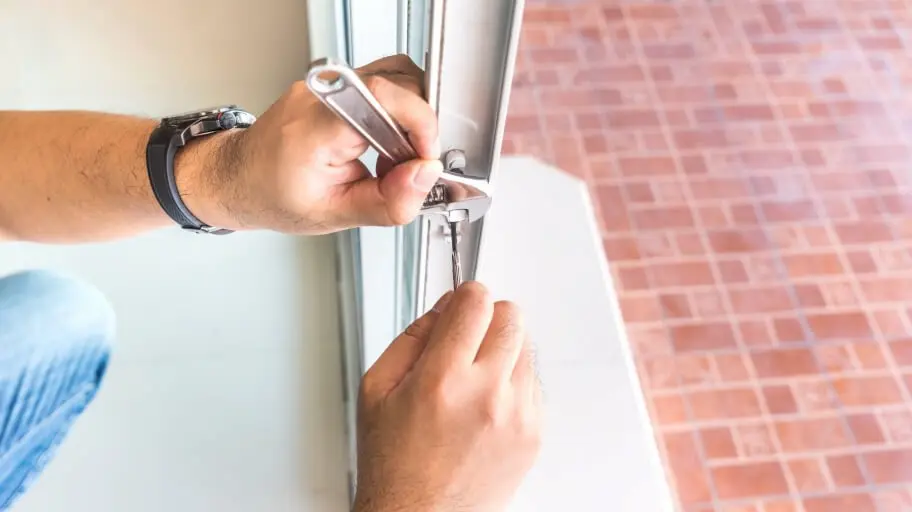
How to Inspect and Maintain Sliding Gate Tracks and Rollers
The overall smooth operation of your entrance system depends almost entirely on the condition of your sliding gate tracks and rollers. Because these components bear the full weight of the gate and are constantly exposed to weather and ground-level dirt, regular care is essential to prevent costly motor repairs or sudden breakdowns.
1. Inspecting the Tracks for Obstructions and Damage
Over time, small stones, accumulated dirt, leaves, and rust can gather inside the track groove, causing the wheels to jump or lock up. Inspect the entire length of the track at least once a month. Look for visible bends, cracks, or loose anchor bolts. A misaligned or damaged track forces the motor to exert double the effort, which drastically shortens the lifetime of your operator.
2. Checking Rollers and Bearings for Wear
Gate rollers feature internal ball bearings that allow the gate to glide effortlessly along the rail. If you notice a high-pitched squeaking, grinding sound, or if the gate wobbles while moving, the bearings inside the rollers are likely worn out or rusted. Inspect the wheels for flat spots, cracks, or excessive play, and replace damaged rollers immediately to maintain proper balance.
3. Cleaning and Lubricating Your Track and Roller Assembly
Proper maintenance keeps your sliding gate tracks and rollers running quietly and extends their operational life:
- Sweep and Flush: Use a stiff-bristle brush or a high-pressure hose to clear dirt and debris out of the track pathway.
- Avoid Heavy Grease on Tracks: Never apply thick grease directly onto the track surface, as it acts like a magnet for sand and grit, creating an abrasive paste that destroys bearings.
- Lubricate the Roller Bearings: Apply a high-quality silicone-based or lithium-based spray lubricant directly into the roller bearings and wheel axles to prevent rust and ensure smooth gliding.
Preventing future sliding gate problems
The best way to avoid frequent gate issues is through preventive care. Regular cleaning, lubrication, and inspection of the gate’s components can significantly extend its lifespan. Keep the track free from debris, check for rust or corrosion, and protect the motor from water exposure. Scheduling professional maintenance at least twice a year ensures that small problems are detected early before they turn into costly repairs. Proper upkeep not only prevents Sliding Gate Problems but also enhances safety and reliability for years to come.
1. Keep the track clean and free of debris
One of the easiest ways to prevent sliding gate problems is by keeping the track clean. Dirt, dust, leaves, and small debris can accumulate over time and interfere with smooth movement.
Make it a habit to inspect the track regularly and remove any obstructions. A clean track reduces friction, prevents strain on the motor, and helps the gate operate more efficiently.
2. Lubricate moving parts regularly
Proper lubrication is essential to keep all moving components working smoothly. Rollers, hinges, and bearings can wear down quickly if they are not properly maintained.
Using a suitable lubricant every few months helps reduce friction, minimize noise, and extend the lifespan of these components.
3. Protect the motor from water and weather
Since sliding gates are exposed to outdoor conditions, the motor can be affected by rain, humidity, and temperature changes. Water exposure is one of the main causes of motor failure.
Ensure the motor housing is properly sealed and protected. Installing a cover or checking for leaks can prevent costly repairs in the future.
4. Inspect electrical components periodically
Electrical issues often start small but can quickly escalate if ignored. Loose wiring, worn connections, or power fluctuations can affect how the gate operates.
Perform regular visual inspections and make sure all connections are secure. If something seems off, addressing it early can prevent major failures.
5. Check alignment and gate balance
A misaligned gate can create unnecessary stress on both the track and the motor. Over time, this can lead to uneven movement or mechanical damage.
Make sure the gate moves smoothly and stays aligned along the track. If you notice irregular movement, it’s best to correct it early before it worsens.
You might also be interested in: The Best Home Security Upgrades
When to call a professional
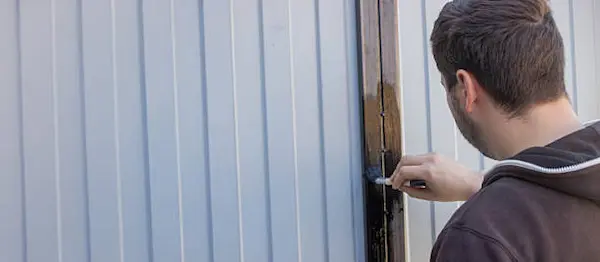
Some gate problems can be fixed with basic troubleshooting, but others require professional attention. If your gate is producing grinding noises, stops midway, or operates inconsistently, a certified technician should inspect it immediately. Electrical faults and severe mechanical damage can be dangerous to handle without the right tools and expertise. Hiring a professional ensures proper diagnosis, safe repairs, and long-term functionality, saving you both time and money.
👉 If your sliding gate isn’t working properly, it’s best to act quickly before the problem gets worse.
1. Persistent or recurring problems
If your sliding gate continues to fail even after cleaning, resetting, or basic repairs, it’s a clear sign that there is a deeper issue. Recurring problems often indicate underlying mechanical or electrical faults that require professional diagnosis.
Ignoring these signs can lead to more expensive repairs over time.
2. Unusual noises or jerky movement
Grinding noises, vibrations, or uneven movement are often signs of worn components, misalignment, or internal damage. These issues can worsen quickly if not addressed properly.
A technician can accurately identify the cause and fix it before it affects the entire system.
3. Electrical or motor failures
Electrical issues can be complex and potentially dangerous to handle without proper knowledge. If your gate is not responding, stops randomly, or shows signs of motor failure, it’s best to avoid further attempts to fix it yourself.
Professional technicians have the tools and expertise to safely diagnose and repair these problems.
4. Structural damage or misalignment
If the gate appears bent, off-track, or difficult to move even manually, the problem may be structural. These types of issues require precise adjustments and specialized tools to correct properly.
Attempting to fix structural problems without experience can make the situation worse.
5. When you need fast and reliable repairs
If your sliding gate is essential for daily access or security, delays in repair can become a serious inconvenience. In these cases, contacting a professional ensures the issue is resolved quickly and correctly the first time.
Final Thoughts: Keeping Your Sliding Gate in Top Condition
Sliding gates offer a perfect combination of convenience, security, and durability—but only when they are properly maintained. By understanding the most common sliding gate problems and applying regular maintenance practices, you can prevent unexpected breakdowns and ensure smooth, safe operation over time.
Taking a proactive approach today can save you from costly repairs in the future and extend the lifespan of your entire system.
